
The December 2025 Roundup: How Scent, Sustainability, and Smart Tech Are Reshaping Hospitality Supplies

If you want to understand where the hotel supplies industry is headed, look no further than the floor of a major trade show. This December, the 31st Guangzhou International Hotel Supplies Fair served as a powerful crystal ball. While robots whirred and new textiles were admired, the most significant shifts weren’t just in the products themselves, but in the fundamental logic of the business. The industry is pivoting from selling discrete items to providing integrated, value-driven solutions—a transformation driven by smart technology, an uncompromising push for sustainability, and a deeper infusion of culture.

  1. The Guangzhou Fair: A Microcosm of Metamorphosis

Held from December 18-20, 2025, the Guangzhou Fair remains the undisputed heartbeat of the Asia-Pacific hospitality sector. This year’s event, sprawling across 250,000 square meters with over 3,000 exhibitors, drew a record crowd exceeding 220,000 professionals. The sheer scale underscored the industry’s resilience and growth.

Beyond the numbers, the narrative was clear. The buzz was no longer solely about who had the whitest towel or the most durable dinnerware. Instead, the conversation centered on integrated systems and holistic value. One standout example was the array of smart, IoT-connected aroma diffusers that promised not just a pleasant scent, but a complete “olfactory asset management” platform for hoteliers. Another was the proliferation of “closed-loop” linen systems, where suppliers offer not just textiles, but also guaranteed take-back, professional laundering, and lifecycle tracking. This shift from product vendor to solution partner was the dominant theme echoing through the halls.

  1. The Intelligence Imperative: IoT and Data Take Center Stage

The most definitive trend of 2025 is the seamless embedding of intelligence into every corner of the hotel supplies chain.

  1. Operational Intelligence: The Rise of the Connected Back-of-House

The kitchen and service areas are becoming hubs of data-driven efficiency. Automatic stir-fry robots and autonomous delivery robots are now equipped with sensors that track usage patterns, predict maintenance needs, and even integrate with inventory management systems to alert when ingredient supplies are low. This isn’t just automation; it’s about generating actionable data that reduces downtime and optimizes labor costs.

  1. Ambient Intelligence: Curating the Guest Experience

Intelligence is moving into the ambient environment to create personalized and memorable stays. The launch of the industry’s first fourth-generation “5S” standard for scent machines represents a leap forward. These IoT-enabled devices allow for remote, zone-by-zone control of scent profiles via a central dashboard. A hotel can program a vibrant, citrus aroma for the gym in the morning, a calming lavender for the spa in the afternoon, and a subtly luxurious signature scent for the lobby in the evening. Suppliers like “Amos” are framing this not as a cost, but as a strategic investment in “olfactory branding”  that can enhance perceived value and, as claimed, reduce management costs by up to 30%.

III. The Green Blueprint: Sustainability as a Core Business Strategy

Sustainability has evolved from a marketing checkbox to a non-negotiable operational and strategic pillar, driven by both policy and potent consumer demand.

  1. The Circular Economy in Action

The linear “take-make-dispose” model is being aggressively challenged. Exhibitors prominently featured:

Closed-Loop Linen Programs: High-quality linens and towels designed for 300+ wash cycles, backed by supplier take-back programs for recycling into new products.

Plant-Based Amenities: Shampoo bottles, combs, and toothbrushes made from biodegradable materials like PLA (polylactic acid) derived from corn starch or sugarcane.

Chemical Management Systems: Advanced, concentrated cleaning solutions paired with smart dispensing systems that minimize waste, plastic packaging, and chemical runoff.

  1. Beyond “Less Bad”: Toward Regenerative Design

The leading edge of this trend is moving beyond reducing harm to creating positive impact. This includes partnerships with environmental NGOs, sourcing materials that support biodiversity, and developing products with a clear and verifiable end-of-life pathway. For procurement officers, the key metrics are shifting from just unit price to Total Cost of Ownership (TCO) and Environmental Impact Scores.

  1. The Soul of the Stay: Cultural Infusion and Experiential Design

In an era where generic design fails to inspire, authenticity is the new currency. The fair highlighted a powerful trend toward cultural storytelling through physical supplies.

  1. From Generic to Narrative-Driven

Products are becoming touch points of a local narrative. This was evident in collections featuring batik-printed pillowcases from Guizhou, ceramics glazed with traditional motifs, and amenity kits packaged in fabrics inspired by intangible cultural heritage. These items transform a standard room into a culturally immersive capsule, offering guests a unique sense of place that cannot be replicated by a global chain’s standardized decor.

  1. The “Atour Model”: Blurring Lines Between Stay and Retail

Hotel group Atour’s staggering success—with Q3 2025 retail sales (primarily of sleep systems) soaring 75.5% year-on-year to RMB 990 million—validates this experiential approach. It demonstrates that guests are willing to purchase the tangible components of a memorable experience. However, this model also sparks a crucial debate on balancing retail innovation with core hospitality service excellence, and the risks of brand dilution if product quality does not match marketing promise.

  1. Navigating the New Landscape: Strategic Takeaways for Hoteliers

For hotel owners, operators, and procurement specialists, these converging trends present both challenge and opportunity. Here is a strategic action plan:

  1. Audit for Integration.

Re-evaluate your supply chain. Are you purchasing isolated items or partnering with providers who offer smart, integrated systems? Prioritize suppliers who provide data insights, lifecycle management, and can demonstrate a clear ROI on smarter, greener products.

  1. Embed Sustainability in Your RFP.

Rewrite your procurement criteria. Include specific, measurable requirements for recycled content, biodegradability, carbon footprint, and take-back programs. Calculate TCO, not just upfront cost.

  1. Curate, Don’t Just Decorate.

Work with designers and suppliers to select items that tell your property’s unique story. Whether it’s a connection to local artisans, landscape, or history, let your supplies be a conduit for authentic guest connection.

  1. Pilot and Partner.

You don’t need to revolutionize everything at once. Start with a pilot project—implement an IoT scent system on one floor, or launch a premium, culturally-themed suite with curated amenities. Partner with innovative suppliers on these pilots to co-develop solutions.

Conclusion: The Future is Fused

The headlines from December 2025 reveal an industry at an inflection point. The future of hotel supplies lies not in any single gadget or fabric, but in the **fusion of intelligence, responsibility, and soul. The winning suppliers will be those who act as strategic partners in crafting efficient, sustainable, and deeply engaging guest experiences. For forward-thinking hoteliers, the supplies they specify are no longer mere operational necessities; they are the essential building blocks of their brand’s future identity and profitability. The message is clear: adapt to this integrated value model, or risk being left behind in a generic, commodity-driven past.

What’s your take on these trends? Is your property exploring smart systems, circular supply chains, or cultural partnerships? Share your thoughts and experiences in the comments below.
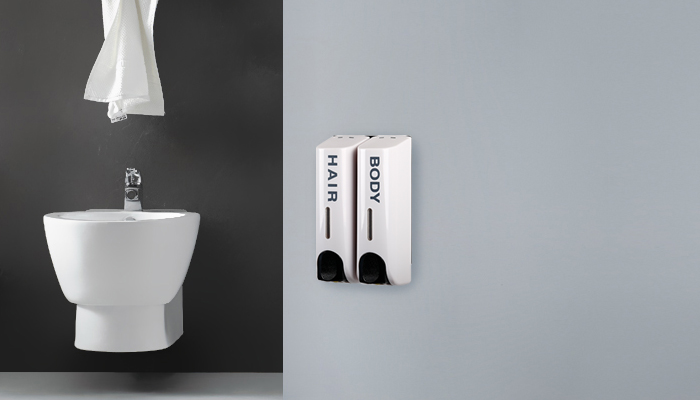
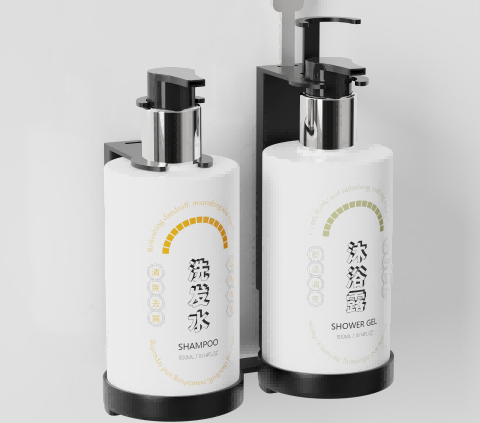
When it comes to equipping guest bathrooms, few details are as frequently overlooked yet fundamentally important as the humble soap dispenser. For hoteliers, this small fixture carries weight beyond its size—it impacts guest perception, operational costs, sustainability goals, and brand alignment. The choice between plastic and stainless steel soap dispensers is not merely aesthetic; it’s a strategic decision that speaks volumes about a hotel’s identity and priorities.

The Case for Plastic Soap Dispensers in Economy Hotels

Budget-friendly, practical, and versatile, plastic soap dispensers are the go-to choice for economy and mid-scale hotels. Here’s why they make sense in these settings.

Cost-Effectiveness and Operational Flexibility
Plastic dispensers are significantly cheaper to purchase in bulk, a crucial factor for hotels with hundreds of rooms. This upfront savings allows for easier replacement if units are damaged, lost, or worn out. For hotels operating on thin margins, minimizing capital expenditure on amenities is essential. Additionally, plastic models are lightweight, making them easier for housekeeping staff to handle, refill, and clean during tight turnaround times.

Durability and Safety Considerations
Modern plastic dispensers are often made from durable, shatter-resistant materials like ABS or polypropylene. In high-traffic environments where accidental drops are common, plastic’s resistance to breaking is a practical advantage. They also eliminate the risk of corrosion, which can be a concern in humid bathroom environments. Many economy hotels opt for wall-mounted plastic dispensers, which reduce theft and simplify cleaning—important factors in transient-heavy accommodations.

Design and Customization
While often simple, plastic dispensers come in a range of colors and finishes. Economy brands can choose neutral tones or even custom-print logos, maintaining brand consistency without the expense of metal engraving. For limited-service hotels that prioritize clean, functional spaces over luxury, plastic provides a no-fuss solution that fulfills the basic requirement: delivering soap reliably.

Environmental Trade-Offs
Critics often point to plastic’s environmental footprint. However, many hotel chains now use dispensers made from recycled plastic or commit to robust recycling programs. Large-refill formats reduce single-use plastic waste compared to individual mini-bottles—a step toward sustainability that aligns with the growing eco-consciousness of travelers across market segments.

Why Stainless Steel Reigns in Luxury Hotels

For four- and five-star hotels, the soap dispenser is not just a utility; it’s an element of design and a tactile touchpoint. Stainless steel is the material of choice here, and for good reason.

Perception of Quality and Luxury
Stainless steel conveys weight, solidity, and permanence. Its cool touch and reflective surface signal cleanliness and sophistication. In luxury hospitality, every detail contributes to a narrative of exclusivity and attention to quality. A stainless steel dispenser feels substantial in the hand, reinforcing the guest’s sense of being in a carefully curated environment. It aligns visually with other bathroom fixtures—towel rails, faucets, showerheads—often made of matching metallic finishes.

Durability and Long-Term Value
Although stainless steel requires a higher initial investment, its lifespan typically far exceeds that of plastic. High-grade stainless steel (such as 304-grade) resists rust, tarnish, and corrosion, even in steamy bathroom conditions. For luxury properties planning decades of operation, this longevity justifies the upfront cost. The material is also exceptionally easy to keep spotless—a quick wipe removes fingerprints and water spots, maintaining the pristine appearance expected in upscale settings.

Brand Alignment and Customization
Luxury hotels often commission custom-designed stainless steel dispensers, sometimes integrated into marble countertops or vanity units. Logos can be elegantly engraved or embossed, enhancing brand prestige without appearing overtly commercial. The ability to tailor the design allows these hotels to create a unique, cohesive aesthetic—whether minimalist, vintage, or ultra-modern.

Sustainability from a Long-Term Lens
While production of stainless steel is energy-intensive, its durability and recyclability offer long-term environmental benefits. A well-made stainless steel dispenser might last the lifetime of the hotel, eliminating repeated manufacturing and disposal cycles. Many luxury brands also use them with premium, responsibly sourced bulk soaps and lotions, reducing packaging waste and appealing to eco-aware affluent travelers.

Bridging Practicality and Perception

The divide between plastic and stainless steel is not just about cost; it reflects differing operational philosophies. Economy hotels prioritize efficiency, scalability, and functional reliability. Their guests expect cleanliness and convenience, not necessarily heirloom-quality fixtures. Plastic serves these needs effectively while keeping rates affordable.

Luxury hotels, conversely, are selling an experience. Every element must contribute to a sense of occasion and refinement. Guests paying a premium notice details—the weight of a door handle, the thickness of a towel, the solidity of a soap dispenser. Stainless steel meets these elevated expectations, supporting the brand’s promise of exceptional quality.

Emerging Trends and Hybrid Solutions

The hospitality industry is evolving, and so are amenity solutions. Some boutique and lifestyle hotels are experimenting with materials like ceramic, tempered glass, or even sustainably sourced bamboo to differentiate themselves. Meanwhile, technology is adding smart features—digital counters for refill timing, antimicrobial surfaces, and touchless operation—which are becoming expected in a post-pandemic world.

Additionally, the rise of “eco-luxury” has spurred interest in high-design dispensers made from recycled materials. Brands like Method and sustainable hotel groups are partnering to create dispensers that are both aesthetically pleasing and environmentally progressive.

Conclusion: The Right Dispenser for the Right Experience

Ultimately, the choice between plastic and stainless steel soap dispensers hinges on a hotel’s understanding of its guests and its own brand essence. Economy hotels make a smart, pragmatic choice with plastic—optimizing costs and functionality. Luxury hotels invest in stainless steel to elevate the guest experience and reinforce their premium positioning.

In both cases, the humble soap dispenser proves to be more than a container; it’s a silent communicator of values, a workhorse of daily operations, and a tiny but telling piece of the hospitality puzzle. By selecting the appropriate material, hotels ensure that even the smallest details align with their larger story—one hand wash at a time.

The Unsung Hero of Modern Travel: A Deep Dive into What Your Hotel’s Soap Dispenser Reveals About the New Era of Global Tourism

Welcome, discerning travelers and industry watchers. As we navigate the complex landscape of post-pandemic international travel, it’s clear that the industry isn’t just recovering; it’s undergoing a fundamental metamorphosis. The traveler of today is a new breed—more health-conscious, environmentally aware, digitally savvy, and value-driven than any generation before.

We track these shifts through macro-trends: the explosive growth of “bleisure” (business + leisure) trips, the thirst for hyper-local and authentic experiences, and the demand for flexible cancellation policies. Yet, to truly understand the depth of this transformation, we must sometimes look at the smallest, most mundane details of the guest experience. Often, it is these micro-elements that carry the most significant symbolic weight.

And so, we turn our attention to an object so commonplace it has become almost invisible: the hotel bathroom soap dispenser.

The journey from the individually wrapped, miniature soap bar and single-use shampoo bottle to the fixed, refillable, wall-mounted dispenser is more than a simple operational switch. It is a profound narrative, a silent communication strategy, and a powerful symbol of the four dominant forces reshaping the global hospitality industry. This is not just a story about soap; it’s a story about safety, sustainability, smart economics, and the very meaning of modern luxury.

  1. The Hygiene Revolution: From “Clean” to “Certifiably Safe”

The most immediate and visceral change in travel psychology has been the hyper-focus on cleanliness and hygiene. A hotel’s cleanliness was always a factor; now, it is the non-negotiable entry ticket. The World Travel & Tourism Council’s “Safe Travels” stamp became a coveted badge, signifying a new standard of operational protocol. This shift has permanently altered guest expectations and the sensory cues they look for.

The Psychology of the Miniature Bar: Let’s deconstruct the traditional miniature soap bar. It was, in its heyday, a symbol of convenience and personal care. However, through the lens of a post-2020 traveler, its meaning has flipped. An unwrapped bar on the sink can trigger questions: *Who else has touched this? Was the room truly deep-cleaned, or just superficially tidied?* The very tangibility of a shared, solid object in a wet environment now subconsciously signals a potential vector for germs. The individually wrapped bar is slightly better but generates visible waste, and the act of unwrapping it breaks the seamless, “sanitized” experience many now crave.

The Dispenser as a “Safe Zone”: Enter the wall-mounted, refillable dispenser. This object is a masterpiece of modern hygiene signaling. Its design is often sleek, minimalist, and touch-friendly. More importantly, its mechanism is perceived as sealed and professionally managed. The guest isn’t interacting with a product that could have been tampered with by the previous occupant; they are accessing a centralized, clean source. The liquid soap itself—often clear, branded, and of a specific scent—further reinforces the message of controlled, high-quality hygiene. It’s a touch-point that says, “We have eliminated unnecessary points of contact and potential contamination. Your safety is our system, and this dispenser is part of that engineered solution.”

This aligns perfectly with the “contactless” trend, extending from mobile check-ins to digital keys. The dispenser is part of a suite of features that minimize physical interaction, providing peace of mind that has become a valuable new currency in travel.

  1. The Sustainability Imperative: Beyond Greenwashing to Genuine Action

The modern traveler is increasingly an eco-conscious citizen. The phenomenon of “flygskam” (flight shame) and a growing awareness of the climate crisis have pushed sustainability from a niche interest to a mainstream demand. Travelers are actively seeking ways to offset their environmental footprint, and they expect the businesses they patronize to do the same. The war on single-use plastics is a pivotal front in this battle.

The Environmental Cost of “Miniature Luxury”: The math is staggering. A 500-room hotel using miniature bottles can go through hundreds of thousands of them annually. These tiny plastic containers, often only half-used, contribute massively to landfill waste and ocean pollution. They are a highly visible symbol of the throwaway culture that the conscious traveler is now rejecting. For hotels, this created a dual problem: escalating costs for these procured items and growing guest criticism, often vocalized on social media and review platforms.

The Dispenser as a Circular Economy Statement: The shift to bulk dispensers is one of the most effective and visible sustainability initiatives a hotel can undertake. By installing a high-quality system, a hotel can reduce its plastic waste from bathroom amenities by up to 80-90% annually. This is a tangible, measurable outcome that resonates powerfully with a key demographic, particularly Millennials and Gen Z.

But the sustainability story goes deeper than just the package. Forward-thinking hotels are partnering with amenity brands that practice ethical sourcing, use organic or natural ingredients, and employ closed-loop manufacturing processes. The dispenser itself becomes the vessel for a broader ethical statement. It tells a story: “We are not just reducing waste; we are thoughtfully considering our entire supply chain. Your choice to stay with us is a choice to support a more responsible model of tourism.” This transforms a routine action like washing hands into a small, participatory act of environmental stewardship, enhancing the guest’s sense of purpose and alignment with the brand’s values.

  1. The Redefinition of Luxury: From Opulence to Conscious Curation

The very definition of luxury in hospitality has been radically rewritten. The old paradigm of marble floors, gold fixtures, and an abundance of “free” disposable items is giving way to a new ethos. Contemporary luxury is about authenticity, well-being, personalized experiences, and intelligent, purposeful design. It is less about having more and more about experiencing better.

The Miniature Bottle: A Symbol of Outdated Opulence: In the 1980s and ’90s, those tiny bottles from prestigious brands like Hermès or Bvlgari were a powerful status symbol. They were tangible takeaways, proof of an expensive night’s stay. Today, to a growing number of travelers, they can signal the opposite: a brand stuck in the past, oblivious to its environmental impact, and prioritizing a superficial show of wealth over substantive quality.

The Dispenser as a Design-Led, Conscious Choice: A well-executed dispenser system is the antithesis of that outdated model. It represents a “quieter” form of luxury. The luxury of thoughtfulness. The luxury of a clutter-free, serene bathroom environment. The luxury of a product that is so high-quality you are encouraged to use it generously, not hoard it as a souvenir.

The design of the dispenser itself is crucial. Cheap, flimsy, industrial-looking units can feel institutional and undermine the luxury message. However, hotels that invest in custom-designed, beautifully crafted dispensers—made from materials like ceramic, brushed metal, or reclaimed wood—elevate the entire experience. They signal that every detail has been considered, that the aesthetic is cohesive, and that the brand’s commitment to quality is unwavering. The amenity inside is no longer a branded afterthought but a curated element of the hotel’s identity, whether it’s a locally made, bespoke scent or a scientifically formulated, vegan-friendly product. This is the new luxury: seamless, sustainable, and deeply personal.

  1. The Economic and Operational Engine: Efficiency and Brand Loyalty

Beneath the surface-level narratives of safety and sustainability lies a powerful economic engine. The decision to adopt dispensers is, undeniably, a smart financial one, but its benefits extend far beyond simple cost-cutting.

The Real Cost of “Free”: While miniature bottles appear to be a standard operating expense, their true cost is multifaceted. There’s the direct procurement cost, which is high per unit. Then there’s the labor cost: housekeeping staff spend a significant amount of time counting, stocking, and disposing of these bottles. There’s the storage cost, the waste management cost, and the opportunity cost of staff time that could be redirected to more value-added tasks, such as deeper cleaning or guest interaction.

The Dispenser as an Operational Powerhouse: A bulk amenity system streamlines all of this. While the initial investment in hardware is higher, the long-term savings are substantial. Purchasing soap and shampoo in large, sealed containers drastically reduces the cost per milliliter. It simplifies the supply chain, reduces storage space needs, and significantly speeds up the housekeeping process. A staff member can quickly check and refill a dispenser in seconds, a task far more efficient than unwrapping and placing new miniatures.

Furthermore, this operational efficiency directly impacts the guest experience. A more streamlined cleaning process can lead to more consistent room readiness and potentially even earlier check-in times. It also reduces the risk of “out-of-stock” situations, ensuring every guest has the same quality experience. From a branding perspective, it fosters loyalty. A guest who chooses a hotel specifically for its sustainability practices is more likely to return and become a brand advocate. In this light, the soap dispenser transforms from a cost center into a strategic tool for driving efficiency, enhancing guest satisfaction, and building long-term brand equity.

Conclusion: The Soap Dispenser as a Microcosm of Macro Trends

The humble soap dispenser, therefore, is anything but trivial. It is a concentrated point where the most significant trends in global tourism converge. It is a health artifact, embodying the new standards of safety and hygiene. It is a sustainability pledge, reflecting the industry’s and the traveler’s growing environmental accountability. It is a design statement, signaling the shift towards a more conscious, curated, and authentic form of luxury. And finally, it is an economic lever, driving operational efficiency and fostering a new kind of value-based brand loyalty.

The next time you check into a hotel—be it a boutique eco-lodge or a major international chain—pause for a moment when you enter the bathroom. Look at that dispenser. Its presence, its design, its content, and its functionality are all communicating with you. They are telling you a story about the hotel’s values, its understanding of the modern world, and its commitment to your experience as a 21st-century traveler.


It turns out that the pulse of the global travel industry’s recovery and evolution isn’t found only in corporate reports or tourism statistics. Sometimes, the most insightful analysis is reflected back at you from a simple, silent, and profoundly significant object on the bathroom wall.

What are your thoughts? Has the presence of a dispenser ever positively or negatively influenced your perception of a hotel? Do you see it as a mark of sustainability or a reduction in service? Join the conversation in the comments below.