The Rise of Wellness Hotels: When Accommodation Becomes Healing

A New Priority for Modern Travelers

According to the “China Health Tourism Development Report,” over 70% of urban white-collar workers now prioritize physical and mental well-being when choosing travel destinations. They willingly pay 30%-50% more for high-quality healing experiences compared to standard hotels. Wellness hotels have seized upon this consumer trend. They are evolving from traditional “accommodation providers” into “physical and mental restoration sanctuaries.”
The Shift from Sightseeing to Healing

When fast-paced urban life brings overwhelming stress and fatigue, “health anxiety” becomes a collective pain point for modern society. People’s pursuit of healthy lifestyles grows increasingly urgent.

The meaning of travel has quietly shifted. It has moved from “sightseeing check-ins” to “physical and mental healing.” Wellness tourism—an emerging travel format integrating health preservation with leisure vacation—is breaking through niche circles. It is becoming a new essential in the cultural tourism consumption market.

Hotels serve as core carriers within the tourism industry chain. Through their deep integration with wellness tourism, they are undergoing a profound transformation. They are unlocking a new lifestyle where “staying means healing.”
https://www.chinasoapdispenser.com/wp-admin/post.php?post=4901&action=edit

The Traditional Hotel Industry’s Predicament

The traditional hotel industry finds itself in a predicament. In 2024, the total number of hotel rooms in China exceeded 23 million. Yet average occupancy rates decreased by 3.2% year-on-year. Revenue per available room declined for six consecutive quarters.

The rise of healing-oriented accommodations fundamentally represents a value reconstruction within the hotel industry. It shifts from providing standardized lodging services to delivering personalized “physical and mental health solutions.”
Impressive Market Growth

Market enthusiasm and data confirm the enormous development potential of wellness hotels. According to industry estimates, China’s wellness hotel market reached approximately 110 billion yuan in 2024.

With residents’ continuously improving health awareness, ongoing consumption upgrades, and rapid expansion of the wellness tourism market, this figure continues to climb steadily. Projections suggest the market size will exceed 280 billion yuan by 2030. This would achieve a compound annual growth rate of 18.5%.

This growth rate far surpasses the traditional hotel industry average. It reflects contemporary society’s strong demand for integrated “health + vacation” experiences. Wellness hotels are gradually evolving from an industry “blue ocean” into the core growth pole of the cultural tourism and wellness industry. They are attracting attention from both capital and markets.
What Makes Wellness Tourism Different

Unlike traditional tourism focused on “viewing scenery,” wellness tourism centers on “nourishing body and mind, restoring health.” It pursues immersive experiences that allow people to “slow down and rejuvenate.”

Wellness hotels serve as the core carriers of this experience revolution. They transcend the simplistic logic of traditional hotels that “only provide accommodation.” Instead, they deeply integrate lodging services with diverse elements such as health management, wellness leisure, and professional healing.

By breaking the boundaries between “tourism” and “health preservation,” they enable travelers to complete health maintenance during their journey. Guests achieve physical and mental revitalization while comfortably lodged. This truly creates an ideal healing space that is “livable, recuperative, and relaxing.” It has become an indispensable component of wellness tourism.
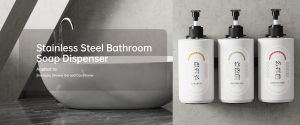
Creating the Ideal Healing Space: The Leekong Soap Dispenser Integration

Walking into a premium wellness hotel, you’ll notice that every detail has been thoughtfully designed. Each element serves the guest’s healing journey.

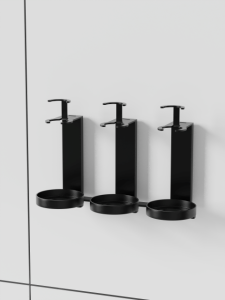
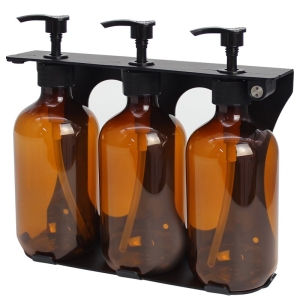
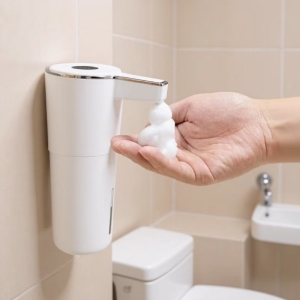
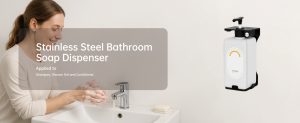
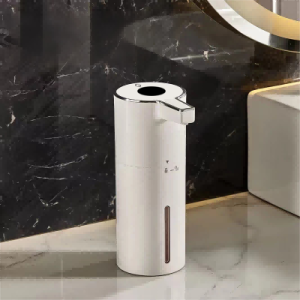
This commitment to holistic wellness extends even to the most intimate moments of daily routine. The Leekong soap dispenser, with its sleek minimalist design and precision-engineered mechanism, transforms the simple act of handwashing into a mindful ritual.

Its touch-free operation promotes hygiene while eliminating unnecessary physical contact. Guests can remain in their state of relaxation without disruption. The adjustable foam settings create the perfect consistency of soap—neither too watery nor too thick. A mundane task becomes a sensorial experience that aligns perfectly with the hotel’s philosophy of “finding wellness in every moment.”

Science-Based Wellness Services

What differentiated wellness services can a quality wellness hotel provide? How can they make “vacation equals wellness” a reality?

Unlike traditional hotels that simply add wellness facilities, professional wellness hotels center on “science, precision, and personalization.” Leveraging advanced health management equipment and professional service teams, they construct comprehensive health service systems. These systems cover the entire cycle of “detection—intervention—rehabilitation—regulation.” They precisely match the health needs of different populations.

Health Testing and Physical Intervention

In terms of health testing and physical intervention, wellness hotels introduce professional health management equipment. They provide guests with comprehensive health screening and targeted interventions.

Full-body health risk assessment serves as the core foundational service. It rapidly completes whole-body health testing. It accurately evaluates key indicators of various tissues and organs. It captures potential health risks early. And it provides scientific evidence for personalized wellness programs.

For identified health issues, complementary functional medicine physical intervention services help the body quickly adapt to environmental changes. These achieve non-invasive, safe health regulation.
Specialized Services for Different Needs

Addressing the specific needs of different populations, wellness hotels can create specialized wellness services.

For individuals troubled by memory decline and reduced cognitive abilities, cognitive dysfunction screening and memory impairment training services are available. Through professional assessment tools, cognitive dysfunction risks are precisely identified. Scientific training methods help improve memory and enhance cognitive function. These services particularly suit middle-aged and elderly groups, plus urban populations under long-term high pressure and significant mental exertion.

Simultaneously, for issues like poor blood circulation and red blood cell aggregation, specialized testing and rehabilitation services strengthen cardiovascular health defenses.

Sleep: The Cornerstone of Health

Sleep, as the “cornerstone” of health, represents another key service area for wellness hotels. Facing widespread modern problems—difficulty falling asleep, light sleep, and excessive dreaming—wellness hotels introduce functional medicine sleep intervention services. These help guests improve sleep quality and break free from sleep troubles.

Quality sleep, combined with scientific dietary regulation and leisure relaxation, ensures that during their stay, guests not only alleviate travel fatigue but also achieve deep physical and mental restoration. This truly realizes the dual effects of “body nourishment + mind cultivation.”
A New Lifestyle Emerges

Today, the integration of wellness tourism and hotels has transcended the superficial combination of “accommodation + wellness.” It has become an expression of an entirely new lifestyle.

When guests step into a wellness hotel, they experience not only a comfortable lodging environment but also a “health-centered” life philosophy. Here, vacation is no longer a brief escape but an immersive health “recharge.” Accommodation is no longer simple rest but a professional physical and mental healing journey.

The Future of Wellness Hotels

As market demand continues to escalate, wellness hotels are progressing toward greater specialization. They pursue finer segmentation and increased personalization.

They continuously integrate quality health resources. They upgrade service systems. They innovate experience models. All this achieves deep symbiosis between “wellness” and “accommodation.”

When wellness tourism meets hotels, it not only injects new vitality into the tourism industry. It also provides modern individuals with a novel choice that balances leisure with health. Every journey transforms into a practice of pursuing wellness and well-being. Healthy living becomes accessible during every stay.
https://www.facebook.com/share/v/1As7UkRuaz/

The Ultimate Guide to Sourcing & Selling Soap Dispensers in 2026: Trends, Materials, and Post-Holiday Strategies

Back to work after Chinese New Year? Discover how to choose the right soap dispensers for hotels, homes, and businesses. Explore 2026 trends in materials, touch-free technology, and refillable systems.

Introduction: A Fresh Start for a Clean Industry

It’s officially one week since we wrapped up the Chinese New Year holiday. The red envelopes have been put away, the firecrackers have faded into memory, and here at Leekong, our production lines are running at full capacity again.

This first week back is always a telling one. It sets the tone for the year ahead. We’ve been busy catching up on orders, checking inventory, and—most importantly—listening to what our clients around the world are asking for.

One thing is clear: the humble soap dispenser is having a moment.

No longer just a functional necessity, it has become a statement piece in interior design, a frontline defender in hygiene protocols, and a crucial touchpoint for branding in hotels and restaurants.

Whether you’re a hotel procurement manager stocking up for the season, a retail buyer looking for the next best-seller, or a homeowner wanting to upgrade your space, this guide will walk you through everything you need to know about sourcing and selling soap dispensers in 2026.

Part 1: Understanding the 2026 Market Landscape

The Post-Holiday Supply Chain Reality

As we mentioned in our welcome-back emails, the week following a major holiday like Chinese New Year is a critical window. Factories are ramping up, but so is demand. If you’re planning a large order—whether for custom-branded bottles or bulk commercial units—now is the time to act.

Why?

– Raw Material Availability: Suppliers of plastic resins, glass, and stainless steel are also just getting back to full speed.

– Production Slot Booking: The first quarter of the year often sees a rush of orders. Securing your production slot early ensures you’re not caught in the summer shipping delays.

The Shift Toward “Hygiene-Conscious” Design

Globally, consumers and businesses are more aware of cross-contamination than ever before. This has permanently shifted the design priorities for soap dispensers.

– In Commercial Settings: Touch-free is no longer a luxury; it’s an expectation. Office buildings, airports, and high-end restaurants are moving away from manual pumps to sensor-based systems to reduce the spread of germs.

– In Homes: While manual pumps are still dominant, there’s a growing niche for automatic dispensers in kitchens, especially for handling raw meat and needing to wash hands without touching a dirty pump.

Part 2: Deep Dive into Materials & Durability

Choosing a soap dispenser isn’t just about looks. The material determines its lifespan, its feel, and its price point. Here’s a detailed breakdown:

  1. The Pump: The Heart of the Dispenser

The pump mechanism is the most common failure point. A cheap pump ruins the entire user experience.

– Plastic Springs & Valves: Common in very low-cost units. They are lightweight and cheap but prone to corrosion from liquid soap and fatigue after a few hundred uses. If you’re sourcing for a high-traffic area, avoid these.

– Stainless Steel Springs: The industry standard for mid-to-high range dispensers. Resists rust and maintains tension over thousands of presses.

– All-Metal Exterior Pumps: This is where you see the “luxury feel.” A pump with a zinc alloy or brass body, finished in chrome or matte black, feels solid and weighty. It tells the user “this is quality.” For boutique hotels and luxury retail, this is a must.

  1. The Bottle: Form Meets Function

– Plastic (PET/ABS/HDPE):

– Pros: Lightweight, shatterproof, cheap for shipping.

– Cons: Can feel cheap, may become cloudy over time with certain chemicals.

– Best For: Budget hotels, gyms, promotional giveaways, and travel sizes.

– Glass (Clear/Frosted/Colored):

– Pros: Premium feel, heavy, doesn’t interact with the soap (no chemical taste), highly recyclable.

– Cons: Heavy (higher shipping cost), breakable.

– Best For: High-end home decor, boutique hotels, Airbnb hosts, luxury spas.

– 2026 Trend: Frosted glass with custom labeling is exploding. It hides water spots and gives a spa-like aesthetic.

– Ceramic:

– Pros: Extremely decorative, heavy, holds temperature (cool to the touch).

– Cons: Very heavy, fragile, expensive to mold into unique shapes.

– Best For: High-end retail, decorative home accents, rustic or artisanal-themed hotels.

Part 3: 2026 Color & Design Trends

As we analyze the orders and inquiries coming in this first week back, here’s what’s trending for the year:

The Rise of “Quiet Luxury”

Forget flashy gold and overly ornate designs. The trend is toward clean lines and muted tones.

– Matte Black: Still dominating the market. It doesn’t show fingerprints as badly as chrome and looks incredibly modern in both kitchen and bathroom settings.

– Brushed Nickel & Champagne Gold: A softer alternative to polished gold. It adds warmth without being too flashy.

– Earth Tones: Terracotta, olive green, and warm beige. These colors are being paired with ceramic bottles to create a natural, grounded look in home decor.

– Transparent Amber/Cobalt Blue:** Clear glass is classic, but colored transparent glass is becoming a favorite for kitchen dispensers. It protects the soap from light degradation (if using natural soaps) and adds a pop of color.

Texture is Key

Smooth surfaces are standard, but textured finishes are gaining ground.

– Ribbed Glass: Adds grip and visual interest.

– Matte Finish Ceramic: Soft to the touch, reduces glare.

– Leather Accents: Some high-end dispensers are incorporating leather straps or bases for a unique, handcrafted look.

Part 4: Touch-Free Technology: The Technical Specs You Need to Know

If you’re considering adding automatic soap dispensers to your lineup, whether for commercial or retail, here’s what separates a good sensor dispenser from a frustrating one.

  1. Sensor Response Time

A slow sensor leads to double-dipping or user frustration. Look for dispensers with an infrared sensor response time of less than 0.25 seconds. The dispense should feel instantaneous.

  1. IP Rating (Water Resistance)

In a wet bathroom environment, electronics need protection.

– IPX4: Splash-proof. Minimum standard for a bathroom dispenser.

– IPX6 or Higher: Can withstand powerful water jets. Good for commercial settings where the unit might get hosed down during cleaning.

  1. Adjustable Dispense Amount

Different soaps have different viscosities (thin liquid soap vs. thick foam). A quality automatic dispenser should allow you to adjust the amount of soap dispensed per cycle, usually via a dial inside the battery compartment. This prevents waste and ensures users get enough soap.

  1. Battery Life vs. USB Rechargeable

– Battery-Powered: Standard, easy to replace. Look for units that use standard AA or AAA batteries.

– USB Rechargeable: The newer trend. A built-in lithium battery that can be charged via USB-C. This is more environmentally friendly (no disposable batteries) and is a strong selling point for eco-conscious consumers.

Part 5: Sustainability & Refillable Systems

The conversation around plastic waste is only getting louder. As a supplier or retailer, offering sustainable options is no longer optional.

The “Refillable” Movement

Instead of throwing away a bottle every time it’s empty, consumers want to keep the beautiful dispenser and just refill it.

– Wide Mouth Openings: If you’re designing a private label dispenser, make sure the mouth is wide enough to easily refill without a funnel. A 1.5-inch to 2-inch opening is ideal.

– Durable Construction: The bottle must be sturdy enough to withstand repeated handling. A thin glass bottle that feels fragile will not inspire confidence for long-term use.

Sourcing Eco-Friendly Materials

– Recycled Glass: Using cullet (recycled glass) in manufacturing reduces energy consumption. It’s a great story to tell your customers.

– Bamboo: Bamboo tops and bases are becoming popular as a renewable resource alternative to plastic. They bring a natural, warm element to the bathroom.

– Biodegradable Packaging: Don’t forget the outer box! Using recycled cardboard for your product packaging aligns with the values of the end consumer.

Part 6: Marketing Tips for Your Soap Dispensers

Once you have the perfect product, how do you sell it?

For B2B Sellers (Hotels, Restaurants, Offices):

– Focus on Total Cost of Ownership (TCO): A cheap dispenser that breaks in 3 months costs more in maintenance and guest frustration than a quality one that lasts 3 years.

– Offer Customization: Can you laser-engrave the hotel logo on the bottle? Can you match the pump finish to the hotel’s faucets? This is a huge value-add.

– Highlight Hygiene Compliance: If selling touch-free units, provide data on how they reduce bacterial cross-contamination compared to manual pumps.

For B2C/Retail Sellers:

– Create “Sets”: Bundle a soap dispenser with a matching toothbrush holder, lotion pump, and tissue box cover. This increases average order value.

– Leverage User-Generated Content (UGC): Encourage customers to post photos of your dispensers in their beautiful kitchens and bathrooms. Repost this content on your social media.

– Tell the Material Story: Don’t just say “glass bottle.” Say “This is made from thick, premium frosted glass with a corrosion-resistant stainless steel pump, ensuring it looks beautiful on your countertop for years.”

Conclusion: Your Partner for 2026

As we settle into this productive new year, our mission remains the same: to provide you with high-quality soap dispensers that elevate your brand and delight your customers.

The holiday is over, the workshops are running, and we are ready for you.

Whether you need:

– Bulk stock for an upcoming hotel opening,

– Custom samples for a new product line, or

– Guidance on which materials suit your target market best,

We are just an email away.

Let’s make this year the cleanest, most stylish one yet.

Wishing you a fantastic Friday and a prosperous year ahead!


Rita

Sales Manager

China Leekong Bathroom Supplies Co., Limited

www.Chinasoapdispenser.com

sales@leekong.cn

Just a few weeks ago, the outlook for the year was vibrant with possibility. Our marketing calendar was set, samples were packed, and flights were booked. We were looking forward to reconnecting with partners and showcasing our latest range of luxury hotel soap dispensers at a major trade exhibition in the Middle East.

Today, those plans sit in a folder marked “Postponed Indefinitely.” The reason isn’t a logistical hiccup or a budget cut. It is a geopolitical earthquake that has sent shockwaves through the global economy, directly impacting our seemingly stable corner of the hospitality supply industry.

The hypothetical—yet terrifyingly plausible—scenario began with a single, world-altering event: the death of Iran’s Supreme Leader, Ayatollah Ali Khamenei. In the volatile landscape of the Middle East, this was the spark that ignited the powder keg. Accusations flew, longstanding tensions with the West, particularly the United States, boiled over, and within days, a full-scale military conflict engulfed the region.

For most people, the immediate images were of airstrikes, political summits, and humanitarian concerns. But for those of us in global trade, the second, equally devastating blow landed in the narrowest of waterways: The Strait of Hormuz.

In a strategic move to cripple the global economy and leverage international pressure, Iran made good on decades of threats and effectively blocked the strait. As the choke point through which roughly a fifth of the world’s total oil consumption passes, its closure acted like a tourniquet on the heart of global energy supply. The result was instantaneous and brutal: global oil prices didn’t just spike; they skyrocketed.

This is the point where the macro world of international conflict collided with the micro world of our business—the manufacturing and distribution of hotel soap dispensers.

The Logistics of Lubrication

At first glance, a plastic soap dispenser seems a world away from a barrel of crude oil. But a closer look at our supply chain reveals a deep, uncomfortable dependency.

First, there is the obvious connection: raw materials. The vast majority of our dispensers are manufactured using ABS plastic, polypropylene, and other petroleum-based polymers. When the price of a barrel of oil triples overnight, the cost of plastic resin follows suit almost immediately. Our manufacturing partners in Asia, who were already operating on thin margins, were forced to issue emergency price increases. Quotes that were valid just a month ago became worthless pieces of paper. The cost of producing a simple wall-mounted dispenser suddenly increased by 40-60%, a margin that cannot simply be absorbed.

Second, and perhaps more critically, is transportation. Our business model relies on moving thousands of cubic meters of finished goods across oceans. The shipping industry, already grappling with its own set of post-pandemic challenges, was devastated by the fuel price surge. Container ships, which run on some of the dirtiest and cheapest fuels, saw their operating expenses explode. Ocean carriers immediately announced a slew of “emergency bunker surcharges,” adding thousands of dollars to the cost of moving a single container. The affordable, predictable shipping routes we relied on vanished, replaced by chaos and exorbitant costs.

The Hotel Industry on Ice

However, the problem isn’t just on the supply side; demand has collapsed just as dramatically.

The blockade of the Strait of Hormuz and the ensuing war didn’t just make things expensive; it made the entire region uninhabitable for business. Our target market—the vibrant hospitality sectors of Dubai, Doha, Riyadh, and beyond—ground to a halt.

  • Travel Bans and Insurance: Corporations worldwide immediately imposed travel bans. Business travel, the lifeblood of many city hotels, evaporated. Leisure travelers, spooked by the proximity of conflict and the sheer cost of getting there, cancelled their holidays. Insurance policies for events in the region became either unobtainable or prohibitively expensive.

  • Operational Costs: For the hotels that remained open, their operational costs went into orbit. Air conditioning in the desert, desalination plants for water, and kitchen operations all depend on energy. With oil at record highs, their utility bills became unsustainable.

  • Project Freezes: Most critically for us, hotel development and renovation projects were immediately frozen. The magnificent new builds and refurbishments we were hoping to supply were suddenly deemed non-essential capital expenditures. Why would an investor pour millions into a new hotel in a region that is now a war zone, with a supply chain in tatters and no guarantee of guests?

This brings us back to our cancelled trade show. That exhibition was more than just a booth and a handshake. It was the focal point of our sales pipeline. It was where we would solidify deals with procurement managers, meet with architects specifying our products for new builds, and gauge the market’s reaction to our designs. Without it, our connection to that market has been severed. Our distributors there are fighting for their own survival, not thinking about upgrading their bathroom amenities.

The Long-Term Shift for Amenities

So, what does this mean for the humble hotel soap dispenser? It forces a profound shift in value proposition.

In stable times, we sell on design, sustainability (reducing those little plastic bottles), and guest experience. In a time of crisis, the conversation changes to something much more basic: cost efficiency and resilience.

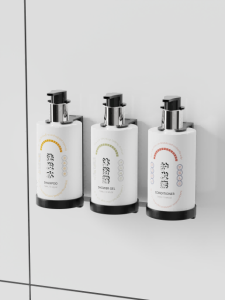
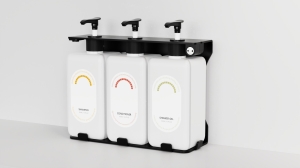
  1. The Refill Economy: The value of bulk dispensers becomes even more apparent. When every cost is under the microscope, hotels will look for any way to reduce operational expenditure. The cost-per-wash of a bulk dispenser system becomes drastically cheaper than individual bottles, making the argument for installation or retention much stronger.

  2. Sourcing Diversification: This crisis would serve as a brutal wake-up call for our own company. We can no longer rely on a single region for manufacturing or a single logistics corridor. We would be forced to explore nearshoring options, perhaps looking at manufacturers in Eastern Europe or Turkey to serve our Western clients, even if the unit cost is higher, to hedge against global shipping catastrophes.

  3. Product Innovation: The crisis would accelerate the search for alternative materials. The volatility of petroleum-based plastics would push research into bio-resins, recycled ocean plastics, and other materials whose costs are less intrinsically linked to the price of crude.

In conclusion, the closure of the Strait of Hormuz and the ensuing war didn’t just stop our trip to a trade show. It sent a wrecking ball through the entire business ecosystem that supports the hotel industry. It exposed the fragility of globalized supply chains and turned a simple product—a soap dispenser—into a symbol of how interconnected and vulnerable our world truly is.

For now, our samples sit in boxes, a reminder of plans disrupted. But as we navigate this chaos, we are reminded that in the hospitality business, we are not just selling plastic and pumps. We are selling a small piece of comfort and normalcy. And in a world that has just been turned upside down, that comfort feels more valuable, and more fragile, than ever.