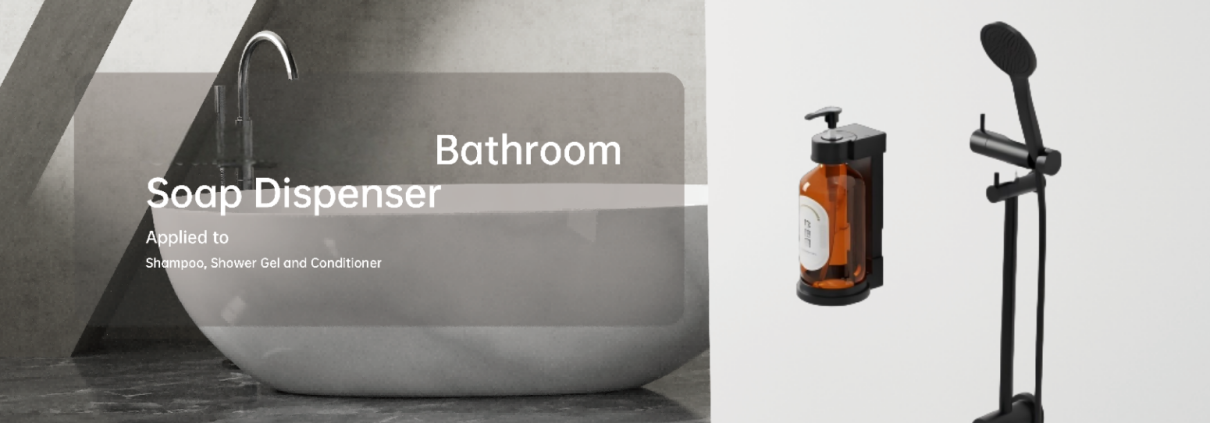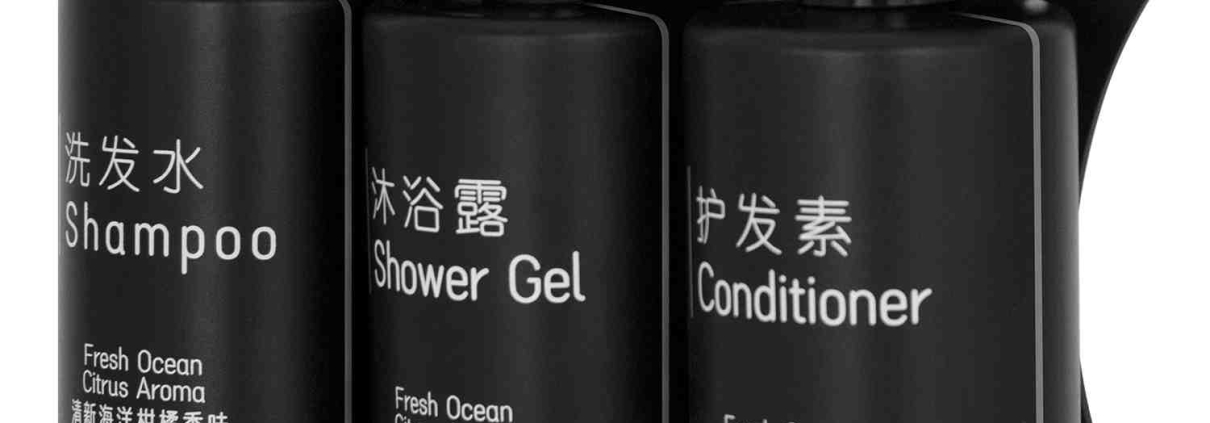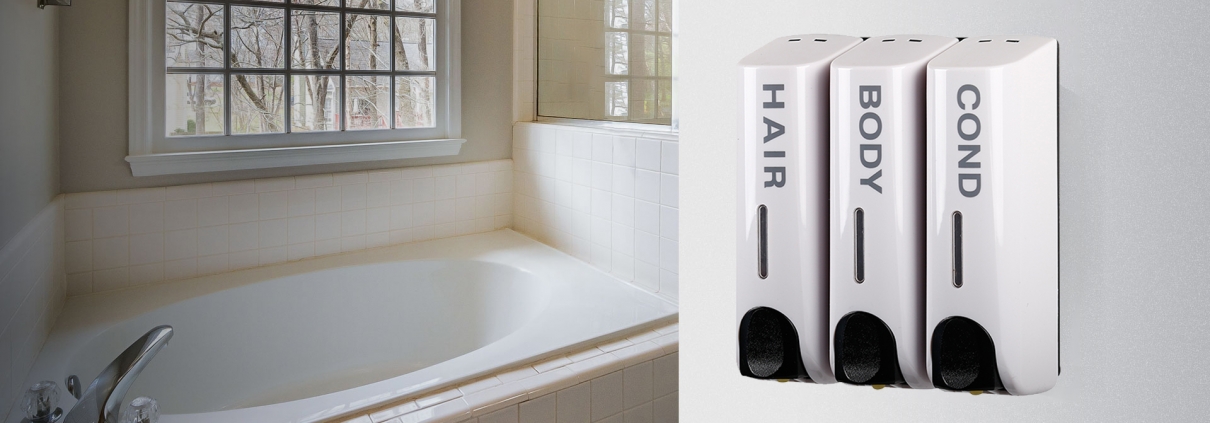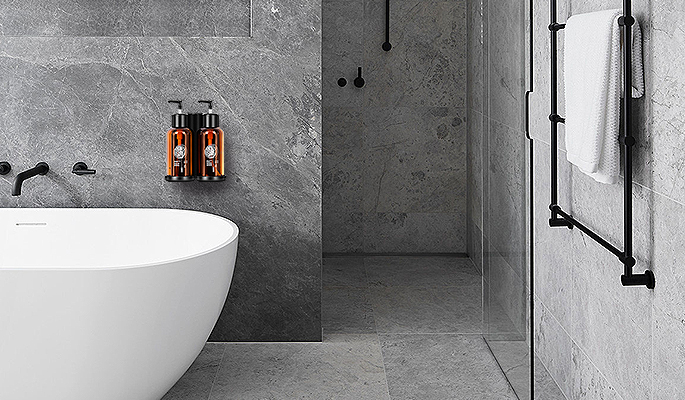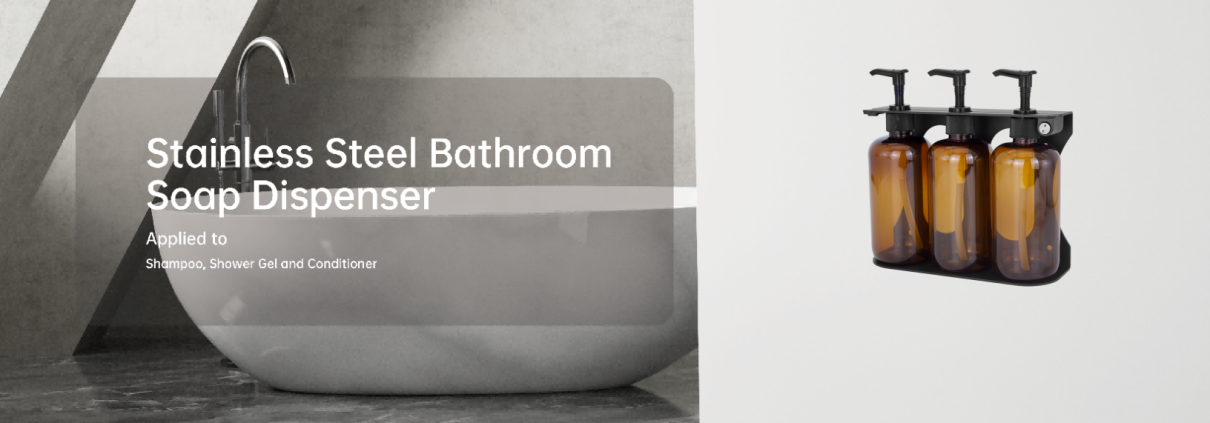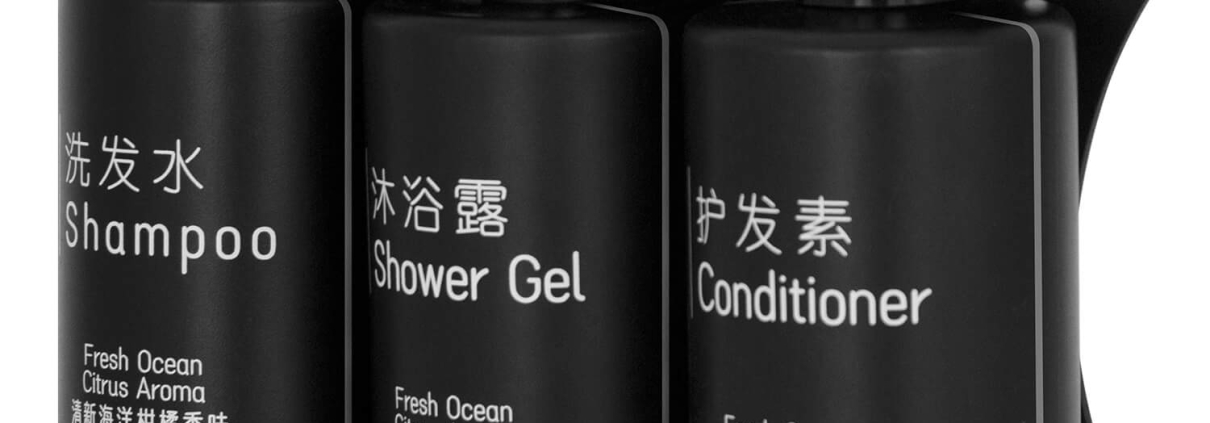
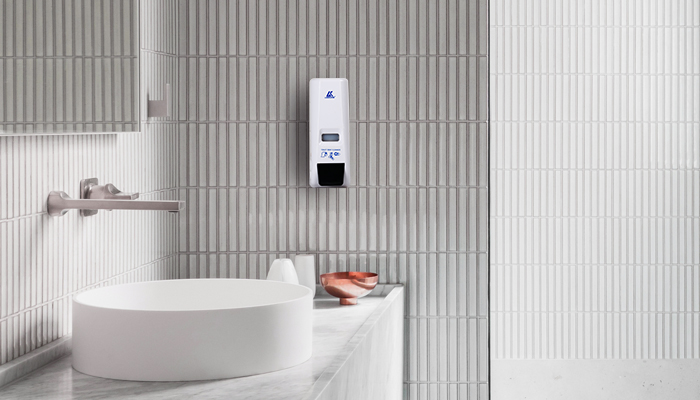
In the world of hospitality, details are everything. The guest experience is a tapestry woven from countless threads—from the thread count of the sheets to the warmth of the welcome. One often underestimated yet crucial thread is the humble bathroom soap dispenser. It’s a point of direct, tactile interaction multiple times a day. The right choice says “quality,” “thoughtfulness,” and “brand consistency.” The wrong choice can lead to frustration, mess, and a perceived lack of care.

Selecting a soap dispenser is not a one-size-fits-all decision. The ideal model for a luxury resort is vastly different from that of a budget-friendly motel. This guide will walk you through the key considerations and provide tailored recommendations for every major hotel category.

Key Considerations Before You Choose

Before diving into hotel types, establish your core criteria:

  1. Durability and Viability: Hotels are high-traffic environments. Dispensers must withstand constant use, occasional rough handling, and frequent cleaning with chemicals. Look for robust materials like cast metal, high-grade ABS plastic, or solid ceramic.
  2. Functionality and User-Friendliness: The mechanism must work flawlessly. Pumps should be smooth and require minimal pressure. Lever mechanisms should be intuitive. Avoid anything overly complicated that might confuse or frustrate a guest.
  3. Capacity and Maintenance: Larger capacities mean fewer refills, saving housekeeping time and labor costs. Opt for dispensers that are easy to open, fill, and clean to streamline operations.
  4. Aesthetics and Design: The dispenser must complement the bathroom’s design ethos. It should feel like an integrated part of the décor, not an afterthought.
  5. Sustainability: Modern travelers are increasingly eco-conscious. Refillable dispensers significantly reduce single-use plastic waste compared to individual miniature bottles. This is not just an environmental choice but a powerful marketing message.
  6. Cost: Factor in the total cost of ownership: the initial unit price, the cost of bulk soap refills, and the long-term maintenance and replacement costs.

Dispenser Recommendations by Hotel Type

1. Luxury & 5-Star Hotels

Guest Expectation: Seamless, elegant, and memorable perfection. Every element should feel premium, bespoke, and exceptionally high-quality.

  • Recommended Type: Wall-mounted, automated (sensor-operated) dispensers or high-end manual pumps.
  • Material: Brushed nickel, polished chrome, bronze, or brass are ideal for a timeless, luxurious feel. For a more modern aesthetic, consider matte black finishes or even crystal/glass accents. Solid ceramics with a high-gloss glaze also convey opulence.
  • Why It Works:

               Sensor-operated models offer the ultimate in hygiene and modern luxury—guests never touch the unit.

The weight and cool touch of metal signal quality and substance.

Look for models with minimal branding or the option for custom engraving of the hotel’s logo for a truly bespoke touch.

  • Product Suggestion: A heavy-gauge stainless steel sensor dispenser with a quiet, precise motor. The design should be sleek and minimalist.

2. Boutique & Design-Led Hotels

Guest Expectation: Unique, Instagram-worthy, and thoughtfully curated. Design is a primary driver of the experience.

  • Recommended Type: This is where you can get creative. Unique manual pumps, sculptural ceramic vessels, or dispensers integrated into the mirror or wall are all possibilities.
  • Material: Almost anything goes: matte ceramics in unique colors, reclaimed wood with a glass reservoir, colored glass, or brushed metals in unusual finishes like copper or rose gold.
  • Why It Works: The bathroom fixture becomes a conversation piece. It reinforces the hotel’s unique narrative and design story. The focus is on aesthetics and creating a cohesive visual theme.
  • Product Suggestion: A hand-thrown ceramic dispenser from a local artist or a geometrically shaped pump in a bold, contrasting color that matches the hotel’s branding.

3. Business & Conference Hotels

Guest Expectation: Efficiency, reliability, and functionality. Guests are often on a tight schedule and value things that work simply and effectively.

  • Recommended Type: Large-capacity, wall-mounted manual lever pumps.
  • Material: Durable, commercial-grade plastic or metal. Finishes should be smudge-resistant like brushed nickel or matte finishes.
  • Why It Works:

              Lever pumps are universally understood and reliable. They have fewer mechanical parts to fail than sensors.

              Large capacity reduces the chance of a dispenser running out during a guest’s stay, minimizing complaints and housekeeping calls.

The aesthetic is clean, professional, and unobtrusive.

  • Product Suggestion: A 1000ml+ capacity dispenser with a metal lever and lockable, easy-fill reservoir. It’s a workhorse designed for performance and durability.

4. Resort & Spa Hotels

  • Guest Expectation: Relaxation, wellness, and immersion in a natural or serene environment. The experience should feel nurturing and holistic.
  • Recommended Type: Wall-mounted manual pumps or sensor models that evoke a spa-like feel.
  • Material: Natural materials are key. Think bamboo, teak wood, stoneware, or pebble-shaped ceramics. Soothing, earthy tones like sand, grey, and soft green work well.
  • Why It Works: Materials like bamboo are sustainable and directly connect to a natural, calming aesthetic. The design should feel organic and soft, avoiding harsh lines or industrial looks. The soap itself is often a premium, aromatherapeutic blend.
  • Product Suggestion: A dispenser with a bamboo housing or a smooth, river-stone-shaped ceramic pump. Sensor models here should be nearly silent to maintain the tranquil atmosphere.

5. Budget & Limited-Service Hotels

Guest Expectation: Cleanliness, value, and practicality. The priority is providing a functional, hygienic, and cost-effective solution.

  • Recommended Type: Simple, lockable wall-mounted pumps or integrated dispenser systems (combined shampoo, conditioner, body wash).
  • Material: High-impact, durable ABS plastic.
  • Why It Works:

            Cost-effectiveness is paramount. These units are affordable to purchase and replace.

            Combined 3-in-1 systems save space, reduce installation points, and simplify the housekeeping process.

Locking mechanisms prevent tampering and waste.

They offer the significant sustainability and cost-saving benefits of bulk amenities over single-use bottles.

  • Product Suggestion: A simple, white or neutral-colored lockable plastic pump with a clear reservoir for easy monitoring of soap levels.

6. Eco-Friendly & Sustainable Hotels

Guest Expectation: Authentic commitment to environmental practices. Every choice must reflect this core brand value.

  • Recommended Type: Dispensers made from recycled or highly sustainable materials. Refill models are a must.
  • Material: Post-consumer recycled plastic, reclaimed wood, bamboo, or aluminum (highly recyclable).
  • Why It Works: It validates the hotel’s mission. The story is important—guests will appreciate knowing the dispenser is made from 100% recycled ocean plastic or sustainably sourced bamboo. This choice aligns with the bulk-fill model, which is the most significant way to reduce amenity waste.
  • Product Suggestion: A dispenser certified by a sustainability organization, made from 100% recycled materials, and paired with a vegan, cruelty-free, and biodegradable soap formula.

Final Checklist for Procurement

  • Test the Mechanism: Order a sample. Is the pump smooth? Is the sensor responsive?
  • Check Refill Availability: Ensure the bulk soap you plan to use is compatible with the mechanism to avoid clogs.
  • Consider Installation: Do you need a professional to drill into tile? Are there adhesive options for surfaces you can’t drill?
  • Plan for Maintenance: Train housekeeping on proper refilling and cleaning procedures to ensure longevity.

Conclusion

The soap dispenser is a small fixture with a big job. It is a functional tool, a design element, and a communicator of your brand’s values. By carefully selecting a dispenser that aligns with your specific hotel type, target guest, and operational needs, you invest in an detail that elevates the entire guest experience, proving that true luxury and quality are always in the details.

That humble vessel by your sink – the soap dispenser – holds more power than you might think. Beyond just delivering suds, it represents a daily choice with significant environmental and economic consequences: disposable, single-use dispensers versus their refillable, reusable counterparts. It’s a battle between ultimate convenience and long-term sustainability. Which one truly cleans up its act? Let’s lather up the facts and dive deep into the pros and cons of each contender.

The Contender: The Disposable (Single-Use) Soap Dispenser

  • The Premise:Buy it pre-filled, use it until empty, toss the entire unit (bottle, pump, and all), replace. Rinse and repeat.
  • The Allure (Advantages):
  1. Ultimate Convenience:This is the undisputed king of ease. No messy refills, no hunting for compatible soap. Just grab a new one off the shelf, pop off the cap (or sometimes just twist the pump to activate), and you’re ready to wash. Perfect for short-term rentals, infrequently used guest bathrooms, or situations demanding absolute minimal effort.
  2. Perceived Hygiene:The “brand new, sealed unit” factor offers a strong psychological sense of cleanliness and germ avoidance. For high-risk environments like hospitals or food prep areas (though often regulated differently), this feels
  3. Initial Lower Cost (Sometimes):The upfront price for a single disposable unit is often very low, sometimes even appearing cheaper than buying a refillable dispenser plus soap initially.
  4. Guaranteed Compatibility:The soap is perfectly matched to the pump mechanism, eliminating clogs or poor performance due to soap viscosity issues. What you buy is what you get.
  5. Design Variety:Manufacturers constantly roll out new designs, colors, and fragrances. Want seasonal scents or trendy aesthetics? Disposables offer frequent novelty.
  • The Downside (Disadvantages):
  1. Environmental Impact – The Elephant in the Room: This is the major, glaring flaw. Disposable dispensers are a plastic waste disaster. Every single empty unit ends up in landfill (or worse, litter), contributing massively to plastic pollution. Even if recycled (which requires separating components – often not done), the sheer volume is unsustainable. Think about the pump mechanism, the spring, the bottle – all trashed after a single use.
  2. Long-Term Cost: While cheap upfront, constantly buying entirely new dispensers is significantly more expensive over time compared to buying large refill bags or bottles of soap. You’re paying for plastic packaging repeatedly.
  3. Resource Intensity: Manufacturing each new dispenser (plastic molding, metal spring, assembly, packaging, transportation) consumes far more raw materials and energy than simply producing a refill pouch.
  4. Limited Soap Choice: You’re locked into the specific soap formulation and scent that came with the dispenser. Want to switch to an organic, hypoallergenic, or different scent? You need a whole new dispenser.
  5. Potential for Waste: If the pump fails prematurely or the soap isn’t fully depleted when you feel the need to replace it (perhaps for hygiene perception), usable soap and functional plastic are wasted.

The Challenger: The Refillable Soap Dispenser

  • The Premise: Invest in one durable dispenser. Keep it functioning for years by adding soap from pouches or bulk bottles when it runs low. The dispenser itself is designed for longevity.
  • The Strengths (Advantages):
  1. Significant Environmental Win: This is the core benefit. Refillables drastically reduce plastic waste. You discard only the thin plastic refill pouch (which uses much less plastic than a rigid bottle and pump) or, even better, refill from large bulk containers. Over years, the savings in landfill contribution are immense.
  2. Cost-Effectiveness: While the initial dispenser purchase might be higher, the long-term savings are substantial. Buying soap in bulk refill pouches or large bottles is significantly cheaper per ounce than constantly buying new disposable units. You pay for soap, not redundant plastic packaging.
  3. Durability & Quality: Refillable dispensers are generally built better. They often feature higher-quality pumps (metal springs, ceramic pistons), sturdier bottles (glass, thick plastic, stainless steel), and more robust mechanisms designed for repeated use. They feel less flimsy.
  4. Freedom of Choice: Unleash your inner soap connoisseur! Easily switch between different soap types (hand, dish, antibacterial, moisturizing), brands, scents, or formulations (organic, hypoallergenic, unscented) without changing your dispenser. Buy large economical refills of your favorite brand.
  5. Aesthetic Flexibility & Personalization: Refillables come in a vast array of durable, attractive materials and styles (glass, ceramic, bamboo, sleek metal) that can complement your home decor long-term. They offer a more permanent, personalized look.
  6. Reduced Resource Consumption: Manufacturing one durable dispenser used for years consumes far fewer resources overall than producing dozens of disposable ones.
  • The Challenges (Disadvantages):
  1. Refilling “Hassle”: This is the main perceived drawback. Refilling requires an extra step – opening the dispenser, pouring or squeezing in new soap (sometimes messily), and closing it up. It’s less instantaneous than grabbing a new disposable.
  2. Cleaning Needs: To prevent soap scum buildup, bacterial growth (especially around the pump mechanism), or residue mixing between refills, periodic cleaning is necessary. This adds another maintenance task.
  3. Initial Investment: A well-made, attractive refillable dispenser costs more upfront than a single disposable one.
  4. Potential for Clogs/Leaks: Using very thick or incompatible soaps, or failing to clean the pump occasionally, can lead to clogging or leaking, especially with cheaper refillable models. Requires a bit more user attention.
  5. Refill Compatibility: While generally flexible, some pump mechanisms might struggle with extremely viscous soaps. You need to ensure your chosen soap works well with your dispenser’s pump.

The Verdict: Towards a More Sustainable Suds Future

The evidence overwhelmingly favors refillable soap dispensers for the vast majority of home and regular business uses. While disposables offer undeniable, albeit fleeting, convenience and a strong perception of hygiene, their environmental cost is simply too high to justify as a default choice in our plastic-choked world. The constant generation of complex plastic waste is unsustainable.

Refillables represent a smarter, more responsible approach:

  1. Planet-Friendly: Drastically reduce plastic waste and resource consumption. One durable dispenser replaces dozens, if not hundreds, of disposable units over its lifetime.
  2. Wallet-Friendly: Save significant money over the long haul. The initial investment is quickly recouped through the drastically lower cost per wash of bulk soap refills. You stop paying for redundant packaging and mechanisms.
  3. Quality & Choice: Offer better durability, aesthetics (materials like glass, stainless steel, ceramic elevate any space), and freedom in soap selection. Enjoy higher-performing pumps and the ability to experiment with different formulations.

Addressing the Concerns: The “hassle” of refilling is minimal – it takes mere seconds and quickly becomes routine. Cleaning is simple (a warm water rinse and occasional vinegar soak for the pump mechanism) and is actually crucial for maintaining hygiene in any dispenser type over extended periods. The initial cost is a one-time investment in quality that pays dividends.

When Disposables Might Make Sense (The Exceptions):

  1. Truly Temporary Situations: Short-term vacation rentals, weekend cabins, construction sites, or disaster relief scenarios where setting up and retrieving a permanent fixture isn’t practical.
  2. Specific High-Sterility Protocols: Certain controlled environments like isolation rooms in hospitals or specialized labs might mandate sealed, single-use units under strict protocols (though often, professionally managed bulk-fill systems with sterile bags are preferred).
  3. User Compliance Challenges: In some uncontrolled public restroom settings where vandalism is a concern or ensuring proper refilling/cleaning procedures by staff or the public is impossible (though large, wall-mounted bulk-fill systems are increasingly the better solution here too).

Making the Switch Smoothly & Effectively:

  1. Invest Wisely: Choose a refillable dispenser made of durable, easy-to-clean materials (glass, stainless steel, high-quality BPA-free plastic) with a reliable, well-reviewed pump mechanism. Look for wide-neck openings for easier filling.
  2. Find Your Optimal Refill: Look for soap sold in large, flexible pouches designed for refilling or concentrate that you dilute. Many eco-conscious brands now offer specific “eco-refill” options. Buying in gallon-sized containers maximizes savings and minimizes packaging per ounce.
  3. Embrace Bulk Buying: For home use, purchasing soap in the largest economical size (gallons, multi-packs of refill pouches) significantly reduces cost per use and overall packaging waste.
  4. Establish a Cleaning Routine: Incorporate cleaning the dispenser into your regular bathroom or kitchen deep clean. Every few refills (or monthly), disassemble the pump if possible, rinse all parts thoroughly with warm water, and soak in a vinegar solution to dissolve soap scum and mineral deposits. Rinse well before reassembling. Wipe down the exterior regularly.
  5. Match Soap to Pump: If using very thick lotion soaps or castile soap, ensure your dispenser’s pump is rated for higher viscosity to prevent clogs. Most standard pumps handle regular liquid hand or dish soap perfectly.

Conclusion: A Choice Beyond Convenience

The seemingly simple choice between a disposable and refillable soap dispenser is a microcosm of our modern consumption habits. It pits the seductive ease of the throwaway culture against the mindful responsibility of reuse. While disposable dispensers offer an undeniable, frictionless experience, their true cost – measured in mountains of plastic waste, squandered resources, and higher long-term expenditure – is one our planet and wallets can ill afford.

Refillable soap dispensers, requiring just a minimal increment of effort (seconds for refilling, minutes for occasional cleaning), deliver profound benefits: a dramatic reduction in plastic pollution, substantial financial savings over time, superior durability and aesthetic appeal, and the liberating freedom to choose any soap you desire.

Choosing refillable is more than just a practical decision; it’s a small, tangible step towards a more sustainable future. It fosters a conscious relationship with everyday objects and disrupts the cycle of constant consumption. By embracing the refill, we actively participate in reducing waste and conserving resources.

So, next time your soap runs low, consider making the switch. Invest in a dispenser built to last, enjoy the variety and savings of bulk soap, and take pride in that small act of environmental stewardship. It’s time to move beyond the disposable model, one simple, satisfying refill at a time. Your hands, your budget, and the Earth will feel the positive difference.

Leekong Hotel bathroom soap dispenser manufacturer, accepts ODM&OEM and unique customization services

The End of the $800 De Minimis Rule: What It Means for Businesses, Hotels, and Consumers Introduction

Former U.S. President Donald Trump announced plans to terminate the de minimis rule, which allowed imported goods valued under $800 to enter the U.S. without tariffs or extensive customs scrutiny. This policy change has far-reaching implications for businesses, particularly those reliant on low-cost imports—such as hotels stocking soap dispensers and other amenities.

The change to the “de minimis” exemption was first implemented on goods from the Chinese mainland and Hong Kong in May, as China is the largest source of these shipments.

Low-cost online stores like Shein and Temu, both extremely popular with shoppers in the US and worldwide, were among those that would likely be directly affected, warned Z. John Zhang, a professor of marketing at the Wharton School of the University of Pennsylvania.

But Zhang told China Daily that the recent rule change will also hit many other businesses in China that do business with the US, as it’s “not just fast fashion in this case, it’s really all kinds of goods under the value of $800”.

This policy has had an impact on many manufacturers in China, such as Leekong, a Chinese manufacturing tycoon whose company supplies millions of soap dispensers to American hotels. With the de minimis loophole closed, businesses like his will face higher costs, logistical hurdles, and potential shifts in supply chains.

In this blog post, we’ll explore:

– The history and purpose of the de minimis rule

– Why Trump moved to eliminate it

– The impact on hotels, soap dispenser suppliers, and manufacturers like Leekong

– Alternative strategies for businesses to adapt

  1. What Was the De Minimis Rule?

The de minimis threshold (Latin for “minimal things”) allowed shipments valued at less than $800 to enter the U.S. tax-free and with minimal customs checks. Established under the Trade Facilitation and Trade Enforcement Act of 2015, this rule was designed to:

– Speed up e-commerce deliveries (e.g., Amazon, AliExpress, Wish)

– Reduce administrative burdens on small businesses and customs

– Encourage cross-border trade, particularly from China

For years, companies—especially those importing small, low-cost items like soap dispensers, toiletries, and electronics—relied on this rule to keep costs low.

Key Impacts of the De Minimis Rule Termination

  1. E-Commerce & Small Businesses

Higher Costs for Consumers: Online shoppers will pay $80–$200 extra per international order.

Small Businesses Squeezed: U.S. and Canadian sellers (e.g., Etsy shops) lose cost advantages, facing new paperwork and delays.

Chinese E-Commerce Giants Hit: Temu and Shein, which relied on direct-to-consumer shipping, must restructure supply chains or absorb 54–120% tariffs.

  1. Hotels & Soap Dispenser Suppliers

Bulk Importers Face Tariffs: Hotels sourcing cheap soap dispensers, toiletries, and linens from China will see 25%+ cost increases.

Supply Chain Shifts: Manufacturers like Lee Kong may relocate production to Vietnam or Mexico to avoid tariffs.

  1. Global Trade & Geopolitical Fallout

China’s Export Model Disrupted: The $800 loophole was a key enabler of China’s “white-label” e-commerce boom.

U.S. Inflation Risks: Low-cost goods (e.g., $7 T-shirts, $60 board games) will become more expensive.

Trade War Escalation: The move intensifies U.S.-China tensions, alongside existing 24% suspended tariffs.

  1. Why Did Trump End It?

Trump’s decision to scrap the $800 exemption aligns with his broader “America First” trade policies, including:

– Tariffs on Chinese goods (starting in 2018)

– Crackdown on customs loopholes that benefited foreign manufacturers

– Encouraging domestic production over reliance on imports

Key Reasons for Termination:

Preventing Abuse: Many Chinese sellers (including Leekong’s soap dispenser empire) exploited the rule by shipping bulk orders in small, separate packages to avoid tariffs.

Protecting U.S. Manufacturers: Domestic producers argued that the rule gave foreign competitors an unfair advantage.

Revenue Generation: The U.S. government loses billions in potential tariffs annually due to de minimis exemptions.

  1. Impact on Hotels & Soap Dispenser Suppliers
  2. Higher Costs for Hotels

Hotels rely on cheap, bulk-purchased amenities—soap dispensers, shampoos, towels—often imported from China. Without the $800 exemption:

– Prices per unit will rise (due to tariffs + customs fees)

– Supply chain delays (more inspections = slower deliveries)

– Possible switch to domestic suppliers (but at higher costs)

Case Study: Leekongs Soap Dispenser Business  

Leekong’s company supplies millions of soap dispensers to U.S. hotels annually. Under the old rule, he could ship hundreds of small packages tariff-free. Now:

– Each shipment may incur 25%+ tariffs (Trump’s China rates)

– Profit margins shrink, forcing price hikes

– Competitiveness drops vs. U.S.-made alternatives

  1. Shift in Supply Chains

Some businesses may:

– Relocate production to tariff-exempt countries (Vietnam, Mexico)

– Stockpile inventory before full policy enforcement

– Invest in automation to offset rising costs

  1. How Businesses Can Adapt
  2. Alternative Sourcing Strategies

– Nearshoring: Partner with Mexican or Central American suppliers.

– Diversify Suppliers: Avoid over-reliance on China (e.g., look to India, Thailand).

– Bulk Shipping: Consolidate orders to reduce per-unit tariffs.

  1. Lobbying & Policy Influence

– Industry groups (e.g., American Hotel & Lodging Association) may push for exemptions.

– Legal challenges could delay enforcement.

  1. Passing Costs to Consumers  

– Hotels may charge higher rates or cut back on free amenities.

– E-commerce sellers (Amazon, eBay) will raise prices.

  1. Conclusion: A New Era for Trade

The end of the $800 de minimis rule marks a significant shift in U.S. trade policy—one that benefits domestic manufacturers but strains import-dependent businesses. For hotels, soap dispenser suppliers like Lee Kong, and e-commerce sellers, adaptation is crucial.

Will companies absorb the costs, pass them to consumers, or relocate production? Only time will tell. One thing is certain: global trade will never be the same.

Final Thoughts

In fiscal year 2024, $64.6 billion worth of goods in over 1.36 billion small shipments were utilized de minimis, according to Yale University and US Customs and Border Protection.

Now, all countries that send items to US customers or businesses outside of the international postal network will be subject to the rule change starting on Aug 29, Trump’s executive order stated on Wednesday. Trump’s de minimis termination reshapes global e-commerce, forcing businesses to rethink supply chains, pricing, and market strategies. While it protects U.S. manufacturers, consumers and small importers face higher costs and delays.

Will this policy backfire by fueling inflation? Or will it successfully bring manufacturing back to America? The answer may determine its political and economic legacy.

– For consumers: Expect higher prices on small imported goods.

– For businesses: Rethink supply chains and pricing strategies.

– For policymakers: Balance protectionism with economic efficiency.

What do you think? Will killing the de minimis rule help or hurt the U.S. economy? Let’s discuss in the comments!

In the often-overlooked world of hotel amenities, the humble soap dispenser plays a surprisingly vital role. It’s a daily touchpoint for guests, silently communicating standards of hygiene, luxury, and environmental awareness. Selecting the right core material – stainless steel, ABS plastic, or ceramic – isn’t just about aesthetics; it impacts durability, hygiene, guest perception, operational costs, and long-term sustainability. Let’s dissect these popular contenders to find the perfect fit for every hotel zone.

1. The Enduring Workhorse: Stainless Steel

  • Characteristics:

    • Durability King: Highly resistant to dents, scratches, impacts, and corrosion. Built to withstand the rigors of high-traffic areas and frequent cleaning.

    • Hygiene Champion: Non-porous surface prevents bacteria harborage. Naturally resistant to mold and mildew. Easily sterilized with harsh chemicals (bleach, strong disinfectants) without degradation.

    • Professional & Weighty: Conveys a strong sense of quality, cleanliness, and modernity. Its substantial weight feels premium and discourages tampering or theft.

    • Temperature Tolerant: Unaffected by hot water or steam during cleaning.

    • Sustainability Plus: Highly recyclable at end-of-life, appealing to eco-conscious operations.

  • Ideal Hotel Scenarios:

    • High-Traffic Public Restrooms: Lobbies, conference areas, restaurants, pools, gyms.

    • Back-of-House Areas: Staff washrooms, kitchens, laundry rooms.

    • Luxury/Contemporary Hotels: Where a sleek, professional, and durable image is paramount.

    • Outdoor/Wet Areas: Pool decks, spa changing rooms (ensure grade is truly rust-resistant, e.g., 304 or 316).

  • Care & Maintenance:

    • Daily/Regular: Wipe with a damp microfiber cloth and mild detergent or a dedicated stainless-steel cleaner. Always wipe with the grain to prevent micro-scratches.

    • Deep Cleaning/Disinfection: Use hospital-grade disinfectants or diluted bleach solutions. Rinse thoroughly and dry completely to prevent water spotting.

    • Avoid: Abrasive pads (steel wool, harsh scouring pads) – they cause permanent scratches. Chloride-based cleaners for prolonged periods can cause pitting on lower grades.

    • Tip: For stubborn water spots or light scratches, use specialized stainless-steel polishes. Apply a thin coat of mineral oil occasionally to protect the finish in humid areas.

2. The Versatile Performer: ABS Plastic

  • Characteristics:

    • Cost-Effective: Significantly cheaper to manufacture and purchase than metal or ceramic, ideal for bulk procurement or budget constraints.

    • Lightweight & Practical: Easy to install, handle, refill, and transport. Less likely to cause damage if dropped.

    • Design Flexibility: Can be molded into virtually any shape, size, or color. Allows for brand-specific designs, ergonomic shapes, and vibrant aesthetics. Easily incorporates translucent sections for level checks.

    • Impact Resistant: Good resistance to chipping and breaking from drops (though can crack under severe force).

    • Chemical Resistance (Generally): Resists many common cleaning agents.

  • Ideal Hotel Scenarios:

    • Economy/Mid-Scale Guestrooms: Where budget and functionality are key.

    • Limited-Stay Accommodations: Hostels, budget motels, extended-stay suites.

    • Family-Friendly Areas/Kids’ Clubs: Lightweight and less damaging if knocked over.

    • Temporary or Seasonal Installations: Pop-up hotels, event spaces.

    • Areas Requiring Specific Branding/Color: Themed rooms, promotional setups.

  • Care & Maintenance:

    • Daily/Regular: Wipe with a soft cloth dampened with mild soapy water or a gentle all-purpose cleaner.

    • Disinfection: Use disinfectants compatible with plastics (check manufacturer guidelines). Avoid chlorine bleach for prolonged periods as it can degrade the plastic, cause yellowing, or weaken it over time. Isopropyl alcohol (70%) is usually safe and effective.

    • Avoid: Harsh solvents (acetone, strong paint thinners), abrasive cleaners, scouring pads, and excessive heat (dishwashers, very hot water) which can warp, scratch, craze, or discolor the plastic.

    • Tip: UV exposure can cause fading or brittleness over time. Consider this for dispensers near windows. Replace if significant cracking, crazing, or deep scratches appear, as these can harbor bacteria.

3. The Touch of Elegance: Ceramic

  • Characteristics:

    • Luxury & Aesthetics: Unmatched in conveying classic elegance, sophistication, and a spa-like ambiance. High-quality glazes offer beautiful finishes and colors.

    • Weight & Stability: Substantial weight provides a premium feel and good stability.

    • Cool Touch: The inherent coolness can feel pleasant and luxurious.

    • Chemical Resistance (Glazed Surface): The glazed surface is non-porous, easy to wipe clean, and resistant to most common cleaning chemicals.

  • Ideal Hotel Scenarios:

    • Luxury Suites & High-End Boutique Hotels: Where creating a unique, opulent bathroom experience is crucial.

    • Spa & Wellness Areas: Enhances the serene, pampering atmosphere.

    • Fine Dining Restaurant Restrooms: Complements an upscale dining ambiance.

    • Heritage/Classic Style Hotels: Matches traditional decor beautifully.

  • Care & Maintenance:

    • Daily/Regular: Wipe gently with a soft, damp cloth and mild detergent. Dry thoroughly.

    • Disinfection: Use gentle disinfectants suitable for ceramics. Avoid abrasive cleaners or pads that can scratch the glaze. Bleach is generally safe on glazed surfaces but rinse well.

    • Handle with Extreme Care: This is the critical factor. Ceramic is inherently brittle and highly susceptible to chipping, cracking, or shattering if dropped, knocked hard, or impacted.

    • Avoid: Sudden temperature changes (e.g., pouring boiling water into a cold dispenser) which can cause thermal shock and cracking. Harsh mechanical impact.

    • Tip: Ensure secure mounting. Refill carefully to avoid hitting the rim. Consider protective bumpers or placement away from high-risk bump zones. Inspect regularly for hairline cracks or chips – these compromise hygiene and structural integrity.

The Verdict: Material Matters Beyond Looks

Choosing the right soap dispenser material is a strategic decision impacting guest experience, operational efficiency, and your bottom line:

  • Stainless Steel reigns supreme for unbeatable durability, hygiene, and a modern professional look in demanding public and back-of-house areas. Its longevity often justifies the higher upfront cost.

  • ABS Plastic offers unbeatable value, design freedom, and practicality for guestrooms (especially budget-conscious) and areas where weight or frequent replacement is a factor. Vigilance against wear and chemical degradation is key.

  • Ceramic delivers unparalleled luxury and aesthetic appeal for high-end suites, spas, and restaurants, creating a memorable sensory experience. However, its fragility demands careful handling, placement, and a higher tolerance for potential replacement costs.

Smart Care = Longevity & Hygiene: Regardless of material, consistent and appropriate cleaning is non-negotiable for guest safety and dispenser lifespan. Train housekeeping staff specifically on the dos and don’ts for each material type used in your property.

By understanding the inherent strengths, weaknesses, and care requirements of stainless steel, ABS plastic, and ceramic, hoteliers can make informed decisions that elevate the guest bathroom experience, optimize operational costs, and project the desired brand image – one thoughtful dispenser at a time. Investing in the right material isn’t just about holding soap; it’s about holding up your standards.

Leekong is a professional soap dispenser manufacturer in China. We are a factory, and also a company integrating industry and trade, integrating design, research, development and sales. The company has been established for 14 years, has its own research and development team, and currently has 12 injection molding machines, 2 blow molding machines, and multiple model equipment. The company has a professional foreign trade sales team, a superb technical department and an 8-person QC department. We could provide customized service, we have our own designer and Engineering Department that could help you. Not only we could provide you with the best and most cost-effective products, but we also promise excellent after-sales service. If you need samples to make a decision, we would be happy to provide them

The Impact of the End of U.S.-China Reciprocal Tariffs: Implications for Hotel Industry

Introduction

The trade war between the United States and China, which began in 2018, has had far-reaching effects on global supply chains, manufacturing costs, and consumer prices. One of the most significant aspects of this trade conflict was the imposition of reciprocal tariffs on billions of dollars worth of goods. However, with recent negotiations suggesting a potential end to these tariffs, industries worldwide are preparing for a shift in trade dynamics.

This blog post explores the potential impacts of the termination of U.S.-China reciprocal tariffs, with a focus on the hotel industry, the soap dispenser market, and companies like Leekong (A professional manufacturer of hotel soap dispensers and paper towel dispensers).

  1. Overview of U.S.-China Reciprocal Tariffs  

1.1 Background of the Trade War

The U.S.-China trade war began when the Trump administration imposed tariffs on Chinese goods to address trade imbalances and intellectual property concerns. China retaliated with its own tariffs, leading to increased costs for businesses reliant on cross-border trade. The escalation and de-escalation of the U.S.-China reciprocal tariffs in 2025 unfolded amid heightened trade tensions and strategic economic maneuvering. Initial U.S. Tariff Hikes (February-March 2025). The U.S., under the Trump dministration, imposed a 20% tariff on all Chinese goods in February, citing concerns over synthetic opioids (fentanyl supply chains).

By March, this was raised to 20%, further straining bilateral trade.

“Reciprocal Tariff” Announcement (April 2025)

On April 2, Trump signed an executive order imposing a 34% “reciprocal tariff” on Chinese goods (on top of existing tariffs), bringing the total to 54%. The U.S. justified this by claiming trade imbalances, using a formula based on trade deficits. China retaliated swiftly, raising tariffs on U.S. imports from 34% to 84% on April 10, then to 125% on April 12, effectively blocking most U.S. exports.

Economic and Political Fallout

The tariffs triggered global market turmoil, with U.S. stocks plunging (Dow Jones losing 3,000 points in a day) and supply chains scrambling.

China leveraged multilateral alliances, signing agreements with ASEAN and forming an “anti-U.S. tariff coalition” with Japan, South Korea, and others.

Rare earth export controls by China disrupted U.S. defense and tech sectors (e.g., F-35 production delays).

De-escalation and Temporary Truce (May-July 2025)

Geneva Talks and Tariff Suspension (May 12, 2025)

Under mounting economic pressure (U.S. inflation, corporate backlash), both sides reached the Geneva Joint Statement, agreeing to:

Cancel 91% of retaliatory tariffs, retaining only a 10% baseline tariff.

Suspend 24% of tariffs for 90 days (a cooling-off period)6.

The U.S. kept its 20% “fentanyl tariff” (unrelated to trade deficits), while China maintained strategic countermeasures6.

Final Retreat (July 2025)

By mid-July, the U.S. made three key concessions:

Accepted China’s terms for negotiation timing and location.

Lifted restrictions on NVIDIA’s H20 AI chip exports to China.

Shifted rhetoric to “friendly competition”, signaling a truce4.

The 125% Chinese tariffs on U.S. goods were effectively lifted, though structural disputes (tech bans, subsidies) remained unresolved46.

Key Drivers of the Resolution

U.S. Domestic Pressure: Rising inflation, agricultural losses (e.g., Iowa pork producers losing $2.3B), and corporate lobbying forced a retreat.

China’s Strategic Countermeasures: Rare earth controls, regional trade pacts (e.g., RCEP), and supply chain diversification (e.g., Mexico, ASEAN) weakened U.S. leverage.

Symbolic Diplomacy: The establishment of a standing communication mechanism (per the Geneva deal) helped prevent further escalation.

1.2 Key Affected Industries  

– Electronics & Machinery (e.g., semiconductors, industrial equipment)

– Consumer Goods (e.g., furniture, apparel)

– Hospitality Supplies (e.g., soap dispensers, linens)

1.3 Expected Changes with Tariff Removal

– Reduced import/export costs

– Improved supply chain efficiency

– Potential reshoring or diversification of manufacturing

  1. Impact on the Hotel Industry

2.1 Reduced Costs for Hospitality Supplies

Hotels rely heavily on imported goods, including:

– Furniture (often manufactured in China)

– Amenities (soap dispensers, toiletries, linens)

-Electronics (TVs, smart room systems)

With tariffs lifted, hotels may see:  

✔ Lower procurement costs → Higher profit margins or reinvestment in upgrades

✔ More competitive pricing from suppliers like Leekong

2.2 Potential Increase in U.S. Hotel Investments

– Chinese investors may find U.S. hotel assets more attractive if trade tensions ease.

– U.S. hotel chains expanding into China may benefit from smoother operations.

2.3 Challenges: Will Savings Be Passed On?

– Some hotel groups may retain cost savings rather than lowering guest prices.

– Labor and operational costs (unrelated to tariffs) could offset gains.

  1. The Soap Dispenser Market: A Case Study

3.1 How Tariffs Affected the Industry

– Many soap dispensers (manual and automatic) are manufactured in China.

– U.S. importers faced 25% tariffs, increasing costs by ~15-30% after supply chain adjustments.

3.2 Post-Tariff Scenarios

Scenario 1: Price Drops for Bulk Purchases

– Hotels buying soap dispensers in bulk could see 10-20% cost reductions.

– Companies like Leekong (if a supplier) could gain market share with competitive pricing.

Scenario 2: Shift to Alternative Suppliers**

– Some U.S. businesses diversified to Vietnam or Mexico; they may not return to China immediately.

– Chinese manufacturers might lower prices to regain lost customers.

3.3 Sustainability and Innovation  

– With lower costs, hotels may invest in **higher-end, eco-friendly dispensers**.

– Smart dispensers (IoT-enabled) could see increased adoption.

  1. Leekong and Other Supply Chain Players

4.1 Who Is Leekong? (Hypothetical Example)  

Assuming Leekong is a Chinese manufacturer of hotel amenities (soap dispensers, toiletry kits)**:

– Pre-tariff: Competitive pricing made it a key supplier for U.S. hotels.

– During tariffs: Lost market share due to increased costs.

– Post-tariff: Could regain business if prices become competitive again.

4.2 Strategic Moves for Companies Like Leekong  

– Repricing strategies: Adjust export prices to attract U.S. buyers.

– Localized production: Set up assembly in Southeast Asia to avoid future tariffs.

– Partnerships: Collaborate with U.S. hotel chains for long-term contracts.

4.3 Broader Implications for Supply Chains

– Reshoring vs. Nearshoring: Some U.S. firms may still prefer non-China suppliers.

– Inventory Adjustments: Businesses may restock Chinese goods if tariffs end.

  1. Potential Risks & Uncertainties

5.1 Will Tariffs Fully Disappear?

– Some sectors (e.g., tech) may retain restrictions due to national security concerns.

– Political changes in the U.S. or China could reverse progress.

5.2 Inflation & Other Cost Factors  

– Even without tariffs, inflation, shipping costs, and labor shortages could keep prices high.

5.3 Long-Term Trade Relations

– The U.S. and China may remain strategic competitors, affecting future policies.

  1. Conclusion & Key Takeaways

The end of U.S.-China reciprocal tariffs could bring:

Lower costs for hotels** (especially for imported amenities like soap dispensers).

Opportunities for suppliers like Leekong to regain market share.

Potential for more sustainable, high-tech hotel upgrades.

However, businesses should:

Monitor policy changes closely—tariffs could return.

Diversify supply chains to mitigate future risks.

Negotiate contracts wisely to lock in lower prices if tariffs end.

For the hotel industry, this could mean better profit margins and improved guest amenities. For soap dispenser manufacturers and companies like Leekong, it’s a chance to reclaim lost business and innovate.

The end of tariffs won’t solve all trade challenges, but it’s a significant step toward more stable global commerce.


Think of the most mundane object in your hotel bathroom. Chances are, the hotel soap dispenser springs to mind. Yet, this unassuming fixture holds a surprisingly rich history, silently charting the course of the hospitality industry itself. Its journey from purely functional necessity to a carefully curated element of the guest experience is a fascinating reflection of changing priorities, technology, sustainability concerns, and the relentless pursuit of comfort. Let’s trace this evolution.

The Era of Function & Frugality (1960s – 1980s): The Institutional Standard

  • The Problem: Communal soap bars. Unhygienic, messy, wasteful (partially used bars discarded), and prone to theft. Hotels needed a better solution.

  • The Solution: Enter the wall mounted dispenser. Early models were purely utilitarian:

    • Material: Durable, often industrial-grade plastic (ABS) or metal (stainless steel).

    • Design: Simple, boxy shapes. Function reigned supreme.

    • Mechanism: Basic push-button or lever action dispensing generic liquid soap, sometimes diluted.

    • Focus: Cost-efficiency, hygiene, and reducing waste (compared to bars) were paramount. The dispenser was an anonymous workhorse, blending into the tiled background. Its presence screamed “institutional efficiency,” common in motels and budget chains.

  • Hotel Context: This era prioritized standardization, volume, and operational cost control. The bathroom was purely functional, not a space for indulgence. The dispenser embodied this perfectly.

The Rise of Branding & Basic Comfort (1980s – Late 1990s): A Touch of Identity

  • The Shift: As competition increased, hotels began to see the bathroom as part of the brand experience, albeit minimally.

  • Dispenser Evolution:

    • Material: Plastics became slightly less industrial, perhaps in softer colors (white, beige).

    • Design: Slightly more rounded edges appeared. Branding became key.

    • Branding: Hotel logos or names started appearing prominently on the dispenser face. The generic soap was often replaced with slightly better quality, branded liquids (“Exclusively for Our Guests”).

    • Focus: Basic brand reinforcement and a perception of slightly elevated hygiene/quality over bars. While still primarily wall mounted, they became a small billboard within the room.

  • Hotel Context: This reflected the industry’s move towards chain standardization and establishing brand recognition. Comfort was improving, but amenities were still largely standardized and functional.

The Experience Revolution & Boutique Boom (Late 1990s – 2010s): Sensory & Style

  • The Catalyst: The rise of boutique hotels and heightened guest expectations. Every touchpoint mattered. Bathrooms transformed into sanctuaries.

  • Dispenser Transformation:

    • Material: Significant upgrade. Sleek metallics (brushed nickel, chrome), frosted glass, high-quality ceramics, and premium plastics.

    • Design: Modern, minimalist, elegant. Curves replaced angles. Design became a conscious choice aligning with the hotel’s aesthetic – from retro chic to ultra-modern spa.

    • Mechanism: Sensor technology arrived! Touchless operation enhanced the perception of hygiene, modernity, and luxury. It felt sophisticated.

    • Content: Soap became an experience. High-quality gels, lotions, shampoos, and conditioners from recognizable spa brands (Aveda, Molton Brown, L’Occitane) filled the dispensers. Scent became a powerful memory trigger.

    • Focus: Elevating the guest experience, sensory appeal, perceived luxury, and aligning with a specific design ethos. The hotel soap dispenser was no longer just a fixture; it was a design element and a quality statement. While wall mounted remained common, freestanding ceramic or glass pump bottles appeared on countertops in luxury segments, offering a more residential feel.

  • Hotel Context: This mirrored the industry’s intense focus on differentiation, creating unique experiences, and catering to discerning travelers. The bathroom became a key battleground for guest satisfaction and perceived value.

The Sustainable & Smart Era (2010s – Present): Responsibility & Refinement

  • The Imperative: Environmental consciousness and operational efficiency reached critical mass. Guests demanded sustainability.

  • Dispenser Innovation:

    • Sustainability: Bulk-fill systems became mainstream, especially in mid-range to luxury chains. Large, concealed wall mounted reservoirs in housekeeping carts allow staff to refill beautiful, durable dispensers in-room, drastically reducing single-use plastic waste. Materials focus on recyclability and longevity.

    • Refillable Luxury: High-end hotels often use elegant, branded ceramic or glass bottles that are professionally cleaned and refilled with premium products, combining sustainability with luxury.

    • Smart Integration: Sensor technology became more refined, reliable, and ubiquitous. Some systems even integrate usage data to optimize refill schedules and inventory management.

    • Hygiene 2.0: Touchless operation, combined with antimicrobial materials or coatings, became a hygiene standard, further solidified post-pandemic.

    • Focus: Environmental responsibility, waste reduction (eliminating mini-plastics), enhanced operational efficiency, maintaining high-touch design/aesthetics, and seamless hygiene. The dispenser embodies the hotel’s commitment to the planet without sacrificing guest comfort.

  • Hotel Context: This era reflects the industry’s response to global sustainability goals, guest demands for eco-conscious practices, and the need for smarter operations. It’s about aligning values (hotel and guest) and leveraging technology for efficiency.

The Present & Future: Personalization & Integration?

Where next? We see glimmers of the future:

  • Personalization: Could dispensers offer scent choices via refillable cartridges? Or adjust product type based on guest preference profiles?

  • Enhanced Smart Features: Integration with room controls (lighting, music) via the dispenser panel? Usage analytics predicting refill needs with pinpoint accuracy?

  • Material Innovation: Even more sustainable, self-cleaning, or antimicrobial composite materials.

  • Ultra-Seamless Design: Dispensers that are virtually invisible when not in use, blending perfectly into high-design walls or countertops.

Conclusion: More Than Just Soap

The journey of the hotel soap dispenser – from a purely functional, anonymous wall mounted box to an elegant, sustainable, and often touch-free element of the guest experience – is a microcosm of the hotel industry’s own evolution. It reflects the shift from mere utility to branding, from standardization to experience curation, and from operational frugality to a balanced focus on guest comfort, environmental responsibility, and technological sophistication.

Next time you press that button or wave your hand under the sensor, take a moment to appreciate this small hero. It’s not just dispensing soap; it’s dispensing decades of hospitality history, reflecting the constant strive to make the guest’s stay cleaner, more comfortable, more memorable, and increasingly responsible. The humble hotel soap dispenser has truly come a long way, proving that even the smallest details can tell the grandest stories about an industry’s journey.

Leekong Hotel bathroom soap dispenser manufacturer, accepts ODM&OEM and unique customization services

The Impact of the U.S.-Vietnam Trade Agreement on China’s Soap Dispenser Industry

Introduction 

The recent trade agreement between the United States and Vietnam has significant implications for global supply chains, particularly in the manufacturing sector. One industry that may experience both challenges and opportunities is China’s soap dispenser market, which includes a wide range of products such as stainless steel soap dispensers , automatic dispensers, and those designed for hotel and bedroom use. Companies like Leekong, a major player in the soap dispenser manufacturing industry, may need to reassess their strategies in light of shifting trade dynamics.

This blog explores how the U.S.-Vietnam trade deal could affect China’s soap dispenser sector, analyzing potential disruptions, competitive pressures, and new opportunities.

Background: The U.S.-Vietnam Trade Agreement

The U.S. and Vietnam have strengthened their economic ties through a new trade agreement aimed at reducing tariffs, improving market access, and encouraging investment. Vietnam has emerged as a competitive manufacturing hub, particularly for electronics, textiles, and home goods—industries where China has traditionally dominated.

For the soap dispenser** industry, this agreement could mean:

– Increased competition** from Vietnamese manufacturers

– Supply chain shifts as companies relocate production

– Potential tariff advantages for Vietnam-made products in the U.S. market

Why the U.S. Is Strengthening Trade with Vietnam

Several factors have driven the U.S. to pursue closer trade ties with Vietnam:

  1. Reducing Dependence on China

The U.S. has been diversifying supply chains away from China due to trade wars, tariffs, and geopolitical tensions.

Vietnam has emerged as a top alternative for manufacturing, offering lower labor costs and a business-friendly environment.

  1. Countering China’s Influence in Southeast Asia

The U.S. sees Vietnam as a strategic partner in the Indo-Pacific region to balance China’s economic dominance.

Strengthening trade helps the U.S. expand its influence in ASEAN (Association of Southeast Asian Nations).

  1. Addressing Trade Imbalances

The U.S. had a $116 billion trade deficit with Vietnam in 2023, largely due to electronics (like Apple and Samsung products assembled there).

The new agreement includes provisions to promote more balanced trade, such as encouraging U.S. exports to Vietnam.

Key Provisions of the U.S.-Vietnam Trade Agreement

While the full text of the agreement has not been publicly released, reports suggest it includes the following elements:

  1. Tariff Reductions

Vietnam will lower tariffs on U.S. agricultural products (soybeans, pork, dairy).

The U.S. may reduce duties on Vietnamese textiles, footwear, and electronics.

  1. Intellectual Property (IP) Protections

Stronger enforcement against counterfeit goods, benefiting U.S. tech and pharmaceutical companies.

Vietnam will improve patent and trademark laws to align with international standards.

  1. Labor and Environmental Standards

Vietnam must comply with International Labour Organization (ILO) standards, including allowing independent unions.

Commitments to sustainable manufacturing practices to attract eco-conscious investors.

  1. Digital Trade & E-Commerce

Rules to facilitate cross-border data flows, benefiting tech firms like Google and Amazon.

Vietnam will ease restrictions on cloud computing and digital payments.

  1. Supply Chain Resilience

Encouragement for U.S. companies to shift production from China to Vietnam in sectors like semiconductors, electronics, and consumer goods (including soap dispensers).

How This Affects China’s Soap Dispenser Industry

  1. Competitive Pressure on Chinese Manufacturers

Vietnam has been steadily improving its manufacturing capabilities, offering lower labor costs and favorable trade terms with Western markets. Companies like Leekong, which specialize in stainless steel soap dispensers and luxury models for hotel and bedroom settings, may face stiffer competition from Vietnamese producers.

– Price Competition: Vietnamese manufacturers could undercut Chinese prices due to lower wages and reduced tariffs under the new trade deal.

– Quality Perception: If Vietnam enhances its reputation for high-quality soap dispensers, Chinese brands may lose market share in the U.S. and Europe.

  1. Supply Chain Relocation Risks

Many global brands are diversifying their supply chains away from China due to geopolitical tensions and rising costs. The U.S.-Vietnam trade deal could accelerate this trend.

– Shift in Production: Some Chinese soap dispenser manufacturers may move part of their operations to Vietnam to benefit from tariff reductions.

– Impact on Domestic Suppliers: If key players like Leekong relocate, smaller Chinese suppliers could suffer from reduced orders.

  1. Opportunities for Chinese Brands

While challenges exist, the trade deal also presents opportunities:

– Strategic Partnerships: Chinese firms could collaborate with Vietnamese manufacturers to leverage cost advantages while maintaining design and branding control.

– Focus on Premium Markets: High-end stainless steel soap dispensers for luxury hotels and bedrooms may remain a strong niche where Chinese craftsmanship is still preferred.

– Innovation & Automation: Investing in smart dispensers and eco-friendly designs could help differentiate Chinese products from Vietnamese competitors.

Case Study: Leekong’s Positioning in the Changing Market

Leekong, a well-known Chinese soap dispenser brand, must adapt to these changes. Here’s how it could respond:

– Expand into Vietnam: Setting up a subsidiary or joint venture in Vietnam could help Leekong benefit from the trade deal while keeping costs competitive.

– Enhance Product Differentiation: Focusing on high-demand segments like stainless steel soap dispensers for hotels and premium bedroom collections could maintain brand value.

– Strengthen E-Commerce Presence: Direct-to-consumer sales via Amazon, Alibaba, and other platforms could offset any losses from traditional retail channels.

Conclusion

The U.S.-Vietnam trade agreement introduces both risks and opportunities for China’s soap dispenser industry. For businesses in this sector, the key to success will be agility: adapting to new trade dynamics while maintaining quality and brand reputation in markets such as hotel supplies, bedroom accessories, and commercial stainless steel soap dispensers.

By staying ahead of these trends, China’s soap dispenser industry can continue to thrive despite shifting global trade landscapes.

The U.S.-Vietnam trade agreement signals a strategic shift in global supply chains, with Vietnam becoming a key manufacturing alternative to China. For industries like soap dispensers, this could mean:

More competition from Vietnamese suppliers in the U.S. market.

New opportunities for Chinese brands to innovate and diversify.

Companies like Leekong will need to adapt—whether by improving product quality, expanding into Vietnam, or strengthening e-commerce sales—to remain competitive in this evolving trade landscape.

As the deal progresses, businesses should monitor:

✔ Tariff changes affecting imports/exports.

✔ Labor reforms in Vietnam that could impact production costs.

✔ U.S. trade policies toward China, which may further influence supply chain decisions.

By staying informed and agile, manufacturers in the soap dispenser industry can navigate these changes effectively.

The relentless news cycle surrounding the Israel-Hamas war understandably focuses on immense human suffering and geopolitical turmoil. Yet, for manufacturers like us at Leekong, specializing in the often-overlooked world of hotel amenities, such global events send powerful ripples through intricate supply chains and reshape hospitality priorities. While seemingly distant, the conflict does impact the demand for products like our core offerings: soap dispenser systems. Understanding this connection is key to navigating uncertainty and emerging stronger. Here’s how the landscape is shifting and how Leekong can not only adapt but thrive:

  1. Supply Chain Squeeze & Cost Pressures:
    The war exacerbates existing global supply chain fragility. Heightened tensions in the Middle East disrupt key shipping lanes (like the Red Sea), increase insurance costs, and cause fuel price volatility. For hoteliers, this translates into:
  • Higher Costs:Importing bulk liquid soap, plastic components for dispensers, or even finished units becomes more expensive.
  • Delays:Unpredictable shipping routes lead to inventory shortages, forcing hotels to scramble.
  • Focus on Localization:Hotels and procurement groups seek regional suppliers to mitigate these risks. Leekong’s Opportunity:Highlight our robust, potentially localized (or multi-sourced) manufacturing capabilities. Emphasize reliable lead times and transparent supply chain management as a core competitive advantage. Offer bulk purchasing or long-term contracts with price stability clauses.
  1. The Amplified Cry for Sustainability & Cost Efficiency:
    Economic uncertainty, coupled with a never-diminishing focus on ESG (Environmental, Social, Governance), makes operational efficiency paramount. Single-use miniature bottles are increasingly seen as wasteful and The war’s economic fallout accelerates the shift towards solutions that cut costs and environmental impact simultaneously.
  • Refillable Reigns Supreme:Refillable, bulk-fill soap dispenserand shampoo systems are no longer just “nice-to-have”; they are essential cost-saving and sustainability tools. Hotels need systems that minimize product waste, reduce plastic consumption, and slash the frequency (and cost) of replenishment.
  • Durability is Investment:In times of tight budgets, hotels prioritize long-lasting equipment over cheap, replaceable items. Leekong’s Opportunity:Double down on our refillable systems. Showcase the undeniable ROI: calculate the savings per room per year compared to miniatures. Emphasize the durability and longevity of our wall-mounted dispensers – they are built to last decades, not years. Promote ease of refill with large-capacity reservoirs to reduce staff time. Integrate sustainability metrics directly into our sales pitches.
  1. Operational Resilience & Hygiene Non-Negotiables:
    Hotels face staffing challenges and need streamlined operations. Amenity systems must be simple, reliable, and hygienic. Guests also remain highly conscious of cleanliness.
  • Wall-Mounted Efficiency:Wall-mounteddispensers in showers (for shampoo, conditioner, body wash) and by sinks (for soap) prevent counter clutter, are easier for housekeeping to clean around, and are less prone to damage or theft than countertop units. They represent operational efficiency.
  • Hygienic Design:Touchless options gain appeal, but even manual soap dispenserunits must prioritize designs that prevent germ buildup and are easy to sanitize. Leekong’s Opportunity: Innovate and promote the operational benefits of our wall-mounted systems: easier cleaning, reduced maintenance, space-saving. Ensure all designs (touchless or manual) feature hygienic materials (antimicrobial additives?) and easy-to-clean surfaces. Offer training materials for housekeeping on proper cleaning procedures.
  1. Shifting Guest Expectations & Brand Values:
    Guests are increasingly aware and critical. They seek brands aligned with their values, including sustainability and social responsibility. A hotel’s choice of amenities sends a signal.
  • Visible Sustainability: A high-quality refillablesoap dispensersystem is a tangible demonstration of a hotel’s commitment to reducing waste. Guests appreciate this.
  • Quality Perception:A sleek, durable, well-functioning dispenser conveys quality and care, enhancing the guest experience far more than a flimsy miniature bottle. Leekong’s Opportunity:Position our products as enablers of the hotel’s brand story. Help hotels communicate their sustainability efforts through our dispensers (e.g., “Each refill saves X plastic bottles”). Focus on elegant, robust design that elevates the bathroom aesthetic. Provide hotels with co-branded sustainability messaging.
  1. The Innovation Imperative:
    Standing still is not an option. The challenges presented by global events demand proactive solutions.
  • Smart Dispensers:Explore integrating simple IoT sensors to alert housekeeping or management when a soap dispenseror shampoo reservoir is low, optimizing refill routes and preventing empty units.
  • Ultra-Concentrates & Partnerships:Develop or partner with suppliers of ultra-concentrated soaps and shampoos, drastically reducing shipping volume and weight (lower costs, lower carbon footprint) for the bulk product used in refillablesystems.
  • Circular Economy:Investigate take-back programs for end-of-life dispensers for recycling or refurbishment, closing the loop. Leekong’s Opportunity:Dedicate R&D resources to these areas. Position Leekong as a thought leader and solution provider, not just a hardware vendor. Pilot new technologies and communicate our commitment to continuous improvement.

How Leekong Can Be the Solution & Thrive:

  1. Champion Refillables Relentlessly:Make the refillable, wall-mounted dispenser the hero of our product line and marketing. Quantify the savings (cost and plastic).
  2. Build Fortified Supply Chains:Diversify sourcing, strengthen relationships with key suppliers, invest in buffer stock strategically, and communicate reliability as a core strength.
  3. Innovate for Value:Focus R&D on durability, ease of use (refilling, cleaning), hygiene features, and potential smart integrations that solve real hotel pain points.
  4. Embrace Sustainability as Strategy:Weave sustainability into every aspect – materials, manufacturing, product lifecycle, partnerships. Certify it.
  5. Educate & Partner:Don’t just sell dispensers; sell a solution. Provide hotels with data, case studies, and tools to justify the shift internally and market it to guests.
  6. Highlight Durability & Design:Market our products as long-term investments that enhance the guest experience and withstand the rigors of daily hotel use.

Conclusion:

The Israel-Hamas war is a stark reminder of our interconnected world and the vulnerability of global systems. For the hotel industry and manufacturers like Leekong, it amplifies existing challenges around cost, supply chains, and sustainability. However, within these challenges lie significant opportunities. By doubling down on the inherent advantages of refillable, wall-mounted soap dispenser and shampoo systems – their cost efficiency, sustainability credentials, operational benefits, and positive guest perception – Leekong can position itself as an indispensable partner. By focusing on resilience, innovation, and genuine value, we can help hotels navigate uncertainty and emerge stronger, proving that even in turbulent times, smart, sustainable solutions are the path forward. Let’s not just adapt; let’s lead the evolution of hotel amenities.

The Future of Hygiene: How Smart Soap Dispensers and Hotels Are Redefining Cleanliness

According to the World Health Organization’s “World Health Statistics 2025”, the global average life expectancy dropped by 1.8 years between 2019 and 2021, the largest decline in modern history, reversing the health progress of the past decade. In the wake of heightened health awareness in today’s world, hygiene has become a top priority, especially in shared spaces like hotels and public bathrooms. With increasing awareness of bacteria, viruses, and cross-contamination risks, innovative solutions such as Leekong soap dispensers, advanced cleaning protocols, and sustainable bathroom products are transforming how we maintain cleanliness. From Leekong soap dispensers to eco-friendly shampoo solutions, the bathroom is undergoing a technological and sustainable transformation. This blog explores how innovation is redefining cleanliness in hospitality, ensuring safer stays for guests worldwide.

1. The Rise of Smart Soap Dispensers: Leekongs Innovation

One of the most significant advancements in hygiene technology is the automatic soap dispenser, such as those produced by Leekong. Unlike traditional piston-based dispensers, which struggle with viscosity changes in soap due to temperature fluctuations, Leekong’s models use peristaltic pump technology to ensure consistent soap output regardless of environmental conditions. This design also reduces noise (below 60 decibels) and minimizes contamination since the soap never touches internal machine parts, making it ideal for hospitals, hotels, and public restrooms.

Additionally, these dispensers are eco-friendly, as they eliminate unnecessary plastic waste from disposable soap bottles. With features like adjustable soap volume and touchless operation, they help reduce germ transmission—a crucial factor in post-pandemic hygiene standards.

What’s more, a touchless hygiene breakthrough in soap dispenser.

One of the most impactful innovations is the Automatic Soap Dispenser, a touchless system designed for high-traffic areas like hotel bathrooms. Unlike traditional dispensers, technology offers:

Peristaltic Pump Mechanism – Ensures consistent soap flow without clogging, even with thick liquids like sanitizer.

Germ-Free Operation – Soap never touches internal parts, preventing contamination.

Eco-Friendly Design – Reduces plastic waste by using refillable containers.

Quiet & Efficient – Operates below 60 decibels, making it ideal for luxury hotels.

Hotels adopting these dispensers report higher guest satisfaction, as travelers increasingly prioritize hygiene in their stay experience.

2. Hotel Hygiene: A Growing Concern

The Problem with Traditional Hotel Hygiene

The hotel has always adhered to what they call hygiene standards and they have long faced scrutiny over cleanliness. However, with an increasing number of complaints from customers regarding hotel hygiene, investigations into hotel hygiene have been carried out around the world. Eventually, the research has revealed a shocking fact and with reports revealing shocking practices like using the same towel to clean toilets and cups. Studies show that even after washing, towels can harbor dangerous bacteria like Bacillus cereus, which can survive harsh cleaning processes.

– Reused towels often harbor bacteria like E. coli and Staphylococcus even after washing.

– Manual soap dispensers can become breeding grounds for germs due to frequent contact.

– Single-use plastic shampoo bottles contribute to massive environmental waste—millions end up in landfills yearly.

The COVID-19 pandemic, which emerged in late 2019, fundamentally altered the world’s approach to hygiene and public health. Healthy life expectancy (HALE) decreased by six weeks due to the increase in COVID-19-related anxiety and depression, offtaking part of the benefits from the decline in non-communicable disease mortality. By 2025, its effects are still evident—from touchless soap dispensers in hotels to stricter sanitation protocols in bathrooms worldwide. It’s prompting hotels to seek smarter, more sustainable solutions.

To combat this, many hotels now implement strict sanitization protocols:

– Daily disinfection of high-touch surfaces (doorknobs, remote controls) with chlorine-based solutions.

– Sealed packaging for towels and linens to reassure guests of cleanliness.

– UV sterilization and hospital-grade cleaning for bathrooms to eliminate pathogens.

However, guests can take extra precautions by:

– Bringing their own towels and toiletries.

– Avoiding direct contact with bathroom surfaces and using disinfectant wipes.

– Choosing hotels that prioritize hygiene certifications and transparent cleaning practices.

3. The Role of Shampoo and Bathroom Products in Hygiene

Beyond soap dispensers, shampoo and body wash play a role in maintaining hygiene. However, traditional plastic shampoo bottles contribute to environmental waste. Innovators like SOAPBOTTLE have introduced dissolvable soap packaging, where the container itself is made of soap and can be used until it dissolves—eliminating plastic waste entirely.

Hotels are also shifting toward bulk dispensers for shampoo and conditioner, reducing single-use plastic while ensuring consistent hygiene standards. This approach not only cuts costs but also aligns with sustainability trends.

4. The Hotel Bathroom: A New Frontier for Hygiene Tech

Beyond soap, hotels are upgrading entire bathroom experiences with:

  1. Antimicrobial Surfaces

– Copper-infused countertops and self-cleaning tiles reduce bacterial growth.

– UV-C light sanitizers automatically disinfect sinks and toilets between uses.

  1. Smart Showers & Water Conservation

– Digital temperature control minimizes contact with handles.

– Water-recycling systems filter and reuse shower water, appealing to eco-conscious guests.

  1. Sustainable Shampoo & Toiletry Solutions

– Bulk dispensers replace single-use plastic bottles, cutting waste by up to 80%.

– Solid shampoo bars (like those from Lush) eliminate packaging entirely.

– Dissolvable soap containers (e.g., SOAPBOTTLE) turn into usable soap, leaving zero waste

Guest Expectations: Hygiene as a Deciding Factor

A 2023 survey by Hotel Management found:

– 72% of travelers choose hotels based on cleanliness ratings.

– 65%= prefer touchless amenities (e.g., automatic soap dispensers, motion-sensor faucets).

– 58% would pay more for a room with verified hygiene certifications (e.g., GBAC STAR).

Hotels like Marriott and Hilton now advertise their hygiene protocols prominently, showcasing partnerships with brands like Leekong to build trust.

5. The Future: Combining Technology and Sustainability and Where Technology Meets Sustainability

As hygiene expectations rise, the future will likely see:

– More touchless technology (like Leekong’s dispensers) in bathrooms.

– AI-powered cleaning robots in hotels to ensure consistent sanitation.

– Biodegradable and self-cleaning materials for towels and surfaces.

The next wave of hotel hygiene includes:

– AI Cleaning Robots – Autonomous devices that sanitize bathrooms post-checkout.

– Biodegradable Linens – Towels and robes made from antimicrobial bamboo fibers.

– Voice-Activated Amenities – “Hey Google, dispense soap” could replace physical contact entirely.

Conclusion

From smart soap dispensers to hotel hygiene overhauls, our awareness of hygiene and cleanliness is constantly improving and the way we approach cleanliness is evolving. By embracing technology, stricter protocols, and sustainable alternatives, we can create safer, more hygienic spaces—whether in hotels, public restrooms, or our own homes.

What’s Your Take?

– Would you trust a touchless dispenser over a traditional one?

– Do you bring your own toiletries when traveling?

Share your thoughts in the comments!

Hotel soap dispenser is one of the must-have equipment in the hotel bathroom, whether it is a business traveler or a leisure vacationer, it will be used in the hotel. It can not only provide a convenient hand washing experience, but also effectively prevent bacterial infection and infection. Next, let’s take a closer look at hotel soap dispensers.

First of all, hotel soap dispensers usually adopt a wall-mounted design, which can greatly facilitate the use of users. What’s more, it can also reduce the waste of soap liquid, because it is more difficult to absorb the soap liquid than to take it out of the general soap dispenser bottle.

Second, hotel soap dispensers usually come with sturdy materials. Since they are often used by many different people, they need to be strong and durable enough to ensure a long service life. In addition, soap dispensers are usually easy to clean, which ensures that they can be kept clean and hygienic, preventing any potential spread of disease.

Finally, of course, is the function of the soap dispenser. In addition to basic soap suds mixing, some high-end soap dispensers can be equipped with other features, such as: automatic sensor switch, a variety of different fragrance options, and even the ability to adjust the strength of the suds. These functions have greatly improved the user experience and are also the embodiment of the hotel’s attentive service.

All in all, the hotel soap dispenser is one of the indispensable equipment in the bathroom, which plays an irreplaceable role in the health and safety of hotel guests. As an excellent hotel staff, we should always ensure their quality and reliability, and bring a better experience to our guests.

Hotel Household Hand Press, Wall Mounted Soap Dispenser, Bathroom Shampoo Shower Gel Soap Dispenser

With the improvement of people’s living standards, the pursuit of quality of life is also getting higher and higher. In terms of home decoration, attention to detail and comfort has also become a new trend. In terms of home bathroom, we should not only consider the beauty and practicality, but also make the bathroom more tidy. Therefore, in the small details of the bathroom, we have to mention hotel household hand presses, wall-mounted soap dispensers and other bathroom products.

Bathroom products such as hotel hand presses and wall-mounted soap dispensers can make our lives more convenient and hygienic. Traditional manual hand sanitizers, shower gels, shampoos and other supplies need to take off the bottle caps when they need to be used, which can easily damage the original hygienic environment. However, using hotel household hand-pressed and wall-mounted soap dispensers can effectively avoid this problem. It is not only convenient, but also easy to clean, and will not pollute the hands and scrubbing area, which greatly improves the hygiene level.

The hotel’s household hand-pressed and wall-mounted soap dispensers use a closed design to prevent dust and impurities in the air from entering the container, which not only ensures the sanitation of hand sanitizers, shower gels and other products, but also makes their service life longer , It brings clumsiness to our life, but also saves a lot of waste of bottle caps, paper towels or plastic cans, and embodies the concept of environmental protection everywhere.

In addition, in terms of appearance, the hotel’s household hand-pressed and wall-mounted soap dispensers also achieve a combination of fashion and practicality. With a simple yet generous design style, they can be used with different bathroom types and decoration styles to meet the needs of different groups of people. Moreover, the bottom of the hotel household hand-pressed and wall-mounted soap dispenser adopts a transparent design, which can directly observe the remaining usage and replace it in time. The convenience brought to us is very easy to control.

In short, among the sanitary products, the hotel household hand-pressed and wall-mounted soap dispensers can be said to be a very good product representative. Everyone wants to have a beautiful and practical bathroom, which is also an important feature of bathroom home design. Therefore, we should take into account such small details in the bathroom design. Nowadays, more and more people begin to pay attention to the quality of life. To create a high-quality living environment, the use of these small bathroom products is particularly important.

Hotel stainless steel soap dispenser

As a public place, hotels have very high requirements for hygiene and environment. The use of soap dispensers to provide hand sanitizer is one of the most common practices within hotels, whether in guest rooms or public areas. When choosing a soap dispenser, the stainless steel soap dispenser is the most suitable choice.

First of all, stainless steel is a material with strong corrosion resistance. This feature allows the stainless steel soap dispenser to withstand a greater number of uses without rusting or corroding from the environment. This means that for long-term use, stainless steel soap dispensers are a more durable and economical choice.

Second, stainless steel soap dispensers have excellent antibacterial properties. The surface of stainless steel itself has strong antibacterial properties, and at the same time, surface treatment can also be carried out during the production process, so that the antibacterial properties of the stainless steel soap dispenser can reach a higher level. In this way, the use of stainless steel soap dispensers in public places can ensure the health and hygiene of users and effectively avoid bacterial cross-infection.

Finally, the stainless steel soap dispenser has a clean shape and is easy to clean. Stainless steel itself is an excellent material, which has good plasticity and ductility during the production process, and can be transformed into various forms to meet the needs of different occasions. Secondly, the surface of the stainless steel soap dispenser has high flatness without too many details, so it is very easy to clean, whether it is daily cleaning or deeper sanitation inspection.

In short, for hotels, the use of stainless steel soap dispensers can ensure the hygiene and health of the environment, and at the same time improve the service life and economic benefits.

How to use the hotel soap dispenser

During our hotel stay, we often use the soap dispensers provided by the hotel. In order to facilitate you to use the soap dispenser correctly during your stay in the hotel, this article briefly introduces how to use the hotel soap dispenser.

Step one, open the soap dispenser. Typically, hotel soap dispensers are turned on by pressing or turning a switch. When using, please first check whether the soap dispenser has been filled with soap liquid, if not, you can press it a few times first, or turn the switch to let the soap liquid flow out until the soap liquid is full of soap liquid.

The second step is to use soap. When taking soap, it is recommended to use a toothbrush or two and a half small Lamys in the palm of your hand, which can more easily obtain sufficient amount of handwashing. When you use the soap, please make sure that your hands are free from stains, otherwise the dust or dirt in the soap will adhere to your hands and affect the cleaning effect. Dry hands and clean skin improve the effectiveness of soap application.

Step three, use soap. When applying soap, please pay attention to avoid excessive foam accumulation, because too much foam will affect the effect of soap. The key to the lack of soap is that it needs to be taken multiple times, smeared several times, and rubbed to get enough soap.