
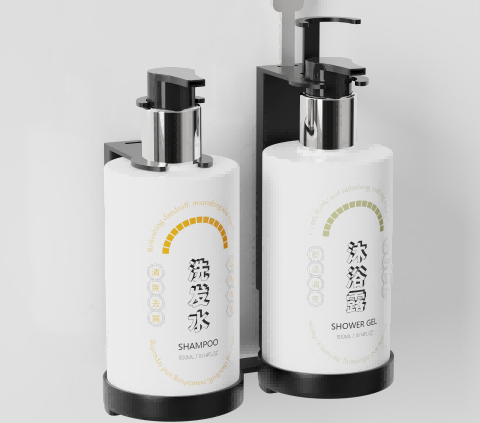
The Unsung Hero of Modern Travel: A Deep Dive into What Your Hotel’s Soap Dispenser Reveals About the New Era of Global Tourism
Welcome, discerning travelers and industry watchers. As we navigate the complex landscape of post-pandemic international travel, it’s clear that the industry isn’t just recovering; it’s undergoing a fundamental metamorphosis. The traveler of today is a new breed—more health-conscious, environmentally aware, digitally savvy, and value-driven than any generation before.
We track these shifts through macro-trends: the explosive growth of “bleisure” (business + leisure) trips, the thirst for hyper-local and authentic experiences, and the demand for flexible cancellation policies. Yet, to truly understand the depth of this transformation, we must sometimes look at the smallest, most mundane details of the guest experience. Often, it is these micro-elements that carry the most significant symbolic weight.
And so, we turn our attention to an object so commonplace it has become almost invisible: the hotel bathroom soap dispenser.
The journey from the individually wrapped, miniature soap bar and single-use shampoo bottle to the fixed, refillable, wall-mounted dispenser is more than a simple operational switch. It is a profound narrative, a silent communication strategy, and a powerful symbol of the four dominant forces reshaping the global hospitality industry. This is not just a story about soap; it’s a story about safety, sustainability, smart economics, and the very meaning of modern luxury.
- The Hygiene Revolution: From “Clean” to “Certifiably Safe”
The most immediate and visceral change in travel psychology has been the hyper-focus on cleanliness and hygiene. A hotel’s cleanliness was always a factor; now, it is the non-negotiable entry ticket. The World Travel & Tourism Council’s “Safe Travels” stamp became a coveted badge, signifying a new standard of operational protocol. This shift has permanently altered guest expectations and the sensory cues they look for.
The Psychology of the Miniature Bar: Let’s deconstruct the traditional miniature soap bar. It was, in its heyday, a symbol of convenience and personal care. However, through the lens of a post-2020 traveler, its meaning has flipped. An unwrapped bar on the sink can trigger questions: *Who else has touched this? Was the room truly deep-cleaned, or just superficially tidied?* The very tangibility of a shared, solid object in a wet environment now subconsciously signals a potential vector for germs. The individually wrapped bar is slightly better but generates visible waste, and the act of unwrapping it breaks the seamless, “sanitized” experience many now crave.
The Dispenser as a “Safe Zone”: Enter the wall-mounted, refillable dispenser. This object is a masterpiece of modern hygiene signaling. Its design is often sleek, minimalist, and touch-friendly. More importantly, its mechanism is perceived as sealed and professionally managed. The guest isn’t interacting with a product that could have been tampered with by the previous occupant; they are accessing a centralized, clean source. The liquid soap itself—often clear, branded, and of a specific scent—further reinforces the message of controlled, high-quality hygiene. It’s a touch-point that says, “We have eliminated unnecessary points of contact and potential contamination. Your safety is our system, and this dispenser is part of that engineered solution.”
This aligns perfectly with the “contactless” trend, extending from mobile check-ins to digital keys. The dispenser is part of a suite of features that minimize physical interaction, providing peace of mind that has become a valuable new currency in travel.
- The Sustainability Imperative: Beyond Greenwashing to Genuine Action
The modern traveler is increasingly an eco-conscious citizen. The phenomenon of “flygskam” (flight shame) and a growing awareness of the climate crisis have pushed sustainability from a niche interest to a mainstream demand. Travelers are actively seeking ways to offset their environmental footprint, and they expect the businesses they patronize to do the same. The war on single-use plastics is a pivotal front in this battle.
The Environmental Cost of “Miniature Luxury”: The math is staggering. A 500-room hotel using miniature bottles can go through hundreds of thousands of them annually. These tiny plastic containers, often only half-used, contribute massively to landfill waste and ocean pollution. They are a highly visible symbol of the throwaway culture that the conscious traveler is now rejecting. For hotels, this created a dual problem: escalating costs for these procured items and growing guest criticism, often vocalized on social media and review platforms.
The Dispenser as a Circular Economy Statement: The shift to bulk dispensers is one of the most effective and visible sustainability initiatives a hotel can undertake. By installing a high-quality system, a hotel can reduce its plastic waste from bathroom amenities by up to 80-90% annually. This is a tangible, measurable outcome that resonates powerfully with a key demographic, particularly Millennials and Gen Z.
But the sustainability story goes deeper than just the package. Forward-thinking hotels are partnering with amenity brands that practice ethical sourcing, use organic or natural ingredients, and employ closed-loop manufacturing processes. The dispenser itself becomes the vessel for a broader ethical statement. It tells a story: “We are not just reducing waste; we are thoughtfully considering our entire supply chain. Your choice to stay with us is a choice to support a more responsible model of tourism.” This transforms a routine action like washing hands into a small, participatory act of environmental stewardship, enhancing the guest’s sense of purpose and alignment with the brand’s values.
- The Redefinition of Luxury: From Opulence to Conscious Curation
The very definition of luxury in hospitality has been radically rewritten. The old paradigm of marble floors, gold fixtures, and an abundance of “free” disposable items is giving way to a new ethos. Contemporary luxury is about authenticity, well-being, personalized experiences, and intelligent, purposeful design. It is less about having more and more about experiencing better.
The Miniature Bottle: A Symbol of Outdated Opulence: In the 1980s and ’90s, those tiny bottles from prestigious brands like Hermès or Bvlgari were a powerful status symbol. They were tangible takeaways, proof of an expensive night’s stay. Today, to a growing number of travelers, they can signal the opposite: a brand stuck in the past, oblivious to its environmental impact, and prioritizing a superficial show of wealth over substantive quality.
The Dispenser as a Design-Led, Conscious Choice: A well-executed dispenser system is the antithesis of that outdated model. It represents a “quieter” form of luxury. The luxury of thoughtfulness. The luxury of a clutter-free, serene bathroom environment. The luxury of a product that is so high-quality you are encouraged to use it generously, not hoard it as a souvenir.
The design of the dispenser itself is crucial. Cheap, flimsy, industrial-looking units can feel institutional and undermine the luxury message. However, hotels that invest in custom-designed, beautifully crafted dispensers—made from materials like ceramic, brushed metal, or reclaimed wood—elevate the entire experience. They signal that every detail has been considered, that the aesthetic is cohesive, and that the brand’s commitment to quality is unwavering. The amenity inside is no longer a branded afterthought but a curated element of the hotel’s identity, whether it’s a locally made, bespoke scent or a scientifically formulated, vegan-friendly product. This is the new luxury: seamless, sustainable, and deeply personal.
- The Economic and Operational Engine: Efficiency and Brand Loyalty
Beneath the surface-level narratives of safety and sustainability lies a powerful economic engine. The decision to adopt dispensers is, undeniably, a smart financial one, but its benefits extend far beyond simple cost-cutting.
The Real Cost of “Free”: While miniature bottles appear to be a standard operating expense, their true cost is multifaceted. There’s the direct procurement cost, which is high per unit. Then there’s the labor cost: housekeeping staff spend a significant amount of time counting, stocking, and disposing of these bottles. There’s the storage cost, the waste management cost, and the opportunity cost of staff time that could be redirected to more value-added tasks, such as deeper cleaning or guest interaction.
The Dispenser as an Operational Powerhouse: A bulk amenity system streamlines all of this. While the initial investment in hardware is higher, the long-term savings are substantial. Purchasing soap and shampoo in large, sealed containers drastically reduces the cost per milliliter. It simplifies the supply chain, reduces storage space needs, and significantly speeds up the housekeeping process. A staff member can quickly check and refill a dispenser in seconds, a task far more efficient than unwrapping and placing new miniatures.
Furthermore, this operational efficiency directly impacts the guest experience. A more streamlined cleaning process can lead to more consistent room readiness and potentially even earlier check-in times. It also reduces the risk of “out-of-stock” situations, ensuring every guest has the same quality experience. From a branding perspective, it fosters loyalty. A guest who chooses a hotel specifically for its sustainability practices is more likely to return and become a brand advocate. In this light, the soap dispenser transforms from a cost center into a strategic tool for driving efficiency, enhancing guest satisfaction, and building long-term brand equity.
Conclusion: The Soap Dispenser as a Microcosm of Macro Trends
The humble soap dispenser, therefore, is anything but trivial. It is a concentrated point where the most significant trends in global tourism converge. It is a health artifact, embodying the new standards of safety and hygiene. It is a sustainability pledge, reflecting the industry’s and the traveler’s growing environmental accountability. It is a design statement, signaling the shift towards a more conscious, curated, and authentic form of luxury. And finally, it is an economic lever, driving operational efficiency and fostering a new kind of value-based brand loyalty.
The next time you check into a hotel—be it a boutique eco-lodge or a major international chain—pause for a moment when you enter the bathroom. Look at that dispenser. Its presence, its design, its content, and its functionality are all communicating with you. They are telling you a story about the hotel’s values, its understanding of the modern world, and its commitment to your experience as a 21st-century traveler.
It turns out that the pulse of the global travel industry’s recovery and evolution isn’t found only in corporate reports or tourism statistics. Sometimes, the most insightful analysis is reflected back at you from a simple, silent, and profoundly significant object on the bathroom wall.
What are your thoughts? Has the presence of a dispenser ever positively or negatively influenced your perception of a hotel? Do you see it as a mark of sustainability or a reduction in service? Join the conversation in the comments below.