Posts

Plastic vs. Stainless Steel Soap Dispensers: How to Choose the Right Material for Your Clients

—A Complete Selection Guide for Hoteliers, Facility Managers, and Procurement Professionals

Introduction

When outfitting a hotel, restaurant, or commercial facility, few decisions seem as minor as choosing a soap dispenser. Yet this seemingly small choice carries significant implications for durability, hygiene, brand image, and long-term operating costs. Walk into any upscale hotel lobby, and you will notice the soap dispenser is not an afterthought—it is a deliberate design element that communicates quality. Step into a high-traffic airport restroom, and the dispenser’s ability to withstand constant use becomes paramount.

At Leekong, we manufacture both plastic and stainless steel soap dispensers, serving clients ranging from Marriott and H World Group to Hunter and The Guest Supply. This dual-production capability gives us a unique vantage point: we understand the strengths and trade-offs of each material intimately. This guide will help you navigate the selection process, matching the right material to the right scenario based on durability, aesthetics, cost, and brand positioning.

Part 1: Stainless Steel Soap Dispensers—Durability Meets Elegance

1.1 The Gold Standard for Commercial Durability

Stainless steel soap dispensers, particularly those made from 304-grade alloy, are the industry benchmark for heavy-duty performance. Unlike plastic, which can crack, fade, or warp over time, stainless steel maintains its structural integrity even in the most demanding environments . Tests show stainless steel models outlast plastic alternatives by 5 to 8 years on average .

This longevity is rooted in the material’s properties:

Corrosion Resistance: Grade 304 stainless steel contains chromium and nickel, forming a passive layer that resists rust and corrosion even in persistently humid bathroom environments . This makes it ideal for showers, pool areas, and coastal properties where moisture is constant.

Impact Resistance: Stainless steel withstands accidental knocks, cleaning cart collisions, and even vandalism attempts far better than plastic. For public restrooms in airports, train stations, or stadiums, this durability is non-negotiable.

Scratch and Stain Resistance: The material resists scratches from daily cleaning and does not absorb soap residues, maintaining a pristine appearance that plastic units lose over time .

1.2 Hygiene Advantages

In settings where sanitation is critical—hospitals, healthcare facilities, and high-end hotels—stainless steel offers hygiene benefits plastic cannot match. Its non-porous surface prevents bacterial growth and is easily cleaned with a simple wipe . Plastic surfaces, by contrast, develop micro-abrasions over time that become breeding grounds for bacteria, and they tend to absorb soap residues, leading to discoloration and odors if not cleaned regularly .


For hotel guests who equate cleanliness with quality, a stainless steel dispenser sends a powerful message: this establishment cares about hygiene at every touchpoint.

1.3 Aesthetic Appeal and Design Flexibility

Stainless steel offers a sleek, modern look that complements contemporary and classic interiors alike. The brushed finish resists fingerprints and smudges, keeping dispensers looking professional with minimal maintenance .

Beyond the classic brushed look, stainless steel supports multiple surface treatments:

Finish Effect Best For
Brushed Understated, scratch-resistant High-use commercial restrooms
Mirror-polished High-gloss, luxurious Luxury hotels, spas
Matte Black Bold, modern contrast Boutique hotels, masculine interiors
Rose Gold/Copper Warm, sophisticated Boutique hotels, upscale bathrooms
Brushed Bronze/Gunmetal Premium, textured High-end Commercial spaces

This design versatility means stainless steel soap dispensers can be tailored to match virtually any interior design scheme, from minimalist to opulent .

1.4 Customization and Low MOQ

One often-overlooked advantage of stainless steel is its suitability for low-volume customization. Unlike plastic injection molding, which requires expensive molds and high minimum order quantities (often 3,000-5,000 units), stainless steel dispensers can be produced with lower MOQs. Custom laser engraving of logos, custom finishes, and unique designs are feasible even for boutique hotel projects with relatively small orders.

At Leekong, we regularly produce custom stainless steel soap dispensers for clients with MOQs as low as 100-500 units, making this material accessible for independent hotels and smaller chains that still demand premium quality.

1.5 Considerations

Stainless steel dispensers come with a higher upfront cost compared to plastic equivalents. They are also heavier, requiring secure wall mounting to ensure safety . For facilities where budget is the primary constraint or where lightweight portability is needed, these factors may tilt the decision toward plastic.

Part 2: Plastic Soap Dispensers—Affordability and Versatility

2.1 Lightweight and Cost-Effective

Plastic soap dispensers—typically made from ABS or polypropylene (PP)—offer a compelling value proposition for budget-conscious projects. The material is inexpensive, lightweight, and easy to install, making it the go-to choice for facilities with limited procurement budgets or where dispensers need frequent relocation .

For large-scale deployments—think chain hotels with hundreds of rooms, office buildings with dozens of restrooms, or school districts with multiple campuses—the cost savings of plastic can be significant. A plastic dispenser typically costs one-third to one-half of a comparable stainless steel unit, allowing procurement teams to allocate budget elsewhere.


2.2 Color Variety and Design Flexibility

Plastic offers a design flexibility that stainless steel cannot match. ABS plastic can be molded into virtually any shape and produced in virtually any color . This makes plastic dispensers ideal for:

lMatching specific brand color palettes

lCreating playful designs for children’s areas

lOffering seasonal or promotional color variations

lAchieving organic or unconventional shapes not feasible in metal

Metallic-effect finishes on plastic dispensers can even mimic the look of metal at a fraction of the cost , though these finishes may not be as durable over time.

2.3 Ideal for High-Volume Procurement

For large hospitality chains purchasing dispensers by the thousands, plastic is often the practical choice. The combination of low unit cost, abundant supply, and rapid production makes plastic dispensers the standard for mid-range and economy hotel segments.

Major hotel groups frequently standardize on plastic soap dispensers for guest rooms, reserving stainless steel for public areas where appearance and durability are paramount . This tiered approach optimizes costs while maintaining quality where it matters most.

2.4 Considerations

Plastic dispensers have limitations that buyers should weigh carefully:

lDurability: Plastic is more susceptible to scratches, fading from UV exposure, cracking from impact, and damage from harsh cleaning chemicals . In high-traffic environments, plastic dispensers may need replacement every 2-3 years—while a stainless steel unit could last a decade .

lHygiene: Microscopic scratches on plastic surfaces can harbor bacteria, and some plastics may absorb soap residues, leading to discoloration and odors over time .

lPerception: Plastic lacks the premium feel of stainless steel. For luxury hotels and upscale restaurants, plastic dispensers may undermine the brand image the establishment seeks to project.The Plastic That Came from War: A Story of Oil, Dispensers, and Lost Connections

lEnvironmental Impact: Plastic dispensers contribute to plastic waste, particularly if frequently replaced. This is an increasingly important consideration as hotel chains commit to ESG goals and sustainability targets .

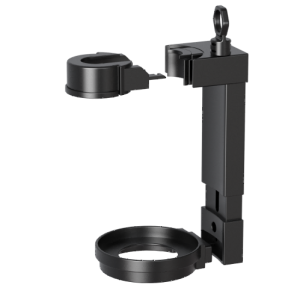
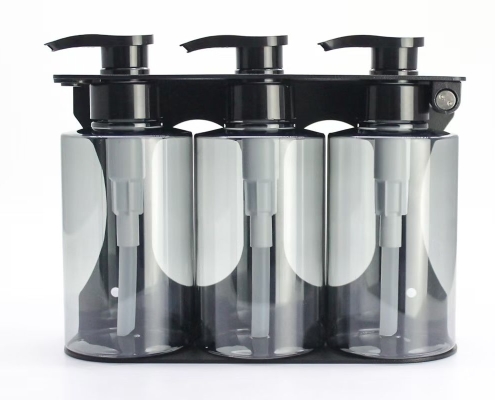
Adjustable magnetic ABS soap liquid dispenser

Part 3: Head-to-Head Comparison

Dimension Stainless Steel Plastic
Durability ★★★★★ (8-10+ years) ★★★☆☆ (2-4 years)
Hygiene ★★★★★ Non-porous, easy to sanitize ★★★☆☆ May harbor bacteria in scratches
Aesthetics ★★★★★ Premium, professional ★★★☆☆ Functional, can mimic metal
Custom Color ★★★☆☆ Limited to finishes ★★★★★ Unlimited colors
Cost ★★☆☆☆ Higher upfront ★★★★★ Lower upfront
Customization MOQ ★★★★★ Low MOQ possible ★★☆☆☆ High MOQ for custom molds
Recyclability ★★★★★ Fully recyclable ★★☆☆☆ Limited, downcycling
Best For Luxury hotels, public spaces, healthcare Mid-range hotels, offices, schools

Part 4: Selection Guide by Scenario

4.1 Luxury Hotels and Resorts

Recommendation: Stainless Steel

For five-star properties and boutique hotels where brand image is paramount, stainless steel is the clear winner. The material’s premium feel, longevity, and hygiene benefits align perfectly with the elevated guest expectations in this segment . Available in multiple finishes—brushed, polished, matte black, rose gold—stainless steel dispensers can be matched to each property’s unique design language .

Guest rooms in luxury hotels: Opt for brushed stainless steel with laser-engraved hotel logos. Capacity of 300-400ml balances aesthetics with practical housekeeping needs .

Public restrooms: 304 stainless steel with 800-1000ml capacity. Sensor-activated models eliminate cross-contamination risk and project technological sophistication .

4.2 Mid-Range and Economy Hotels

Recommendation: Tiered Approach—Stainless Steel for Public Areas, Plastic for Guest Rooms

For three-star and budget hotel chains, procurement budgets are tighter. A tiered approach delivers the best value: premium stainless steel in public areas (lobby restrooms, restaurant washrooms) where guest impressions are formed, and cost-effective plastic dispensers in guest rooms where aesthetics are less critical .

Guest rooms: High-quality ABS plastic in hotel brand colors. 300-400ml capacity. Replace every 3-4 years.

Public areas: Stainless steel (brushed finish) to withstand high-frequency use and project quality.

4.3 Restaurants and Cafés

Recommendation: Depends on Segment

Fine dining and upscale restaurants: Stainless steel. The dispenser should reflect the restaurant’s attention to detail and quality.

Fast-casual and quick-service chains: Plastic. Lightweight, available in brand colors, and cost-effective for high-volume procurement. Manual plastic dispensers are particularly cost-efficient for these settings .

4.4 Healthcare Facilities

Recommendation: Stainless Steel

Hospitals, clinics, and assisted living facilities require the highest hygiene standards. Stainless steel’s non-porous surface and easy sanitization make it the only appropriate choice for these germ-sensitive environments . Sensor-activated models are strongly recommended to eliminate touchpoints.

4.5 Offices and Corporate Buildings

Recommendation: Both Options Viable


  • Executive floors and reception areas:Stainless steel to project professionalism.
  • Employee restrooms: Plastic dispensers (ABS) in neutral colors. Manual pump models are cost-effective and reliable for medium-traffic settings .

4.6 Schools and Educational Institutions

Recommendation: Plastic

Durability is important, but budget constraints and the need for frequent replacements make plastic the practical choice for schools. The availability of bright, fun colors is an added benefit for children’s facilities. Choose impact-resistant ABS plastic and consider manual (rather than sensor) models to minimize maintenance costs .

4.7 High-Traffic Public Spaces

Recommendation: Stainless Steel

Airports, train stations, shopping malls, and stadiums see thousands of users daily. Only stainless steel can withstand this level of wear and tear . The material’s resistance to vandalism and corrosion in these challenging environments makes it the default choice. Sensor-activated, large-capacity (1000ml+) models are recommended.

Part 5: Leekong’s Dual-Production Advantage

At Leekong, we believe the best recommendation is one that matches your specific needs—not one that pushes a single product line. That is why we maintain full production capabilities for both stainless steel and plastic soap dispensers.

Our stainless steel line serves clients requiring premium quality, durability, and design sophistication. We offer multiple finishes, custom laser engraving, and low MOQs that make custom stainless steel accessible to boutique hotels and independent projects.

Our plastic line delivers cost-effective solutions for large-scale deployments. We offer a wide range of colors, custom branding via silk-screening or UV transfer, and the production capacity to fulfill large-volume orders.

Our partnership with Marriott, H World Group, Hunter, and The Guest Supply reflects our ability to meet the rigorous quality standards of global hospitality leaders across both material types. Whether you are outfitting a five-star resort or a budget hotel chain, we have the expertise and production capability to deliver.

Our Commitment

Design support: From initial concept to 3D modeling and prototyping

Customization: Logo application, custom colors, unique finishes, tailored packaging

Quality assurance: ISO 9001-certified production with rigorous quality control

Global compliance: CE, RoHS, and FDA-compliant materials

Flexible MOQs: From small boutique runs to large-scale chain procurement

Conclusion

The choice between plastic and stainless steel soap dispensers is not about which is “better”—it is about which is right for your specific project. Stainless steel excels in premium environments where durability, hygiene, and brand image are paramount. Plastic offers affordability, color variety, and efficiency for large-scale deployments.

By evaluating your project’s usage frequency, budget, and brand positioning, you can make a confident selection. And with Leekong’s dual-production capability, you have a partner who can deliver whichever solution you choose—or both.

Ready to select the perfect soap dispenser for your project? Contact Leekong to discuss your requirements. Our team will help you weigh the options and find the ideal material for your specific needs.

The Ultimate Guide to Sourcing & Selling Soap Dispensers in 2026: Trends, Materials, and Post-Holiday Strategies

Back to work after Chinese New Year? Discover how to choose the right soap dispensers for hotels, homes, and businesses. Explore 2026 trends in materials, touch-free technology, and refillable systems.

Introduction: A Fresh Start for a Clean Industry

It’s officially one week since we wrapped up the Chinese New Year holiday. The red envelopes have been put away, the firecrackers have faded into memory, and here at Leekong, our production lines are running at full capacity again.

This first week back is always a telling one. It sets the tone for the year ahead. We’ve been busy catching up on orders, checking inventory, and—most importantly—listening to what our clients around the world are asking for.

One thing is clear: the humble soap dispenser is having a moment.

No longer just a functional necessity, it has become a statement piece in interior design, a frontline defender in hygiene protocols, and a crucial touchpoint for branding in hotels and restaurants.

Whether you’re a hotel procurement manager stocking up for the season, a retail buyer looking for the next best-seller, or a homeowner wanting to upgrade your space, this guide will walk you through everything you need to know about sourcing and selling soap dispensers in 2026.

Part 1: Understanding the 2026 Market Landscape

The Post-Holiday Supply Chain Reality

As we mentioned in our welcome-back emails, the week following a major holiday like Chinese New Year is a critical window. Factories are ramping up, but so is demand. If you’re planning a large order—whether for custom-branded bottles or bulk commercial units—now is the time to act.

Why?

– Raw Material Availability: Suppliers of plastic resins, glass, and stainless steel are also just getting back to full speed.

– Production Slot Booking: The first quarter of the year often sees a rush of orders. Securing your production slot early ensures you’re not caught in the summer shipping delays.

The Shift Toward “Hygiene-Conscious” Design

Globally, consumers and businesses are more aware of cross-contamination than ever before. This has permanently shifted the design priorities for soap dispensers.

– In Commercial Settings: Touch-free is no longer a luxury; it’s an expectation. Office buildings, airports, and high-end restaurants are moving away from manual pumps to sensor-based systems to reduce the spread of germs.

– In Homes: While manual pumps are still dominant, there’s a growing niche for automatic dispensers in kitchens, especially for handling raw meat and needing to wash hands without touching a dirty pump.

Part 2: Deep Dive into Materials & Durability

Choosing a soap dispenser isn’t just about looks. The material determines its lifespan, its feel, and its price point. Here’s a detailed breakdown:

  1. The Pump: The Heart of the Dispenser

The pump mechanism is the most common failure point. A cheap pump ruins the entire user experience.

– Plastic Springs & Valves: Common in very low-cost units. They are lightweight and cheap but prone to corrosion from liquid soap and fatigue after a few hundred uses. If you’re sourcing for a high-traffic area, avoid these.

– Stainless Steel Springs: The industry standard for mid-to-high range dispensers. Resists rust and maintains tension over thousands of presses.

– All-Metal Exterior Pumps: This is where you see the “luxury feel.” A pump with a zinc alloy or brass body, finished in chrome or matte black, feels solid and weighty. It tells the user “this is quality.” For boutique hotels and luxury retail, this is a must.

  1. The Bottle: Form Meets Function

– Plastic (PET/ABS/HDPE):

– Pros: Lightweight, shatterproof, cheap for shipping.

– Cons: Can feel cheap, may become cloudy over time with certain chemicals.

– Best For: Budget hotels, gyms, promotional giveaways, and travel sizes.

– Glass (Clear/Frosted/Colored):

– Pros: Premium feel, heavy, doesn’t interact with the soap (no chemical taste), highly recyclable.

– Cons: Heavy (higher shipping cost), breakable.

– Best For: High-end home decor, boutique hotels, Airbnb hosts, luxury spas.

– 2026 Trend: Frosted glass with custom labeling is exploding. It hides water spots and gives a spa-like aesthetic.

– Ceramic:

– Pros: Extremely decorative, heavy, holds temperature (cool to the touch).

– Cons: Very heavy, fragile, expensive to mold into unique shapes.

– Best For: High-end retail, decorative home accents, rustic or artisanal-themed hotels.

Part 3: 2026 Color & Design Trends

As we analyze the orders and inquiries coming in this first week back, here’s what’s trending for the year:

The Rise of “Quiet Luxury”

Forget flashy gold and overly ornate designs. The trend is toward clean lines and muted tones.

– Matte Black: Still dominating the market. It doesn’t show fingerprints as badly as chrome and looks incredibly modern in both kitchen and bathroom settings.

– Brushed Nickel & Champagne Gold: A softer alternative to polished gold. It adds warmth without being too flashy.

– Earth Tones: Terracotta, olive green, and warm beige. These colors are being paired with ceramic bottles to create a natural, grounded look in home decor.

– Transparent Amber/Cobalt Blue:** Clear glass is classic, but colored transparent glass is becoming a favorite for kitchen dispensers. It protects the soap from light degradation (if using natural soaps) and adds a pop of color.

Texture is Key

Smooth surfaces are standard, but textured finishes are gaining ground.

– Ribbed Glass: Adds grip and visual interest.

– Matte Finish Ceramic: Soft to the touch, reduces glare.

– Leather Accents: Some high-end dispensers are incorporating leather straps or bases for a unique, handcrafted look.

Part 4: Touch-Free Technology: The Technical Specs You Need to Know

If you’re considering adding automatic soap dispensers to your lineup, whether for commercial or retail, here’s what separates a good sensor dispenser from a frustrating one.

  1. Sensor Response Time

A slow sensor leads to double-dipping or user frustration. Look for dispensers with an infrared sensor response time of less than 0.25 seconds. The dispense should feel instantaneous.

  1. IP Rating (Water Resistance)

In a wet bathroom environment, electronics need protection.

– IPX4: Splash-proof. Minimum standard for a bathroom dispenser.

– IPX6 or Higher: Can withstand powerful water jets. Good for commercial settings where the unit might get hosed down during cleaning.

  1. Adjustable Dispense Amount

Different soaps have different viscosities (thin liquid soap vs. thick foam). A quality automatic dispenser should allow you to adjust the amount of soap dispensed per cycle, usually via a dial inside the battery compartment. This prevents waste and ensures users get enough soap.

  1. Battery Life vs. USB Rechargeable

– Battery-Powered: Standard, easy to replace. Look for units that use standard AA or AAA batteries.

– USB Rechargeable: The newer trend. A built-in lithium battery that can be charged via USB-C. This is more environmentally friendly (no disposable batteries) and is a strong selling point for eco-conscious consumers.

Part 5: Sustainability & Refillable Systems

The conversation around plastic waste is only getting louder. As a supplier or retailer, offering sustainable options is no longer optional.

The “Refillable” Movement

Instead of throwing away a bottle every time it’s empty, consumers want to keep the beautiful dispenser and just refill it.

– Wide Mouth Openings: If you’re designing a private label dispenser, make sure the mouth is wide enough to easily refill without a funnel. A 1.5-inch to 2-inch opening is ideal.

– Durable Construction: The bottle must be sturdy enough to withstand repeated handling. A thin glass bottle that feels fragile will not inspire confidence for long-term use.

Sourcing Eco-Friendly Materials

– Recycled Glass: Using cullet (recycled glass) in manufacturing reduces energy consumption. It’s a great story to tell your customers.

– Bamboo: Bamboo tops and bases are becoming popular as a renewable resource alternative to plastic. They bring a natural, warm element to the bathroom.

– Biodegradable Packaging: Don’t forget the outer box! Using recycled cardboard for your product packaging aligns with the values of the end consumer.

Part 6: Marketing Tips for Your Soap Dispensers

Once you have the perfect product, how do you sell it?

For B2B Sellers (Hotels, Restaurants, Offices):

– Focus on Total Cost of Ownership (TCO): A cheap dispenser that breaks in 3 months costs more in maintenance and guest frustration than a quality one that lasts 3 years.

– Offer Customization: Can you laser-engrave the hotel logo on the bottle? Can you match the pump finish to the hotel’s faucets? This is a huge value-add.

– Highlight Hygiene Compliance: If selling touch-free units, provide data on how they reduce bacterial cross-contamination compared to manual pumps.

For B2C/Retail Sellers:

– Create “Sets”: Bundle a soap dispenser with a matching toothbrush holder, lotion pump, and tissue box cover. This increases average order value.

– Leverage User-Generated Content (UGC): Encourage customers to post photos of your dispensers in their beautiful kitchens and bathrooms. Repost this content on your social media.

– Tell the Material Story: Don’t just say “glass bottle.” Say “This is made from thick, premium frosted glass with a corrosion-resistant stainless steel pump, ensuring it looks beautiful on your countertop for years.”

Conclusion: Your Partner for 2026

As we settle into this productive new year, our mission remains the same: to provide you with high-quality soap dispensers that elevate your brand and delight your customers.

The holiday is over, the workshops are running, and we are ready for you.

Whether you need:

– Bulk stock for an upcoming hotel opening,

– Custom samples for a new product line, or

– Guidance on which materials suit your target market best,

We are just an email away.

Let’s make this year the cleanest, most stylish one yet.

Wishing you a fantastic Friday and a prosperous year ahead!


Rita

Sales Manager

China Leekong Bathroom Supplies Co., Limited

www.Chinasoapdispenser.com

sales@leekong.cn

Leekong Hotel bathroom soap dispenser manufacturer, accepts ODM&OEM and unique customization services

The End of the $800 De Minimis Rule: What It Means for Businesses, Hotels, and Consumers Introduction

Former U.S. President Donald Trump announced plans to terminate the de minimis rule, which allowed imported goods valued under $800 to enter the U.S. without tariffs or extensive customs scrutiny. This policy change has far-reaching implications for businesses, particularly those reliant on low-cost imports—such as hotels stocking soap dispensers and other amenities.

The change to the “de minimis” exemption was first implemented on goods from the Chinese mainland and Hong Kong in May, as China is the largest source of these shipments.

Low-cost online stores like Shein and Temu, both extremely popular with shoppers in the US and worldwide, were among those that would likely be directly affected, warned Z. John Zhang, a professor of marketing at the Wharton School of the University of Pennsylvania.

But Zhang told China Daily that the recent rule change will also hit many other businesses in China that do business with the US, as it’s “not just fast fashion in this case, it’s really all kinds of goods under the value of $800”.

This policy has had an impact on many manufacturers in China, such as Leekong, a Chinese manufacturing tycoon whose company supplies millions of soap dispensers to American hotels. With the de minimis loophole closed, businesses like his will face higher costs, logistical hurdles, and potential shifts in supply chains.

In this blog post, we’ll explore:

– The history and purpose of the de minimis rule

– Why Trump moved to eliminate it

– The impact on hotels, soap dispenser suppliers, and manufacturers like Leekong

– Alternative strategies for businesses to adapt

  1. What Was the De Minimis Rule?

The de minimis threshold (Latin for “minimal things”) allowed shipments valued at less than $800 to enter the U.S. tax-free and with minimal customs checks. Established under the Trade Facilitation and Trade Enforcement Act of 2015, this rule was designed to:

– Speed up e-commerce deliveries (e.g., Amazon, AliExpress, Wish)

– Reduce administrative burdens on small businesses and customs

– Encourage cross-border trade, particularly from China

For years, companies—especially those importing small, low-cost items like soap dispensers, toiletries, and electronics—relied on this rule to keep costs low.

Key Impacts of the De Minimis Rule Termination

  1. E-Commerce & Small Businesses

Higher Costs for Consumers: Online shoppers will pay $80–$200 extra per international order.

Small Businesses Squeezed: U.S. and Canadian sellers (e.g., Etsy shops) lose cost advantages, facing new paperwork and delays.

Chinese E-Commerce Giants Hit: Temu and Shein, which relied on direct-to-consumer shipping, must restructure supply chains or absorb 54–120% tariffs.

  1. Hotels & Soap Dispenser Suppliers

Bulk Importers Face Tariffs: Hotels sourcing cheap soap dispensers, toiletries, and linens from China will see 25%+ cost increases.

Supply Chain Shifts: Manufacturers like Lee Kong may relocate production to Vietnam or Mexico to avoid tariffs.

  1. Global Trade & Geopolitical Fallout

China’s Export Model Disrupted: The $800 loophole was a key enabler of China’s “white-label” e-commerce boom.

U.S. Inflation Risks: Low-cost goods (e.g., $7 T-shirts, $60 board games) will become more expensive.

Trade War Escalation: The move intensifies U.S.-China tensions, alongside existing 24% suspended tariffs.

  1. Why Did Trump End It?

Trump’s decision to scrap the $800 exemption aligns with his broader “America First” trade policies, including:

– Tariffs on Chinese goods (starting in 2018)

– Crackdown on customs loopholes that benefited foreign manufacturers

– Encouraging domestic production over reliance on imports

Key Reasons for Termination:

Preventing Abuse: Many Chinese sellers (including Leekong’s soap dispenser empire) exploited the rule by shipping bulk orders in small, separate packages to avoid tariffs.

Protecting U.S. Manufacturers: Domestic producers argued that the rule gave foreign competitors an unfair advantage.

Revenue Generation: The U.S. government loses billions in potential tariffs annually due to de minimis exemptions.

  1. Impact on Hotels & Soap Dispenser Suppliers
  2. Higher Costs for Hotels

Hotels rely on cheap, bulk-purchased amenities—soap dispensers, shampoos, towels—often imported from China. Without the $800 exemption:

– Prices per unit will rise (due to tariffs + customs fees)

– Supply chain delays (more inspections = slower deliveries)

– Possible switch to domestic suppliers (but at higher costs)

Case Study: Leekongs Soap Dispenser Business  

Leekong’s company supplies millions of soap dispensers to U.S. hotels annually. Under the old rule, he could ship hundreds of small packages tariff-free. Now:

– Each shipment may incur 25%+ tariffs (Trump’s China rates)

– Profit margins shrink, forcing price hikes

– Competitiveness drops vs. U.S.-made alternatives

  1. Shift in Supply Chains

Some businesses may:

– Relocate production to tariff-exempt countries (Vietnam, Mexico)

– Stockpile inventory before full policy enforcement

– Invest in automation to offset rising costs

  1. How Businesses Can Adapt
  2. Alternative Sourcing Strategies

– Nearshoring: Partner with Mexican or Central American suppliers.

– Diversify Suppliers: Avoid over-reliance on China (e.g., look to India, Thailand).

– Bulk Shipping: Consolidate orders to reduce per-unit tariffs.

  1. Lobbying & Policy Influence

– Industry groups (e.g., American Hotel & Lodging Association) may push for exemptions.

– Legal challenges could delay enforcement.

  1. Passing Costs to Consumers  

– Hotels may charge higher rates or cut back on free amenities.

– E-commerce sellers (Amazon, eBay) will raise prices.

  1. Conclusion: A New Era for Trade

The end of the $800 de minimis rule marks a significant shift in U.S. trade policy—one that benefits domestic manufacturers but strains import-dependent businesses. For hotels, soap dispenser suppliers like Lee Kong, and e-commerce sellers, adaptation is crucial.

Will companies absorb the costs, pass them to consumers, or relocate production? Only time will tell. One thing is certain: global trade will never be the same.

Final Thoughts

In fiscal year 2024, $64.6 billion worth of goods in over 1.36 billion small shipments were utilized de minimis, according to Yale University and US Customs and Border Protection.

Now, all countries that send items to US customers or businesses outside of the international postal network will be subject to the rule change starting on Aug 29, Trump’s executive order stated on Wednesday. Trump’s de minimis termination reshapes global e-commerce, forcing businesses to rethink supply chains, pricing, and market strategies. While it protects U.S. manufacturers, consumers and small importers face higher costs and delays.

Will this policy backfire by fueling inflation? Or will it successfully bring manufacturing back to America? The answer may determine its political and economic legacy.

– For consumers: Expect higher prices on small imported goods.

– For businesses: Rethink supply chains and pricing strategies.

– For policymakers: Balance protectionism with economic efficiency.

What do you think? Will killing the de minimis rule help or hurt the U.S. economy? Let’s discuss in the comments!

Think of the most mundane object in your hotel bathroom. Chances are, the hotel soap dispenser springs to mind. Yet, this unassuming fixture holds a surprisingly rich history, silently charting the course of the hospitality industry itself. Its journey from purely functional necessity to a carefully curated element of the guest experience is a fascinating reflection of changing priorities, technology, sustainability concerns, and the relentless pursuit of comfort. Let’s trace this evolution.

The Era of Function & Frugality (1960s – 1980s): The Institutional Standard

  • The Problem: Communal soap bars. Unhygienic, messy, wasteful (partially used bars discarded), and prone to theft. Hotels needed a better solution.

  • The Solution: Enter the wall mounted dispenser. Early models were purely utilitarian:

    • Material: Durable, often industrial-grade plastic (ABS) or metal (stainless steel).

    • Design: Simple, boxy shapes. Function reigned supreme.

    • Mechanism: Basic push-button or lever action dispensing generic liquid soap, sometimes diluted.

    • Focus: Cost-efficiency, hygiene, and reducing waste (compared to bars) were paramount. The dispenser was an anonymous workhorse, blending into the tiled background. Its presence screamed “institutional efficiency,” common in motels and budget chains.

  • Hotel Context: This era prioritized standardization, volume, and operational cost control. The bathroom was purely functional, not a space for indulgence. The dispenser embodied this perfectly.

The Rise of Branding & Basic Comfort (1980s – Late 1990s): A Touch of Identity

  • The Shift: As competition increased, hotels began to see the bathroom as part of the brand experience, albeit minimally.

  • Dispenser Evolution:

    • Material: Plastics became slightly less industrial, perhaps in softer colors (white, beige).

    • Design: Slightly more rounded edges appeared. Branding became key.

    • Branding: Hotel logos or names started appearing prominently on the dispenser face. The generic soap was often replaced with slightly better quality, branded liquids (“Exclusively for Our Guests”).

    • Focus: Basic brand reinforcement and a perception of slightly elevated hygiene/quality over bars. While still primarily wall mounted, they became a small billboard within the room.

  • Hotel Context: This reflected the industry’s move towards chain standardization and establishing brand recognition. Comfort was improving, but amenities were still largely standardized and functional.

The Experience Revolution & Boutique Boom (Late 1990s – 2010s): Sensory & Style

  • The Catalyst: The rise of boutique hotels and heightened guest expectations. Every touchpoint mattered. Bathrooms transformed into sanctuaries.

  • Dispenser Transformation:

    • Material: Significant upgrade. Sleek metallics (brushed nickel, chrome), frosted glass, high-quality ceramics, and premium plastics.

    • Design: Modern, minimalist, elegant. Curves replaced angles. Design became a conscious choice aligning with the hotel’s aesthetic – from retro chic to ultra-modern spa.

    • Mechanism: Sensor technology arrived! Touchless operation enhanced the perception of hygiene, modernity, and luxury. It felt sophisticated.

    • Content: Soap became an experience. High-quality gels, lotions, shampoos, and conditioners from recognizable spa brands (Aveda, Molton Brown, L’Occitane) filled the dispensers. Scent became a powerful memory trigger.

    • Focus: Elevating the guest experience, sensory appeal, perceived luxury, and aligning with a specific design ethos. The hotel soap dispenser was no longer just a fixture; it was a design element and a quality statement. While wall mounted remained common, freestanding ceramic or glass pump bottles appeared on countertops in luxury segments, offering a more residential feel.

  • Hotel Context: This mirrored the industry’s intense focus on differentiation, creating unique experiences, and catering to discerning travelers. The bathroom became a key battleground for guest satisfaction and perceived value.

The Sustainable & Smart Era (2010s – Present): Responsibility & Refinement

  • The Imperative: Environmental consciousness and operational efficiency reached critical mass. Guests demanded sustainability.

  • Dispenser Innovation:

    • Sustainability: Bulk-fill systems became mainstream, especially in mid-range to luxury chains. Large, concealed wall mounted reservoirs in housekeeping carts allow staff to refill beautiful, durable dispensers in-room, drastically reducing single-use plastic waste. Materials focus on recyclability and longevity.

    • Refillable Luxury: High-end hotels often use elegant, branded ceramic or glass bottles that are professionally cleaned and refilled with premium products, combining sustainability with luxury.

    • Smart Integration: Sensor technology became more refined, reliable, and ubiquitous. Some systems even integrate usage data to optimize refill schedules and inventory management.

    • Hygiene 2.0: Touchless operation, combined with antimicrobial materials or coatings, became a hygiene standard, further solidified post-pandemic.

    • Focus: Environmental responsibility, waste reduction (eliminating mini-plastics), enhanced operational efficiency, maintaining high-touch design/aesthetics, and seamless hygiene. The dispenser embodies the hotel’s commitment to the planet without sacrificing guest comfort.

  • Hotel Context: This era reflects the industry’s response to global sustainability goals, guest demands for eco-conscious practices, and the need for smarter operations. It’s about aligning values (hotel and guest) and leveraging technology for efficiency.

The Present & Future: Personalization & Integration?

Where next? We see glimmers of the future:

  • Personalization: Could dispensers offer scent choices via refillable cartridges? Or adjust product type based on guest preference profiles?

  • Enhanced Smart Features: Integration with room controls (lighting, music) via the dispenser panel? Usage analytics predicting refill needs with pinpoint accuracy?

  • Material Innovation: Even more sustainable, self-cleaning, or antimicrobial composite materials.

  • Ultra-Seamless Design: Dispensers that are virtually invisible when not in use, blending perfectly into high-design walls or countertops.

Conclusion: More Than Just Soap

The journey of the hotel soap dispenser – from a purely functional, anonymous wall mounted box to an elegant, sustainable, and often touch-free element of the guest experience – is a microcosm of the hotel industry’s own evolution. It reflects the shift from mere utility to branding, from standardization to experience curation, and from operational frugality to a balanced focus on guest comfort, environmental responsibility, and technological sophistication.

Next time you press that button or wave your hand under the sensor, take a moment to appreciate this small hero. It’s not just dispensing soap; it’s dispensing decades of hospitality history, reflecting the constant strive to make the guest’s stay cleaner, more comfortable, more memorable, and increasingly responsible. The humble hotel soap dispenser has truly come a long way, proving that even the smallest details can tell the grandest stories about an industry’s journey.

Portfolio Items