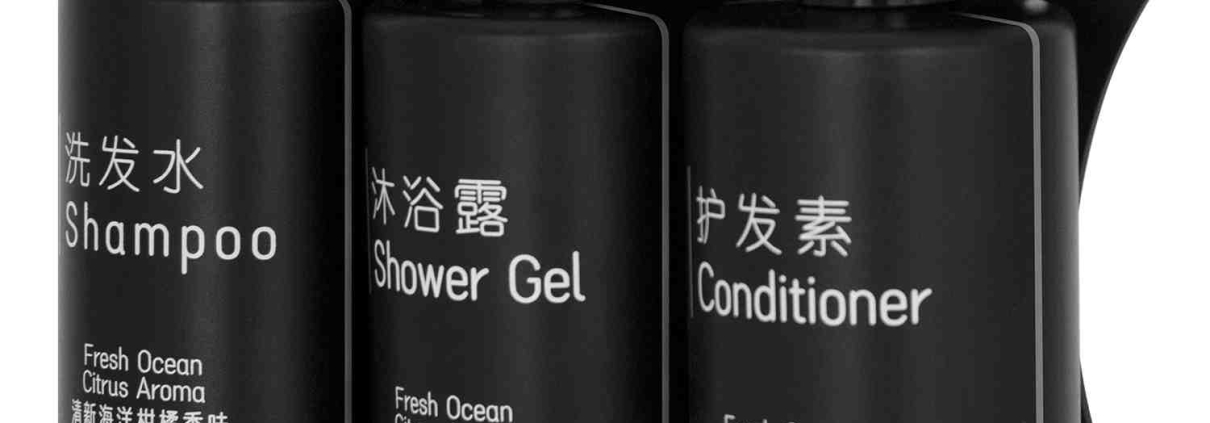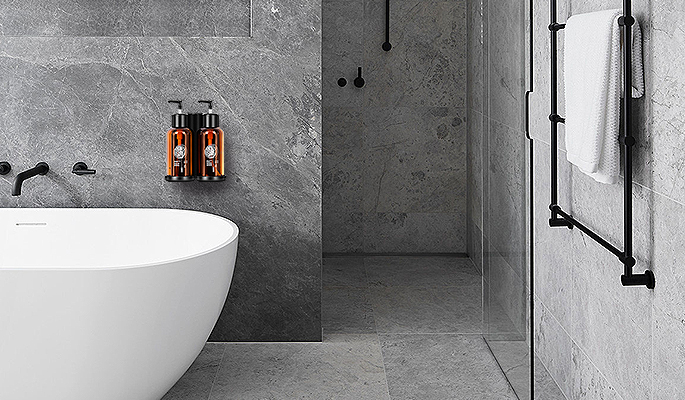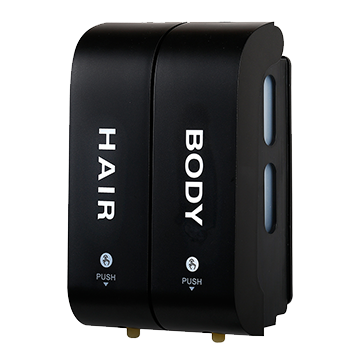
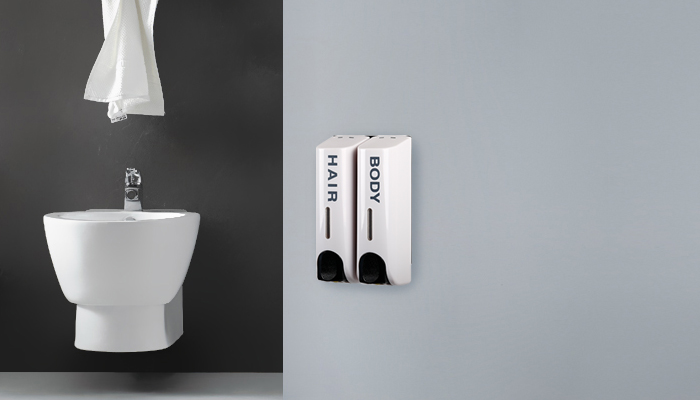
When it comes to equipping guest bathrooms, few details are as frequently overlooked yet fundamentally important as the humble soap dispenser. For hoteliers, this small fixture carries weight beyond its size—it impacts guest perception, operational costs, sustainability goals, and brand alignment. The choice between plastic and stainless steel soap dispensers is not merely aesthetic; it’s a strategic decision that speaks volumes about a hotel’s identity and priorities.
The Case for Plastic Soap Dispensers in Economy Hotels
Budget-friendly, practical, and versatile, plastic soap dispensers are the go-to choice for economy and mid-scale hotels. Here’s why they make sense in these settings.
Cost-Effectiveness and Operational Flexibility
Plastic dispensers are significantly cheaper to purchase in bulk, a crucial factor for hotels with hundreds of rooms. This upfront savings allows for easier replacement if units are damaged, lost, or worn out. For hotels operating on thin margins, minimizing capital expenditure on amenities is essential. Additionally, plastic models are lightweight, making them easier for housekeeping staff to handle, refill, and clean during tight turnaround times.
Durability and Safety Considerations
Modern plastic dispensers are often made from durable, shatter-resistant materials like ABS or polypropylene. In high-traffic environments where accidental drops are common, plastic’s resistance to breaking is a practical advantage. They also eliminate the risk of corrosion, which can be a concern in humid bathroom environments. Many economy hotels opt for wall-mounted plastic dispensers, which reduce theft and simplify cleaning—important factors in transient-heavy accommodations.
Design and Customization
While often simple, plastic dispensers come in a range of colors and finishes. Economy brands can choose neutral tones or even custom-print logos, maintaining brand consistency without the expense of metal engraving. For limited-service hotels that prioritize clean, functional spaces over luxury, plastic provides a no-fuss solution that fulfills the basic requirement: delivering soap reliably.
Environmental Trade-Offs
Critics often point to plastic’s environmental footprint. However, many hotel chains now use dispensers made from recycled plastic or commit to robust recycling programs. Large-refill formats reduce single-use plastic waste compared to individual mini-bottles—a step toward sustainability that aligns with the growing eco-consciousness of travelers across market segments.
Why Stainless Steel Reigns in Luxury Hotels
For four- and five-star hotels, the soap dispenser is not just a utility; it’s an element of design and a tactile touchpoint. Stainless steel is the material of choice here, and for good reason.
Perception of Quality and Luxury
Stainless steel conveys weight, solidity, and permanence. Its cool touch and reflective surface signal cleanliness and sophistication. In luxury hospitality, every detail contributes to a narrative of exclusivity and attention to quality. A stainless steel dispenser feels substantial in the hand, reinforcing the guest’s sense of being in a carefully curated environment. It aligns visually with other bathroom fixtures—towel rails, faucets, showerheads—often made of matching metallic finishes.
Durability and Long-Term Value
Although stainless steel requires a higher initial investment, its lifespan typically far exceeds that of plastic. High-grade stainless steel (such as 304-grade) resists rust, tarnish, and corrosion, even in steamy bathroom conditions. For luxury properties planning decades of operation, this longevity justifies the upfront cost. The material is also exceptionally easy to keep spotless—a quick wipe removes fingerprints and water spots, maintaining the pristine appearance expected in upscale settings.
Brand Alignment and Customization
Luxury hotels often commission custom-designed stainless steel dispensers, sometimes integrated into marble countertops or vanity units. Logos can be elegantly engraved or embossed, enhancing brand prestige without appearing overtly commercial. The ability to tailor the design allows these hotels to create a unique, cohesive aesthetic—whether minimalist, vintage, or ultra-modern.
Sustainability from a Long-Term Lens
While production of stainless steel is energy-intensive, its durability and recyclability offer long-term environmental benefits. A well-made stainless steel dispenser might last the lifetime of the hotel, eliminating repeated manufacturing and disposal cycles. Many luxury brands also use them with premium, responsibly sourced bulk soaps and lotions, reducing packaging waste and appealing to eco-aware affluent travelers.
Bridging Practicality and Perception
The divide between plastic and stainless steel is not just about cost; it reflects differing operational philosophies. Economy hotels prioritize efficiency, scalability, and functional reliability. Their guests expect cleanliness and convenience, not necessarily heirloom-quality fixtures. Plastic serves these needs effectively while keeping rates affordable.
Luxury hotels, conversely, are selling an experience. Every element must contribute to a sense of occasion and refinement. Guests paying a premium notice details—the weight of a door handle, the thickness of a towel, the solidity of a soap dispenser. Stainless steel meets these elevated expectations, supporting the brand’s promise of exceptional quality.
Emerging Trends and Hybrid Solutions
The hospitality industry is evolving, and so are amenity solutions. Some boutique and lifestyle hotels are experimenting with materials like ceramic, tempered glass, or even sustainably sourced bamboo to differentiate themselves. Meanwhile, technology is adding smart features—digital counters for refill timing, antimicrobial surfaces, and touchless operation—which are becoming expected in a post-pandemic world.
Additionally, the rise of “eco-luxury” has spurred interest in high-design dispensers made from recycled materials. Brands like Method and sustainable hotel groups are partnering to create dispensers that are both aesthetically pleasing and environmentally progressive.
Conclusion: The Right Dispenser for the Right Experience
Ultimately, the choice between plastic and stainless steel soap dispensers hinges on a hotel’s understanding of its guests and its own brand essence. Economy hotels make a smart, pragmatic choice with plastic—optimizing costs and functionality. Luxury hotels invest in stainless steel to elevate the guest experience and reinforce their premium positioning.
In both cases, the humble soap dispenser proves to be more than a container; it’s a silent communicator of values, a workhorse of daily operations, and a tiny but telling piece of the hospitality puzzle. By selecting the appropriate material, hotels ensure that even the smallest details align with their larger story—one hand wash at a time.