Posts

2026 Summer Travel: Value-Driven Shifts

—How the Hotel Industry Can Win in the New Era of “Value-Driven” Competition

Introduction

Nevertheless, the 2026 summer travel market presents a seemingly contradictory yet profoundly significant picture. On one hand, despite persistent inflation, rising living costs, and ongoing geopolitical uncertainties, U.S. summer travel demand remains remarkably resilient. Travelers are not canceling their vacations; instead, they are rethinking how they spend their money. On the other hand, travelers’ spending behavior and decision-making logic have undergone fundamental changes. Nevertheless, they aren’t cutting back on vacations. However, they are completely changing how they choose where to stay and how much to allocate to each trip.

ODM Soap Dispenser Customization: A Complete Guide

Additionally, 49% of Americans plan a leisure trip in three months, showing ongoing holiday travel interest amid the economy. However, compared to earlier this year, travelers are reducing their overall trip frequency and moderating their travel budgets. Consequently, many travelers are consolidating trips into one or two longer, better-planned vacations. As a result, travelers are shifting away from three or four short trips.

Consequently, this shift signals the hospitality sector has entered a new era defined by quality over quantity, experience over price. The era of “build it and they will come” is over. Today, hotels must actively earn every booking by demonstrating clear, tangible value to increasingly discerning guests.

Based on the latest travel consumer research from Hospitality Net, sift, and Allah, we’ve summarized four defining traveler trends that will shape hotel performance this summer season. For hotel procurement decision-makers, brand operators, and suppliers to the hospitality industry — including companies like Leekong that provide custom soap dispensers and paper dispensers — understanding these trends is not just a matter of market intelligence. It is a strategic necessity for adjusting product configuration, optimizing supplier selection, and staying ahead of the competition.
Trend 1: AI-Powered Travel Planning Makes Guests More Rational and Comparison-Driven

Artificial intelligence has evolved from a novelty tool to a mainstream travel-planning instrument, fundamentally reshaping consumer booking behavior. In 2026, 52% of active leisure travelers use artificial intelligence to plan their trips — a 10% year-over-year increase — with ChatGPT and Gemini dominating the traveler toolkit.

What does this mean in practice? A traveler can now ask an AI assistant to “find me a hotel in Chicago with a pool, free breakfast, and guest ratings above 8.5, within a 10-minute walk of the Art Institute, for under $300 per night” — and receive a curated list of options within seconds. The AI can cross-reference reviews, compare pricing across platforms, analyze seasonal rate trends, and even suggest room upgrades based on past travel patterns.

This capability fundamentally changes the balance of power in the booking process. Travelers now enter the decision-making journey with more information, more clarity, and higher expectations than ever before. They are less susceptible to marketing hype and more responsive to verifiable quality indicators. With AI’s ability to compare destinations, hotel value, reviews, and travel experiences in seconds, guests evaluate every option with extreme precision. This means homogeneous hotels — those offering the same amenities as their competitors without any distinguishing features — are far easier to eliminate during customer decision-making.

For hoteliers, the message is clear: mediocrity is no longer an option. Every aspect of the guest experience must be thoughtfully designed and consistently delivered. This includes the often-overlooked details, such as bathroom amenities. A cheap, unreliable soap dispenser that drips or fails to dispense properly is precisely the kind of negative detail that AI-curated reviews will surface and amplify.

Implications for the Hotel Supplies Industry:

Travelers are more “educated” and demand higher quality and attention to detail in every aspect of hotel facilities

Poor-quality or outdated soap dispensers and paper dispensers in restrooms may become triggers for negative reviews — and in the age of AI, those reviews are more visible than ever

High-quality, design-conscious custom bathroom products are becoming a competitive differentiation for hotels on OTA and AI-powered booking platforms

Moreover, hotels investing in premium supplies signal to guests they care about every detail, building trust and loyalty.

Trend 2: Traditional Destination Traffic Dividends Fade; Unique Local Experiences Become the New Core Attraction

Popular conventional travel destinations are losing visitor attention — proof that simple city branding and standardized sightseeing resources are no longer enough to capture modern travelers. Cities that once relied on their global reputation are finding that reputation alone no longer drives bookings. Today’s guests actively seek diverse, niche, and destination-specific experiences that they cannot find anywhere else.

Moreover, local farm-to-table dining, handmade cultural workshops, seasonal exclusive outdoor activities, and community-based cultural festivals have become key booking drivers. Travelers want to eat what locals eat, learn skills from local artisans, and participate in traditions that are authentic to the place they are visiting. They want stories to tell, not just photos to post.

Hotels that rely only on basic room facilities without local characteristic offerings are gradually losing competitiveness in the saturated peak-season market. A hotel room is no longer just a place to sleep — it is a base for exploration, a portal to the destination experience. Guests expect hotels to curate local experiences, provide insider recommendations, and serve as authentic ambassadors for their location.

This trend is particularly pronounced among younger travelers. Indeed, Millennials and Gen Z travelers are driving the demand for “authenticity” in travel. Moreover, they prefer independent, design-led properties that reflect their surroundings over chain hotels. Boutique hotels, lifestyle brands, and econ-lodges are thriving as a result.
Implications for the Hotel Supplies Industry:

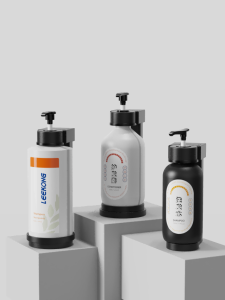
Hotels’ thematic and localization transformations are driving demand for customized, design-forward bathroom products that reflect local aesthetics and brand identity

More boutique hotels are choosing custom colors and exclusive finishes for soap dispensers to match their unique spatial design language — a seaside resort might choose ocean-blue ceramic finishes, while a mountain lodge might opt for matte black with wood accents

Suppliers like Leekong, with low-MOO customization services, are built precisely for these differentiation needs. The ability to deliver custom branded soap dispensers with relatively small order quantities enables boutique hotels to achieve premium differentiation without committing to massive inventory

Trend 3: Travel Value Is Redefined — Event-Driven Experiences Beat Low-Price Incentives

Price is no longer the primary factor influencing travel choices. This is a significant departure from previous years, when discounts and promotions often drove booking decisions. In 2026, 55% of travelers prioritize trips tied to special events, festivals, or cultural celebrations. Approximately 29% of visitors are willing to travel for landmark cultural and commemorative events, while 27% plan to attend sports games during their vacation.

What does this mean in practice? Instead of asking where the cheapest destination is, travelers now ask what events they want to join. A Taylor Swift concert, a Formula 1 race, a food and wine festival, or a total solar eclipse can drive bookings far more effectively than a 20% off room rate. Event-linked, immersive, one-of-a-kind experiences have become the most powerful differentiation for hotels and destinations to stand out during peak summer travel.

This trend also reflects a broader shift in consumer values. After years of uncertainty and disruption, travelers are placing higher value on meaningful experiences that create lasting memories. They are willing to pay more for experiences that feel special, unique, and worth talking about.

As a result, for hotels, this means being more intentional about event partnerships and programming. Hotels that align their offerings with local events — whether by creating event-specific packages, hosting pre- or post-event gatherings, or providing convenient transportation to venues — capture a larger share of this motivated travel segment.

Implications for the Hotel Supplies Industry:

During event periods, hotel occupancy surges, imposing higher demands on the durability and reliability of all hotel equipment and supplies

During major events, restroom usage frequency spikes dramatically, making stainless steel soap dispensers and high-capacity paper dispensers essential for maintaining hygiene standards and guest satisfaction

Hotels can extend their “event themes” through brand colors or exclusive branding on custom bathroom products, reinforcing the event atmosphere and creating memorable guest touchpoints

Event-driven hotels often need to scale up quickly and cost-effectively — suppliers offering low-MOO customization and fast turnaround times become valuable partners

Trend 4: Travelers Demand Dual Advantages — Digital Efficiency + Quiet, Private Luxury Stays

Modern guests expect seamless digital convenience as a basic standard, not as a premium upgrade. Mobile self-check-in, pre-arrival personalized room setup, customized travel itineraries, and keyless room entry are no longer differentiators — they are expectations. Guests want technology to work quietly in the background, eliminating friction without introducing complexity. They want to bypass front-desk queues, choose their own rooms, and control their room environment through their smartphones.

At the same time, the “quiet luxury” travel trend continues to grow in popularity. Quiet luxury is about understated elegance — premium materials, thoughtful design, and impeccable service without ostentation. It is the opposite of flashy, Instagram-first design. It is the feeling of being well cared for without being overwhelmed.

Solo travelers, multi-generational families, and wellness-focused guests increasingly favor low-density zones, quiet floors, spa-like bathrooms, and private relaxation areas where they can escape the crowds and recharge. These guests value peace, privacy, and personal space above all else. They are willing to pay a premium for hotels that respect their need for quietude.

The perfect combination of efficient digital services and warm, human-centric private experiences effectively improves guest satisfaction without requiring heavy hardware investment. It is not about choosing between technology and humanity — it is about using technology to enhance human interactions. When guests can handle routine tasks through digital channels, staff are freed to focus on meaningful, personalized service.

Implications for the Hotel Supplies Industry:

The “quiet luxury” concept extends to bathrooms — demand is growing for stainless steel soap dispensers with premium finishes like matte black, brushed gold, gunmetal, and rose gold that convey sophistication without boldness

Sensor-operated, low-noise soap dispensers and paper dispensers align perfectly with the “quiet luxury” experience. They provide touchless hygiene without the mechanical noise that can disturb peaceful environments

High-quality bathroom accessories become detailed proof of a hotel’s “quiet luxury” brand positioning. A well-designed, reliable soap dispenser communicates that the hotel cares about the small things — and if they care about the small things, guests trust they care about the big things too

Hotels catering to the quiet luxury segment are more likely to choose premium materials like 304 stainless steel over plastic, and custom finishes over standard stock designs

Conclusion: The New Rules of Competition for the Hotel Industry

The biggest challenge facing today’s hotel industry is no longer stimulating travel demand — demand is already there. The challenge is winning the intense competition for highly selective travelers who have more information, more choices, and higher expectations than ever before.

As consumer travel expectations continue to upgrade, pure price discounts can no longer drive bookings or build loyalty. The era of competing solely on price is over. Travelers are no longer seeking the cheapest option. Instead, they seek the best value for their money. They define value in increasingly sophisticated ways.

The key to future hotel competition lies in personalized service, authentic local immersion, and tangible guest value. Properties escape the trap of low-price competition and build systematic differentiated experiences. They will capture higher occupancy, better reviews, and sustainable premium revenue that extends beyond the summer peak season.

Hotel supplies suppliers face a clear and urgent direction. They must help hotel clients differentiate themselves in every detail, from restroom soap dispensers to public-area paper dispensers. Guests notice and critique every detail. The quality and design of bathroom products reflect a hotel’s brand. They are no longer a minor afterthought. It is a visible, tangible expression of a hotel’s brand values and quality standards.

Leekong is uniquely positioned to support this shift. Leekong is uniquely positioned to support this shift. We provide dual production in stainless steel and plastic dispensers. This enables hotels to differentiate themselves with premium, custom-designed bathroom products through flexible customization and low MOQs. Our partnerships with Marriott, H World Group, Hunter, and The Guest Supply reflect our commitment to quality and our ability to meet the needs of discerning hospitality clients.


Is your hotel ready for the 2026 summer travel wave? Contact Leekong today to learn how custom bathroom products can enhance your brand’s competitive differentiation and win the loyalty of today’s discerning travelers.
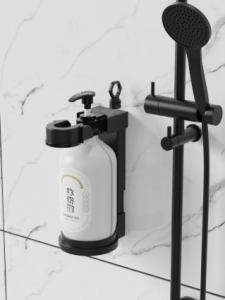
From Sketch to Finished Product: A Complete Guide to the ODM Soap Dispenser Customization Process

—How Your Idea Becomes a Product on the Shelf

Introduction

“I have an idea for a soap dispenser, but I don’t know where to start.”

This is the first thing many brand owners, hotel procurement managers, and entrepreneurs say when they contact us. They may already have a clear concept—a certain material, a specific color, a unique shape, or even just a sketch on a napkin. But they’re uncertain: Can this idea become a real product? How much will it cost? How long will it take?

The answer is: Yes, and it’s simpler than you might think.

The emergence of ODM (Original Design Manufacturing) has completely transformed the barriers to product development. You no longer need to own your own factory, molds, or engineering team. You just need an idea, and a professional manufacturer can turn that idea into 3D drawings, into samples, and ultimately into thousands of finished products on store shelves.

This article will break down the complete ODM soap dispenser customization process—from initial needs communication to final mass production and delivery. Whether you’re a brand newcomer experiencing custom products for the first time or an experienced procurement professional looking to optimize your supply chain, this guide will provide you with a clear roadmap.

Part 1: What is ODM? Why Choose ODM?

1.1 ODM vs OEM: Understanding the Difference

Before diving into the process, it’s essential to clarify two often-confused concepts:

Dimension ODM (Original Design Manufacturing) OEM (Original Equipment Manufacturing)
Design Source Manufacturer provides existing designs; client selects and customizes Client provides complete design; factory produces to spec
Mold Ownership Usually owned by manufacturer (can be shared) Owned exclusively by client
Development Cycle Shorter (selection + minor customization) Longer (development from scratch)
MOQ Requirement Lower Higher (need to amortize mold costs)
Cost Structure Design amortization included in unit price Separate mold development fee required
Best For Brands wanting fast product launch without high mold investment Brands with unique designs seeking maximum differentiation

For most clients trying customization for the first time, ODM is the more practical choice. You can select a base model from the manufacturer’s existing product library, then customize color, logo, packaging, and some details. This approach achieves brand differentiation while avoiding the high costs and long timelines of developing from scratch.

1.2 Why Choose ODM?

The core advantages of the ODM model are low barriers, high efficiency, and low risk:

  • No need to build your own factory: You don’t need to invest in facilities, equipment, or labor
  • No need to develop your own molds: Leverage the manufacturer’s existing molds, saving hundreds of thousands in mold investment
  • Professional team support: The manufacturer’s design, engineering, and quality control teams serve you
  • Fast time-to-market:From concept to finished product, the cycle is much shorter than building your own production line

Part 2: The ODM Soap Dispenser Customization Process — 5 Key Steps

A typical ODM soap dispenser customization project, from initial idea to final delivery, generally includes the following 5 stages. The entire cycle typically takes 30-60 business days, depending on the complexity of customization and order quantity.

Step 1: Needs Communication — Laying the Foundation for Customization

This is the most important step in the entire process. Clear communication can prevent 80% of potential problems down the line. A successful ODM project starts with a thorough understanding of the client’s needs.

In this phase, you should provide the manufacturer with the following information:

Product type: Manual or sensor-operated? Plastic or stainless steel? Countertop or wall-mounted?

Capacity requirement: 300ml, 500ml, 800ml, or 1000ml+?

Material selection: ABS plastic, 304 stainless steel, or other materials?

Color/finish: Matte black, brushed gold, chrome, gunmetal, or white?

Branding: Is logo printing required? Logo position and size? Laser engraving?

Packaging requirements: Standard carton or custom color box?

Target price: Your expected unit price range

Estimated quantity: Initial order quantity and annual purchase forecast

The manufacturer’s role:

Recommend suitable base models based on your needs

Assess feasibility (some colors or finishes may require additional processes)

Provide initial quotations and timeline estimates

Practical advice:

If you have reference images or competitor product photos, be sure to share them—a good picture is worth a thousand words

Be clear about your target market (Europe/US/Middle East/Southeast Asia, etc.), as different markets have different certification requirements

If this is your first collaboration, start with simple customization (like logo-only or packaging changes) to reduce risk

Step 2: 3D Prototyping and Confirmation — Making the Idea “Visible”

Once needs communication is complete, the manufacturer’s design team begins work. The core goal of this step is: before mold development, let you “see” the final product’s appearance and structure.

Prototyping Process:

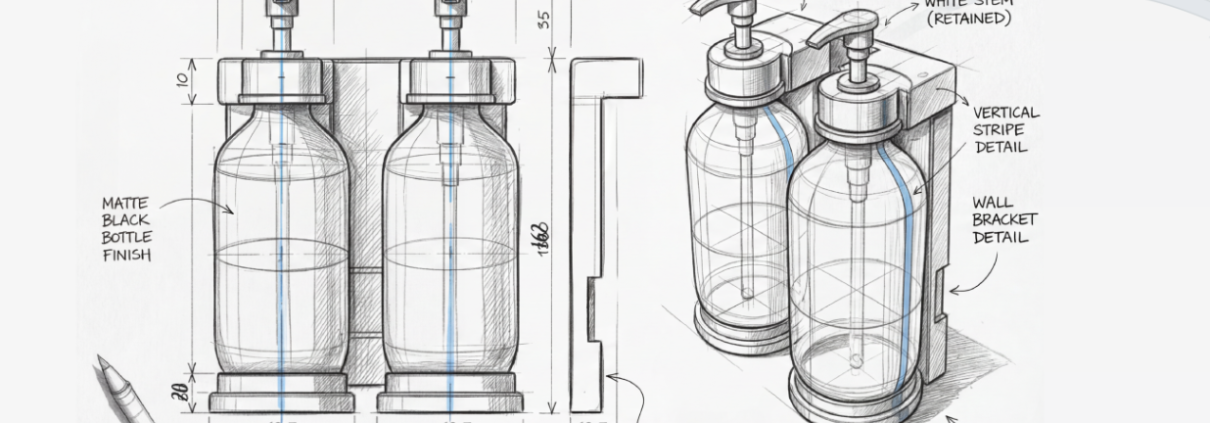
Design draft creation: Based on your requirements, designers create 2D renderings or 3D models to confirm appearance, color, logo placement, and other visual elements

3D modeling: Engineers build a digital 3D model to confirm dimensions, structure, and assembly relationships

Mockup making (if needed): Use 3D printing or CNC machining to create physical mockups (rapid prototypes) for appearance and assembly verification

Review and feedback: You evaluate the design drafts, 3D models, or mockups and provide revision suggestions

Final confirmation: All details are agreed upon, and the project moves to mold development

For simple projects requiring only logo customization or color changes, this phase takes approximately 3-7 business days. For complex projects requiring entirely new designs, it may take 10-15 business days.

Key confirmation points:

□ Is the appearance shape as expected?

□ Is the color accurate (reference to Pantone color code recommended)?

□ Is the logo position and size appropriate?

□ Do the dimensions meet installation and usage requirements?

Step 3: Mold Development and First Article Confirmation — From Digital to Physical

This step is the most critical in ODM customization and best demonstrates the manufacturer’s capabilities. The mold is the “mother” of product production, and its quality directly determines the final product’s quality.

Mold Development Process:

Mold design: Engineers design the mold structure based on the confirmed 3D model

Mold machining: CNC machining, EDM (electrical discharge machining), etc., to manufacture steel molds

Trial molding: Use the new mold for trial production of a small quantity to verify molding quality and dimensional accuracy

First article confirmation: Ship trial-molded products to the client for final approval

For plastic soap dispensers, the mold development cycle is typically 20-30 business days; for stainless steel dispensers, drawing molds typically take 15-25 business days. Sensor-operated electronic dispensers, which involve electronic component molds, may extend to 40-60 business days.

About mold costs:

If you select an existing product from the manufacturer’s library (ODM selection), there is no mold fee

For new mold development, the mold cost is typically borne by the client, but the mold belongs to the client

Some manufacturers refund the mold fee upon reaching a certain order volume

Leekong’s advantage: We have our own mold workshop and engineering team, enabling efficient mold development and flexible adjustments based on client needs. Compared to suppliers relying on external mold makers, we maintain better control over development timelines and quality.

Step 4: Mass Production — Quality is Made, Not Inspected

After first article approval, the project moves into mass production. This is the most time-consuming phase of the entire process and the critical stage for quality control.

Production Process Flow:

Raw Material Procurement → Injection Molding/Stamping/Casting → Surface Finishing → Assembly → Functional Testing → Packaging

Detailed Breakdown by Process:

Process Plastic Soap Dispensers Stainless Steel Dispensers Sensor-Operated Electronic Dispensers
Raw Materials ABS/PP plastic pellets 304 stainless steel sheets Plastic/metal + PCB
Forming Process Injection molding Drawing/stamping Injection molding + SMT assembly
Surface Finishing Painting/Plating/Silk-screen Brushing/Polishing/PVD Painting/Plating
Assembly Manual + semi-automated Manual assembly Assembly line + functional testing
Testing Appearance/Function sampling Appearance/Function sampling 100% functional testing


Quality Control System (QA & QC)

Rigorous quality control ensures product consistency. We have inspection checkpoints at every stage of production:

  • Incoming Quality Control (IQC):All raw materials are inspected before entering the warehouse to ensure plastic pellets, stainless steel sheets, electronic components, etc., meet specifications
  • In-Process Quality Control (IPQC): Sampling during production to detect anomalies early and prevent defective products from moving to the next stage
  • Final Quality Control (FQC):Functional testing and appearance inspection before packaging
  • Outgoing Quality Control (OQC):Final inspection before shipment to ensure each batch meets quality standards

Production Timeline Reference:

Standard products: 15-25 business days

Customized products (with logo, color): 25-35 business days

New mold development: 30-45 business days

Step 5: Quality Testing and Certification — Ensuring Global Compliance

Before products leave the factory, ensuring they meet target market regulations and certification requirements is crucial. This is a key distinction between professional manufacturers and ordinary factories.

Key Certifications:

Certification Target Market Applicable Product Types Requirement
FDA United States Products contacting skin/liquids Material safety, no harmful substance leaching
REACH European Union All products No Substances of Very High Concern (SVHC)
RoHS European Union Electronic products Restriction of lead, mercury, cadmium, etc.
LFGB Germany Food-contact products German food and commodities safety standards
ISO 9001 Global All products Quality management system certification

Leekong’s advantage: We provide products compliant with FDA, REACH, RoHS, and other international standards, and can provide corresponding certification documents upon request. For the PCBA design of sensor-operated dispensers, we also support full BOM/Gerber file delivery, ensuring clients have complete understanding and control of their products.

Step 6: Packaging and Shipment — The Final Mile of Perfect Delivery

After production is complete and quality inspection passed, products move to packaging and shipment. Packaging is not only a means of protecting products but also an important part of the brand experience.

Packaging Options:

Packaging Level Standard Solution Branded Custom Solution
Inner packaging Transparent poly bag Non-woven fabric bag, OPP bag with logo
Intermediate packaging Standard inner box Custom printed color box
Outer packaging 5-layer corrugated carton Custom printed outer carton

Shipping Methods and Transit Times:

Method Best For Transit Time
International Courier (DHL/FedEx/UPS) Samples, small batches 3-7 business days
Air Freight Medium batches, urgent orders 7-12 business days
Sea Freight Large volume orders 20-40 business days

Pre-shipment checklist:

□ Does the quantity match the order?

□ Is the packaging intact?

□ Are labels and markings correct?

□ Are customs documents complete (invoice, packing list, bill of lading, certificate of origin, etc.)?

Part 3: Leekong’s ODM Customization Advantages

3.1 Low MOQ — Let Brands Start Small

Minimum Order Quantity (MOQ) is a major barrier for new brands and small-to-medium clients entering the custom products market. Traditional manufacturers typically require MOQs of 3,000-5,000 units, which is prohibitive for many clients.

Leekong’s MOQ Strategy:

Customization Type Typical MOQ Best For
Laser engraving logo (existing product) 500 units Startup brands, crowdfunding projects
Color customization (existing mold) 1,000 units Boutique hotels, brand customization
New mold development 3,000-5,000 units Premium brands, exclusive product lines


For stainless steel products, our MOQ is even more flexible, starting as low as 100-500 units. This enables boutique hotels, independent brands, and startups to access high-quality custom products.

Real case: A skincare startup needed just 500 soap dispensers for a crowdfunding project. They chose our “semi-custom” solution—existing stainless steel bottle body with laser-engraved logo—easily meeting the MOQ. Their campaign exceeded its funding goal by 340%. Four months later, they reordered 5,000 units.

3.2 Fast Prototyping — Shortening Time-to-Market

In a fast-paced market, speed is competitive advantage. Leekong’s prototyping service ensures you can validate your product design quickly.

Customization Type Sample Lead Time
Logo customization / Color change 7-10 business days
Surface finish customization 10-25 business days
New mold development (mockup + mold) 20-40 business days

Standard prototyping takes approximately 2 weeks, significantly faster than the industry average.

3.3 Flexible Customization — Meeting Diverse Needs

Leekong offers comprehensive customization services from basic to advanced:

  • Logo customization:Silk-screen printing, UV transfer, laser engraving, metal badge inlay
  • Color customization: Pantone color matching, unlimited color options
  • Surface finishing:Brushed, polished, electroplated, PVD, spray coating
  • Packaging customization:Full design for inner boxes, outer cartons, instruction manuals, labels
  • Structural customization: New mold development, exclusive shapes, functional customization

3.4 Dual Production Capability — Expert in Both Plastic and Stainless Steel

We maintain complete dual production lines for both plastic injection molding and stainless steel processing, enabling flexible material selection based on your project requirements. Whether you need large-volume plastic products or small-batch premium stainless steel items, we have proven production experience.

Global clients we’ve served: Marriott, H World Group, Hunter, The Guest Supply — these internationally renowned brands’ trust in us confirms our commitment to quality.

Conclusion

From sketch to finished product, ODM soap dispenser customization is not a mysterious black box but a clear, navigable path. From needs communication to mold development, from sample confirmation to mass production, every step follows established processes and standards.

For brand owners, the greatest value of the ODM model is: turning ideas into marketable products with controllable cost and time. You don’t need to own a factory, understand injection molding processes, or even draw blueprints yourself—you just need a clear idea and a reliable partner.

Leekong is committed to providing high-quality ODM/OEM custom soap dispenser services to clients worldwide, with a complete industry chain from design, molding, production to quality inspection. Whether you want to private-label existing products from our library or develop entirely unique custom products, we offer professional one-stop solutions.

Ready to turn your idea into a product? Contact us, tell us your requirements, and we’ll provide an initial solution within 24 hours

The Ultimate Guide to Sourcing & Selling Soap Dispensers in 2026: Trends, Materials, and Post-Holiday Strategies

Back to work after Chinese New Year? Discover how to choose the right soap dispensers for hotels, homes, and businesses. Explore 2026 trends in materials, touch-free technology, and refillable systems.

Introduction: A Fresh Start for a Clean Industry

It’s officially one week since we wrapped up the Chinese New Year holiday. The red envelopes have been put away, the firecrackers have faded into memory, and here at Leekong, our production lines are running at full capacity again.

This first week back is always a telling one. It sets the tone for the year ahead. We’ve been busy catching up on orders, checking inventory, and—most importantly—listening to what our clients around the world are asking for.

One thing is clear: the humble soap dispenser is having a moment.

No longer just a functional necessity, it has become a statement piece in interior design, a frontline defender in hygiene protocols, and a crucial touchpoint for branding in hotels and restaurants.

Whether you’re a hotel procurement manager stocking up for the season, a retail buyer looking for the next best-seller, or a homeowner wanting to upgrade your space, this guide will walk you through everything you need to know about sourcing and selling soap dispensers in 2026.

Part 1: Understanding the 2026 Market Landscape

The Post-Holiday Supply Chain Reality

As we mentioned in our welcome-back emails, the week following a major holiday like Chinese New Year is a critical window. Factories are ramping up, but so is demand. If you’re planning a large order—whether for custom-branded bottles or bulk commercial units—now is the time to act.

Why?

– Raw Material Availability: Suppliers of plastic resins, glass, and stainless steel are also just getting back to full speed.

– Production Slot Booking: The first quarter of the year often sees a rush of orders. Securing your production slot early ensures you’re not caught in the summer shipping delays.

The Shift Toward “Hygiene-Conscious” Design

Globally, consumers and businesses are more aware of cross-contamination than ever before. This has permanently shifted the design priorities for soap dispensers.

– In Commercial Settings: Touch-free is no longer a luxury; it’s an expectation. Office buildings, airports, and high-end restaurants are moving away from manual pumps to sensor-based systems to reduce the spread of germs.

– In Homes: While manual pumps are still dominant, there’s a growing niche for automatic dispensers in kitchens, especially for handling raw meat and needing to wash hands without touching a dirty pump.

Part 2: Deep Dive into Materials & Durability

Choosing a soap dispenser isn’t just about looks. The material determines its lifespan, its feel, and its price point. Here’s a detailed breakdown:

  1. The Pump: The Heart of the Dispenser

The pump mechanism is the most common failure point. A cheap pump ruins the entire user experience.

– Plastic Springs & Valves: Common in very low-cost units. They are lightweight and cheap but prone to corrosion from liquid soap and fatigue after a few hundred uses. If you’re sourcing for a high-traffic area, avoid these.

– Stainless Steel Springs: The industry standard for mid-to-high range dispensers. Resists rust and maintains tension over thousands of presses.

– All-Metal Exterior Pumps: This is where you see the “luxury feel.” A pump with a zinc alloy or brass body, finished in chrome or matte black, feels solid and weighty. It tells the user “this is quality.” For boutique hotels and luxury retail, this is a must.

  1. The Bottle: Form Meets Function

– Plastic (PET/ABS/HDPE):

– Pros: Lightweight, shatterproof, cheap for shipping.

– Cons: Can feel cheap, may become cloudy over time with certain chemicals.

– Best For: Budget hotels, gyms, promotional giveaways, and travel sizes.

– Glass (Clear/Frosted/Colored):

– Pros: Premium feel, heavy, doesn’t interact with the soap (no chemical taste), highly recyclable.

– Cons: Heavy (higher shipping cost), breakable.

– Best For: High-end home decor, boutique hotels, Airbnb hosts, luxury spas.

– 2026 Trend: Frosted glass with custom labeling is exploding. It hides water spots and gives a spa-like aesthetic.

– Ceramic:

– Pros: Extremely decorative, heavy, holds temperature (cool to the touch).

– Cons: Very heavy, fragile, expensive to mold into unique shapes.

– Best For: High-end retail, decorative home accents, rustic or artisanal-themed hotels.

Part 3: 2026 Color & Design Trends

As we analyze the orders and inquiries coming in this first week back, here’s what’s trending for the year:

The Rise of “Quiet Luxury”

Forget flashy gold and overly ornate designs. The trend is toward clean lines and muted tones.

– Matte Black: Still dominating the market. It doesn’t show fingerprints as badly as chrome and looks incredibly modern in both kitchen and bathroom settings.

– Brushed Nickel & Champagne Gold: A softer alternative to polished gold. It adds warmth without being too flashy.

– Earth Tones: Terracotta, olive green, and warm beige. These colors are being paired with ceramic bottles to create a natural, grounded look in home decor.

– Transparent Amber/Cobalt Blue:** Clear glass is classic, but colored transparent glass is becoming a favorite for kitchen dispensers. It protects the soap from light degradation (if using natural soaps) and adds a pop of color.

Texture is Key

Smooth surfaces are standard, but textured finishes are gaining ground.

– Ribbed Glass: Adds grip and visual interest.

– Matte Finish Ceramic: Soft to the touch, reduces glare.

– Leather Accents: Some high-end dispensers are incorporating leather straps or bases for a unique, handcrafted look.

Part 4: Touch-Free Technology: The Technical Specs You Need to Know

If you’re considering adding automatic soap dispensers to your lineup, whether for commercial or retail, here’s what separates a good sensor dispenser from a frustrating one.

  1. Sensor Response Time

A slow sensor leads to double-dipping or user frustration. Look for dispensers with an infrared sensor response time of less than 0.25 seconds. The dispense should feel instantaneous.

  1. IP Rating (Water Resistance)

In a wet bathroom environment, electronics need protection.

– IPX4: Splash-proof. Minimum standard for a bathroom dispenser.

– IPX6 or Higher: Can withstand powerful water jets. Good for commercial settings where the unit might get hosed down during cleaning.

  1. Adjustable Dispense Amount

Different soaps have different viscosities (thin liquid soap vs. thick foam). A quality automatic dispenser should allow you to adjust the amount of soap dispensed per cycle, usually via a dial inside the battery compartment. This prevents waste and ensures users get enough soap.

  1. Battery Life vs. USB Rechargeable

– Battery-Powered: Standard, easy to replace. Look for units that use standard AA or AAA batteries.

– USB Rechargeable: The newer trend. A built-in lithium battery that can be charged via USB-C. This is more environmentally friendly (no disposable batteries) and is a strong selling point for eco-conscious consumers.

Part 5: Sustainability & Refillable Systems

The conversation around plastic waste is only getting louder. As a supplier or retailer, offering sustainable options is no longer optional.

The “Refillable” Movement

Instead of throwing away a bottle every time it’s empty, consumers want to keep the beautiful dispenser and just refill it.

– Wide Mouth Openings: If you’re designing a private label dispenser, make sure the mouth is wide enough to easily refill without a funnel. A 1.5-inch to 2-inch opening is ideal.

– Durable Construction: The bottle must be sturdy enough to withstand repeated handling. A thin glass bottle that feels fragile will not inspire confidence for long-term use.

Sourcing Eco-Friendly Materials

– Recycled Glass: Using cullet (recycled glass) in manufacturing reduces energy consumption. It’s a great story to tell your customers.

– Bamboo: Bamboo tops and bases are becoming popular as a renewable resource alternative to plastic. They bring a natural, warm element to the bathroom.

– Biodegradable Packaging: Don’t forget the outer box! Using recycled cardboard for your product packaging aligns with the values of the end consumer.

Part 6: Marketing Tips for Your Soap Dispensers

Once you have the perfect product, how do you sell it?

For B2B Sellers (Hotels, Restaurants, Offices):

– Focus on Total Cost of Ownership (TCO): A cheap dispenser that breaks in 3 months costs more in maintenance and guest frustration than a quality one that lasts 3 years.

– Offer Customization: Can you laser-engrave the hotel logo on the bottle? Can you match the pump finish to the hotel’s faucets? This is a huge value-add.

– Highlight Hygiene Compliance: If selling touch-free units, provide data on how they reduce bacterial cross-contamination compared to manual pumps.

For B2C/Retail Sellers:

– Create “Sets”: Bundle a soap dispenser with a matching toothbrush holder, lotion pump, and tissue box cover. This increases average order value.

– Leverage User-Generated Content (UGC): Encourage customers to post photos of your dispensers in their beautiful kitchens and bathrooms. Repost this content on your social media.

– Tell the Material Story: Don’t just say “glass bottle.” Say “This is made from thick, premium frosted glass with a corrosion-resistant stainless steel pump, ensuring it looks beautiful on your countertop for years.”

Conclusion: Your Partner for 2026

As we settle into this productive new year, our mission remains the same: to provide you with high-quality soap dispensers that elevate your brand and delight your customers.

The holiday is over, the workshops are running, and we are ready for you.

Whether you need:

– Bulk stock for an upcoming hotel opening,

– Custom samples for a new product line, or

– Guidance on which materials suit your target market best,

We are just an email away.

Let’s make this year the cleanest, most stylish one yet.

Wishing you a fantastic Friday and a prosperous year ahead!


Rita

Sales Manager

China Leekong Bathroom Supplies Co., Limited

www.Chinasoapdispenser.com

sales@leekong.cn

Portfolio Items