
Posts

2026 Hotel Amenities Surge: Procurement Strategies

—A Strategic Pivot for Hotel Procurement

Introduction

The hotel industry faced its first major shock of 2026. It stemmed from raw material markets, not demand softness or staffing shortages. Costs for hotel guest amenities have been climbing relentlessly. Factory-gate prices now change almost daily, with morning quotes often invalid by afternoon. Logistics costs are rising in parallel, and many hotel supply intermediaries are feeling the squeeze. The impact has not yet fully reached front-line hotel operations. However, sustained cost pressures will directly translate into higher procurement bills. For properties, this change is imminent.

Hotel procurement teams now stand at a crossroads. Do they continue with traditional consumable-based purchasing models, absorbing one price shock after another? Or do they rethink their procurement strategy from the ground up? This article analyzes the drivers behind the cost surge. It presents a viable path for hoteliers to regain control of their supply chains.

Part 1: The Two Main Drivers—Cotton Yarn and Petroleum

1.1 Cotton Yarn: Up Nearly 20% in Two Months

The core raw material for hotel towels, bath mats, and bed linens is cotton yarn. Prices for 32s and 40s pure cotton yarn were about USD 3400 per ton before the Spring Festival. These yarns typically account for more than 70% of linen product costs. By late March, they had surged past USD$4,000, a nearly 20% increase in just two months.

What makes the situation even more challenging is the sheer unpredictability. One linen manufacturer complained that fixed quotes. When a customer calls for a price, they must first check with the yarn supplier. By the time they call back, the price has often changed. Some distributors have received adjustment notices from upstream mills. They state: Effective immediately, all products are subject to same-day pricing. Quoted prices are valid only on the day of inquiry. A veteran distributor with over a decade of experience remarked, “In the past, price increases were like boiling a frog slowly.We feel boiling water pouring over us now.

The root cause lies in structural supply constraints. Structural supply constraints reduced Xinjiang’s cotton planting area by 5 to 7 million mu (330,000–470,000 hectares), a decline over 10%. Farmers are switching to wheat, and the resulting drop in expected cotton output has naturally driven prices higher.

1.2 Petroleum: PP Prices Jump USD$300/Ton in a Single Day

If you think switching to a polyester-cotton blend will save costs, think again—polyester is also derived from petroleum, and oil prices are rising too.

The upstream source for plastic resins is crude oil. Toothbrush handles, combs, slipper soles, shower gel bottles—these everyday hotel consumables all come from the petrochemical value chain: crude oil → naphtha → ole-fins → plastic resins, with each link adding cost. In late February, some institutions foretasted oil prices hitting $100 a barrel, triggering widespread market panic.

On March 9, PP resin (used for toothbrush handles) jumped USD$300 per ton in a single day—whereas a weekly increase of USD$30 had previously been considered substantial. PET resin (used for shower gel bottles) surged USD$243 per ton in one day, and by the end of March had accumulated a 34.8% increase month-over-month. Pure benzene spiked USD$385 per ton in a single session. According to the H1 2026 interim report of listed company Jiangnan Gaofiber, the average purchase price of polypropylene (PP) in the first half reached USD$1264.35 per ton, up 24.65% year-on-year.

In Hangji, Yangzhou—China’s largest production base for hotel daily necessities—upstream petrochemical plants began to “suspend offers” or ration sales from early March. Where a buyer could previously order 100 tons and receive 100 tons, now an order of 100 tons might only yield 20 tons, forcing them to source the rest elsewhere—only to find that other suppliers are also rationing.

Part 2: The Hotel Industry’s Dilemma—Costs Are Rising, But Room Rates Cannot Follow Suit

The impact of the raw material surge is hitting every category:

Linens: Towels, bath mats, and bed sheets are directly affected, with pure cotton yarn rising nearly 20% in two months.

Plastic-based amenities: Toothbrushes, combs, slippers, shower gel bottles, shampoo bottles—virtually all guest consumables are seeing price hikes. PP prices averaged 24.65% higher in the first half of 2026.

Sensor-operated equipment: Soap dispensers, automatic paper towel dispensers, and other electronic amenities are also under pressure due to rising costs of electronic components and plastic housings.

The fundamental contradiction, however, is this: costs are up, but room rates cannot easily follow suit. Economy hotels risk losing price-sensitive guests if they raise rates, and independent properties have little bargaining power. Profit margins are being compressed on all sides. Industry analysts suggest that 2026 could trigger a wave of consolidation in the hospitality sector.

Part 3: The Path Forward—Shifting from a “Consumables” Mentality to a “Durables” Mentality

In the face of this price surge, hotel procurement must re-examine a fundamental question: What are you actually buying—single-use consumables, or long-lasting assets?

3.1 Long-Term Cost Efficiency

A bottle of shower gel or a toothbrush is gone after one use—you have to buy it again next time. But a stainless steel soap dispenser or paper towel dispenser can last 5, 8, or even 10 years. When PP resin has risen 25% in six months, the cost of single-use plastic bottles climbs with it—while the cost of a durable stainless steel dispenser was locked in at the time of purchase. Over the long term, the per-use cost of durable dispensers is far lower than that of disposable consumables.

3.2 Environmental Compliance and Brand Value

The EU’s single-use plastics ban and China’s Green Hotel standards are accelerating the transition. Refillable soap dispensers can reduce plastic usage by an average of 56–77% compared to disposable mini-bottles. A growing number of hotel groups are placing ESG at the core of their strategy. Switching to fixed dispensers is not only a compliance measure but also a brand-boosting move that resonates with increasingly eco-conscious guests.

3.3 Supply Chain Stability, Avoiding Price Volatility

When upstream raw materials fluctuate wildly—quotations changing daily, if not hourly—relying on a “buy-today, use-today” consumables model means continuous exposure to price volatility. In contrast, durable dispensers involve a one-time procurement decision. You place your order, lock in the price, and you are no longer affected by whether PP resin spikes another USD$155 tomorrow.

3.4 Operational Efficiency Gains

Large-capacity refillable dispensers significantly reduce refill frequency, easing the burden on housekeeping staff. Transparent view windows allow staff to check liquid levels at a glance, eliminating unnecessary “open and check” steps and preventing the guest complaints that occur when dispensers run dry.

Conclusion

The 2026 hotel amenities price surge may appear to be a cost crisis on the surface, but at a deeper level, it is a catalyst for industry transformation. Moving from “buying consumables” to “investing in durable assets,” and from “passively absorbing price hikes” to “actively controlling costs,” is not just about short-term profits—it is about long-term competitiveness.

Leekong is committed to providing hotels with high-quality custom solutions in stainless steel and plastic soap dispensers, as well as paper towel dispensers. We help hotels replace single-use consumables with durable assets, building a procurement moat that withstands cost volatility.

Is your hotel ready for the current cost surge? Contact us to learn how durable dispensers can help you achieve long-term cost optimization.

Plastic vs. Stainless Steel Soap Dispensers: How to Choose the Right Material for Your Clients

—A Complete Selection Guide for Hoteliers, Facility Managers, and Procurement Professionals

Introduction

When outfitting a hotel, restaurant, or commercial facility, few decisions seem as minor as choosing a soap dispenser. Yet this seemingly small choice carries significant implications for durability, hygiene, brand image, and long-term operating costs. Walk into any upscale hotel lobby, and you will notice the soap dispenser is not an afterthought—it is a deliberate design element that communicates quality. Step into a high-traffic airport restroom, and the dispenser’s ability to withstand constant use becomes paramount.

At Leekong, we manufacture both plastic and stainless steel soap dispensers, serving clients ranging from Marriott and H World Group to Hunter and The Guest Supply. This dual-production capability gives us a unique vantage point: we understand the strengths and trade-offs of each material intimately. This guide will help you navigate the selection process, matching the right material to the right scenario based on durability, aesthetics, cost, and brand positioning.

Part 1: Stainless Steel Soap Dispensers—Durability Meets Elegance

1.1 The Gold Standard for Commercial Durability

Stainless steel soap dispensers, particularly those made from 304-grade alloy, are the industry benchmark for heavy-duty performance. Unlike plastic, which can crack, fade, or warp over time, stainless steel maintains its structural integrity even in the most demanding environments . Tests show stainless steel models outlast plastic alternatives by 5 to 8 years on average .

This longevity is rooted in the material’s properties:

Corrosion Resistance: Grade 304 stainless steel contains chromium and nickel, forming a passive layer that resists rust and corrosion even in persistently humid bathroom environments . This makes it ideal for showers, pool areas, and coastal properties where moisture is constant.

Impact Resistance: Stainless steel withstands accidental knocks, cleaning cart collisions, and even vandalism attempts far better than plastic. For public restrooms in airports, train stations, or stadiums, this durability is non-negotiable.

Scratch and Stain Resistance: The material resists scratches from daily cleaning and does not absorb soap residues, maintaining a pristine appearance that plastic units lose over time .

1.2 Hygiene Advantages

In settings where sanitation is critical—hospitals, healthcare facilities, and high-end hotels—stainless steel offers hygiene benefits plastic cannot match. Its non-porous surface prevents bacterial growth and is easily cleaned with a simple wipe . Plastic surfaces, by contrast, develop micro-abrasions over time that become breeding grounds for bacteria, and they tend to absorb soap residues, leading to discoloration and odors if not cleaned regularly .


For hotel guests who equate cleanliness with quality, a stainless steel dispenser sends a powerful message: this establishment cares about hygiene at every touchpoint.

1.3 Aesthetic Appeal and Design Flexibility

Stainless steel offers a sleek, modern look that complements contemporary and classic interiors alike. The brushed finish resists fingerprints and smudges, keeping dispensers looking professional with minimal maintenance .

Beyond the classic brushed look, stainless steel supports multiple surface treatments:

Finish Effect Best For
Brushed Understated, scratch-resistant High-use commercial restrooms
Mirror-polished High-gloss, luxurious Luxury hotels, spas
Matte Black Bold, modern contrast Boutique hotels, masculine interiors
Rose Gold/Copper Warm, sophisticated Boutique hotels, upscale bathrooms
Brushed Bronze/Gunmetal Premium, textured High-end Commercial spaces

This design versatility means stainless steel soap dispensers can be tailored to match virtually any interior design scheme, from minimalist to opulent .

1.4 Customization and Low MOQ

One often-overlooked advantage of stainless steel is its suitability for low-volume customization. Unlike plastic injection molding, which requires expensive molds and high minimum order quantities (often 3,000-5,000 units), stainless steel dispensers can be produced with lower MOQs. Custom laser engraving of logos, custom finishes, and unique designs are feasible even for boutique hotel projects with relatively small orders.

At Leekong, we regularly produce custom stainless steel soap dispensers for clients with MOQs as low as 100-500 units, making this material accessible for independent hotels and smaller chains that still demand premium quality.

1.5 Considerations

Stainless steel dispensers come with a higher upfront cost compared to plastic equivalents. They are also heavier, requiring secure wall mounting to ensure safety . For facilities where budget is the primary constraint or where lightweight portability is needed, these factors may tilt the decision toward plastic.

Part 2: Plastic Soap Dispensers—Affordability and Versatility

2.1 Lightweight and Cost-Effective

Plastic soap dispensers—typically made from ABS or polypropylene (PP)—offer a compelling value proposition for budget-conscious projects. The material is inexpensive, lightweight, and easy to install, making it the go-to choice for facilities with limited procurement budgets or where dispensers need frequent relocation .

For large-scale deployments—think chain hotels with hundreds of rooms, office buildings with dozens of restrooms, or school districts with multiple campuses—the cost savings of plastic can be significant. A plastic dispenser typically costs one-third to one-half of a comparable stainless steel unit, allowing procurement teams to allocate budget elsewhere.


2.2 Color Variety and Design Flexibility

Plastic offers a design flexibility that stainless steel cannot match. ABS plastic can be molded into virtually any shape and produced in virtually any color . This makes plastic dispensers ideal for:

lMatching specific brand color palettes

lCreating playful designs for children’s areas

lOffering seasonal or promotional color variations

lAchieving organic or unconventional shapes not feasible in metal

Metallic-effect finishes on plastic dispensers can even mimic the look of metal at a fraction of the cost , though these finishes may not be as durable over time.

2.3 Ideal for High-Volume Procurement

For large hospitality chains purchasing dispensers by the thousands, plastic is often the practical choice. The combination of low unit cost, abundant supply, and rapid production makes plastic dispensers the standard for mid-range and economy hotel segments.

Major hotel groups frequently standardize on plastic soap dispensers for guest rooms, reserving stainless steel for public areas where appearance and durability are paramount . This tiered approach optimizes costs while maintaining quality where it matters most.

2.4 Considerations

Plastic dispensers have limitations that buyers should weigh carefully:

lDurability: Plastic is more susceptible to scratches, fading from UV exposure, cracking from impact, and damage from harsh cleaning chemicals . In high-traffic environments, plastic dispensers may need replacement every 2-3 years—while a stainless steel unit could last a decade .

lHygiene: Microscopic scratches on plastic surfaces can harbor bacteria, and some plastics may absorb soap residues, leading to discoloration and odors over time .

lPerception: Plastic lacks the premium feel of stainless steel. For luxury hotels and upscale restaurants, plastic dispensers may undermine the brand image the establishment seeks to project.The Plastic That Came from War: A Story of Oil, Dispensers, and Lost Connections

lEnvironmental Impact: Plastic dispensers contribute to plastic waste, particularly if frequently replaced. This is an increasingly important consideration as hotel chains commit to ESG goals and sustainability targets .

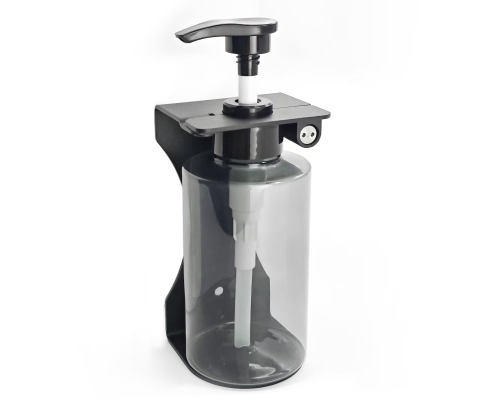
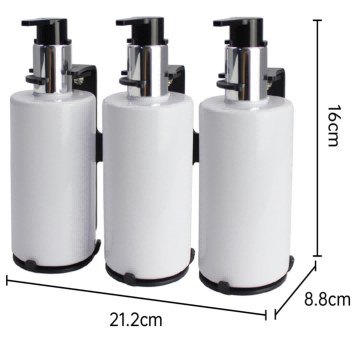
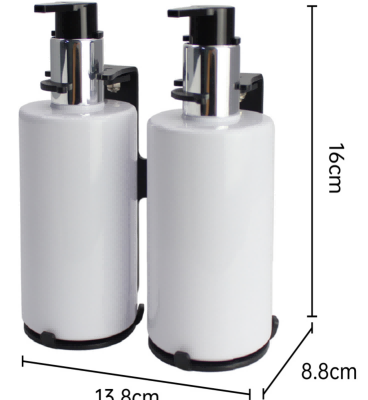
Adjustable magnetic ABS soap liquid dispenser

Part 3: Head-to-Head Comparison

Dimension Stainless Steel Plastic
Durability ★★★★★ (8-10+ years) ★★★☆☆ (2-4 years)
Hygiene ★★★★★ Non-porous, easy to sanitize ★★★☆☆ May harbor bacteria in scratches
Aesthetics ★★★★★ Premium, professional ★★★☆☆ Functional, can mimic metal
Custom Color ★★★☆☆ Limited to finishes ★★★★★ Unlimited colors
Cost ★★☆☆☆ Higher upfront ★★★★★ Lower upfront
Customization MOQ ★★★★★ Low MOQ possible ★★☆☆☆ High MOQ for custom molds
Recyclability ★★★★★ Fully recyclable ★★☆☆☆ Limited, downcycling
Best For Luxury hotels, public spaces, healthcare Mid-range hotels, offices, schools

Part 4: Selection Guide by Scenario

4.1 Luxury Hotels and Resorts

Recommendation: Stainless Steel

For five-star properties and boutique hotels where brand image is paramount, stainless steel is the clear winner. The material’s premium feel, longevity, and hygiene benefits align perfectly with the elevated guest expectations in this segment . Available in multiple finishes—brushed, polished, matte black, rose gold—stainless steel dispensers can be matched to each property’s unique design language .

Guest rooms in luxury hotels: Opt for brushed stainless steel with laser-engraved hotel logos. Capacity of 300-400ml balances aesthetics with practical housekeeping needs .

Public restrooms: 304 stainless steel with 800-1000ml capacity. Sensor-activated models eliminate cross-contamination risk and project technological sophistication .

4.2 Mid-Range and Economy Hotels

Recommendation: Tiered Approach—Stainless Steel for Public Areas, Plastic for Guest Rooms

For three-star and budget hotel chains, procurement budgets are tighter. A tiered approach delivers the best value: premium stainless steel in public areas (lobby restrooms, restaurant washrooms) where guest impressions are formed, and cost-effective plastic dispensers in guest rooms where aesthetics are less critical .

Guest rooms: High-quality ABS plastic in hotel brand colors. 300-400ml capacity. Replace every 3-4 years.

Public areas: Stainless steel (brushed finish) to withstand high-frequency use and project quality.

4.3 Restaurants and Cafés

Recommendation: Depends on Segment

Fine dining and upscale restaurants: Stainless steel. The dispenser should reflect the restaurant’s attention to detail and quality.

Fast-casual and quick-service chains: Plastic. Lightweight, available in brand colors, and cost-effective for high-volume procurement. Manual plastic dispensers are particularly cost-efficient for these settings .

4.4 Healthcare Facilities

Recommendation: Stainless Steel

Hospitals, clinics, and assisted living facilities require the highest hygiene standards. Stainless steel’s non-porous surface and easy sanitization make it the only appropriate choice for these germ-sensitive environments . Sensor-activated models are strongly recommended to eliminate touchpoints.

4.5 Offices and Corporate Buildings

Recommendation: Both Options Viable


  • Executive floors and reception areas:Stainless steel to project professionalism.
  • Employee restrooms: Plastic dispensers (ABS) in neutral colors. Manual pump models are cost-effective and reliable for medium-traffic settings .

4.6 Schools and Educational Institutions

Recommendation: Plastic

Durability is important, but budget constraints and the need for frequent replacements make plastic the practical choice for schools. The availability of bright, fun colors is an added benefit for children’s facilities. Choose impact-resistant ABS plastic and consider manual (rather than sensor) models to minimize maintenance costs .

4.7 High-Traffic Public Spaces

Recommendation: Stainless Steel

Airports, train stations, shopping malls, and stadiums see thousands of users daily. Only stainless steel can withstand this level of wear and tear . The material’s resistance to vandalism and corrosion in these challenging environments makes it the default choice. Sensor-activated, large-capacity (1000ml+) models are recommended.

Part 5: Leekong’s Dual-Production Advantage

At Leekong, we believe the best recommendation is one that matches your specific needs—not one that pushes a single product line. That is why we maintain full production capabilities for both stainless steel and plastic soap dispensers.

Our stainless steel line serves clients requiring premium quality, durability, and design sophistication. We offer multiple finishes, custom laser engraving, and low MOQs that make custom stainless steel accessible to boutique hotels and independent projects.

Our plastic line delivers cost-effective solutions for large-scale deployments. We offer a wide range of colors, custom branding via silk-screening or UV transfer, and the production capacity to fulfill large-volume orders.

Our partnership with Marriott, H World Group, Hunter, and The Guest Supply reflects our ability to meet the rigorous quality standards of global hospitality leaders across both material types. Whether you are outfitting a five-star resort or a budget hotel chain, we have the expertise and production capability to deliver.

Our Commitment

Design support: From initial concept to 3D modeling and prototyping

Customization: Logo application, custom colors, unique finishes, tailored packaging

Quality assurance: ISO 9001-certified production with rigorous quality control

Global compliance: CE, RoHS, and FDA-compliant materials

Flexible MOQs: From small boutique runs to large-scale chain procurement

Conclusion

The choice between plastic and stainless steel soap dispensers is not about which is “better”—it is about which is right for your specific project. Stainless steel excels in premium environments where durability, hygiene, and brand image are paramount. Plastic offers affordability, color variety, and efficiency for large-scale deployments.

By evaluating your project’s usage frequency, budget, and brand positioning, you can make a confident selection. And with Leekong’s dual-production capability, you have a partner who can deliver whichever solution you choose—or both.

Ready to select the perfect soap dispenser for your project? Contact Leekong to discuss your requirements. Our team will help you weigh the options and find the ideal material for your specific needs.

The Ultimate Guide to Sourcing & Selling Soap Dispensers in 2026: Trends, Materials, and Post-Holiday Strategies

Back to work after Chinese New Year? Discover how to choose the right soap dispensers for hotels, homes, and businesses. Explore 2026 trends in materials, touch-free technology, and refillable systems.

Introduction: A Fresh Start for a Clean Industry

It’s officially one week since we wrapped up the Chinese New Year holiday. The red envelopes have been put away, the firecrackers have faded into memory, and here at Leekong, our production lines are running at full capacity again.

This first week back is always a telling one. It sets the tone for the year ahead. We’ve been busy catching up on orders, checking inventory, and—most importantly—listening to what our clients around the world are asking for.

One thing is clear: the humble soap dispenser is having a moment.

No longer just a functional necessity, it has become a statement piece in interior design, a frontline defender in hygiene protocols, and a crucial touchpoint for branding in hotels and restaurants.

Whether you’re a hotel procurement manager stocking up for the season, a retail buyer looking for the next best-seller, or a homeowner wanting to upgrade your space, this guide will walk you through everything you need to know about sourcing and selling soap dispensers in 2026.

Part 1: Understanding the 2026 Market Landscape

The Post-Holiday Supply Chain Reality

As we mentioned in our welcome-back emails, the week following a major holiday like Chinese New Year is a critical window. Factories are ramping up, but so is demand. If you’re planning a large order—whether for custom-branded bottles or bulk commercial units—now is the time to act.

Why?

– Raw Material Availability: Suppliers of plastic resins, glass, and stainless steel are also just getting back to full speed.

– Production Slot Booking: The first quarter of the year often sees a rush of orders. Securing your production slot early ensures you’re not caught in the summer shipping delays.

The Shift Toward “Hygiene-Conscious” Design

Globally, consumers and businesses are more aware of cross-contamination than ever before. This has permanently shifted the design priorities for soap dispensers.

– In Commercial Settings: Touch-free is no longer a luxury; it’s an expectation. Office buildings, airports, and high-end restaurants are moving away from manual pumps to sensor-based systems to reduce the spread of germs.

– In Homes: While manual pumps are still dominant, there’s a growing niche for automatic dispensers in kitchens, especially for handling raw meat and needing to wash hands without touching a dirty pump.

Part 2: Deep Dive into Materials & Durability

Choosing a soap dispenser isn’t just about looks. The material determines its lifespan, its feel, and its price point. Here’s a detailed breakdown:

  1. The Pump: The Heart of the Dispenser

The pump mechanism is the most common failure point. A cheap pump ruins the entire user experience.

– Plastic Springs & Valves: Common in very low-cost units. They are lightweight and cheap but prone to corrosion from liquid soap and fatigue after a few hundred uses. If you’re sourcing for a high-traffic area, avoid these.

– Stainless Steel Springs: The industry standard for mid-to-high range dispensers. Resists rust and maintains tension over thousands of presses.

– All-Metal Exterior Pumps: This is where you see the “luxury feel.” A pump with a zinc alloy or brass body, finished in chrome or matte black, feels solid and weighty. It tells the user “this is quality.” For boutique hotels and luxury retail, this is a must.

  1. The Bottle: Form Meets Function

– Plastic (PET/ABS/HDPE):

– Pros: Lightweight, shatterproof, cheap for shipping.

– Cons: Can feel cheap, may become cloudy over time with certain chemicals.

– Best For: Budget hotels, gyms, promotional giveaways, and travel sizes.

– Glass (Clear/Frosted/Colored):

– Pros: Premium feel, heavy, doesn’t interact with the soap (no chemical taste), highly recyclable.

– Cons: Heavy (higher shipping cost), breakable.

– Best For: High-end home decor, boutique hotels, Airbnb hosts, luxury spas.

– 2026 Trend: Frosted glass with custom labeling is exploding. It hides water spots and gives a spa-like aesthetic.

– Ceramic:

– Pros: Extremely decorative, heavy, holds temperature (cool to the touch).

– Cons: Very heavy, fragile, expensive to mold into unique shapes.

– Best For: High-end retail, decorative home accents, rustic or artisanal-themed hotels.

Part 3: 2026 Color & Design Trends

As we analyze the orders and inquiries coming in this first week back, here’s what’s trending for the year:

The Rise of “Quiet Luxury”

Forget flashy gold and overly ornate designs. The trend is toward clean lines and muted tones.

– Matte Black: Still dominating the market. It doesn’t show fingerprints as badly as chrome and looks incredibly modern in both kitchen and bathroom settings.

– Brushed Nickel & Champagne Gold: A softer alternative to polished gold. It adds warmth without being too flashy.

– Earth Tones: Terracotta, olive green, and warm beige. These colors are being paired with ceramic bottles to create a natural, grounded look in home decor.

– Transparent Amber/Cobalt Blue:** Clear glass is classic, but colored transparent glass is becoming a favorite for kitchen dispensers. It protects the soap from light degradation (if using natural soaps) and adds a pop of color.

Texture is Key

Smooth surfaces are standard, but textured finishes are gaining ground.

– Ribbed Glass: Adds grip and visual interest.

– Matte Finish Ceramic: Soft to the touch, reduces glare.

– Leather Accents: Some high-end dispensers are incorporating leather straps or bases for a unique, handcrafted look.

Part 4: Touch-Free Technology: The Technical Specs You Need to Know

If you’re considering adding automatic soap dispensers to your lineup, whether for commercial or retail, here’s what separates a good sensor dispenser from a frustrating one.

  1. Sensor Response Time

A slow sensor leads to double-dipping or user frustration. Look for dispensers with an infrared sensor response time of less than 0.25 seconds. The dispense should feel instantaneous.

  1. IP Rating (Water Resistance)

In a wet bathroom environment, electronics need protection.

– IPX4: Splash-proof. Minimum standard for a bathroom dispenser.

– IPX6 or Higher: Can withstand powerful water jets. Good for commercial settings where the unit might get hosed down during cleaning.

  1. Adjustable Dispense Amount

Different soaps have different viscosities (thin liquid soap vs. thick foam). A quality automatic dispenser should allow you to adjust the amount of soap dispensed per cycle, usually via a dial inside the battery compartment. This prevents waste and ensures users get enough soap.

  1. Battery Life vs. USB Rechargeable

– Battery-Powered: Standard, easy to replace. Look for units that use standard AA or AAA batteries.

– USB Rechargeable: The newer trend. A built-in lithium battery that can be charged via USB-C. This is more environmentally friendly (no disposable batteries) and is a strong selling point for eco-conscious consumers.

Part 5: Sustainability & Refillable Systems

The conversation around plastic waste is only getting louder. As a supplier or retailer, offering sustainable options is no longer optional.

The “Refillable” Movement

Instead of throwing away a bottle every time it’s empty, consumers want to keep the beautiful dispenser and just refill it.

– Wide Mouth Openings: If you’re designing a private label dispenser, make sure the mouth is wide enough to easily refill without a funnel. A 1.5-inch to 2-inch opening is ideal.

– Durable Construction: The bottle must be sturdy enough to withstand repeated handling. A thin glass bottle that feels fragile will not inspire confidence for long-term use.

Sourcing Eco-Friendly Materials

– Recycled Glass: Using cullet (recycled glass) in manufacturing reduces energy consumption. It’s a great story to tell your customers.

– Bamboo: Bamboo tops and bases are becoming popular as a renewable resource alternative to plastic. They bring a natural, warm element to the bathroom.

– Biodegradable Packaging: Don’t forget the outer box! Using recycled cardboard for your product packaging aligns with the values of the end consumer.

Part 6: Marketing Tips for Your Soap Dispensers

Once you have the perfect product, how do you sell it?

For B2B Sellers (Hotels, Restaurants, Offices):

– Focus on Total Cost of Ownership (TCO): A cheap dispenser that breaks in 3 months costs more in maintenance and guest frustration than a quality one that lasts 3 years.

– Offer Customization: Can you laser-engrave the hotel logo on the bottle? Can you match the pump finish to the hotel’s faucets? This is a huge value-add.

– Highlight Hygiene Compliance: If selling touch-free units, provide data on how they reduce bacterial cross-contamination compared to manual pumps.

For B2C/Retail Sellers:

– Create “Sets”: Bundle a soap dispenser with a matching toothbrush holder, lotion pump, and tissue box cover. This increases average order value.

– Leverage User-Generated Content (UGC): Encourage customers to post photos of your dispensers in their beautiful kitchens and bathrooms. Repost this content on your social media.

– Tell the Material Story: Don’t just say “glass bottle.” Say “This is made from thick, premium frosted glass with a corrosion-resistant stainless steel pump, ensuring it looks beautiful on your countertop for years.”

Conclusion: Your Partner for 2026

As we settle into this productive new year, our mission remains the same: to provide you with high-quality soap dispensers that elevate your brand and delight your customers.

The holiday is over, the workshops are running, and we are ready for you.

Whether you need:

– Bulk stock for an upcoming hotel opening,

– Custom samples for a new product line, or

– Guidance on which materials suit your target market best,

We are just an email away.

Let’s make this year the cleanest, most stylish one yet.

Wishing you a fantastic Friday and a prosperous year ahead!


Rita

Sales Manager

China Leekong Bathroom Supplies Co., Limited

www.Chinasoapdispenser.com

sales@leekong.cn

The December 2025 Roundup: How Scent, Sustainability, and Smart Tech Are Reshaping Hospitality Supplies

If you want to understand where the hotel supplies industry is headed, look no further than the floor of a major trade show. This December, the 31st Guangzhou International Hotel Supplies Fair served as a powerful crystal ball. While robots whirred and new textiles were admired, the most significant shifts weren’t just in the products themselves, but in the fundamental logic of the business. The industry is pivoting from selling discrete items to providing integrated, value-driven solutions—a transformation driven by smart technology, an uncompromising push for sustainability, and a deeper infusion of culture.

  1. The Guangzhou Fair: A Microcosm of Metamorphosis

Held from December 18-20, 2025, the Guangzhou Fair remains the undisputed heartbeat of the Asia-Pacific hospitality sector. This year’s event, sprawling across 250,000 square meters with over 3,000 exhibitors, drew a record crowd exceeding 220,000 professionals. The sheer scale underscored the industry’s resilience and growth.

Beyond the numbers, the narrative was clear. The buzz was no longer solely about who had the whitest towel or the most durable dinnerware. Instead, the conversation centered on integrated systems and holistic value. One standout example was the array of smart, IoT-connected aroma diffusers that promised not just a pleasant scent, but a complete “olfactory asset management” platform for hoteliers. Another was the proliferation of “closed-loop” linen systems, where suppliers offer not just textiles, but also guaranteed take-back, professional laundering, and lifecycle tracking. This shift from product vendor to solution partner was the dominant theme echoing through the halls.

  1. The Intelligence Imperative: IoT and Data Take Center Stage

The most definitive trend of 2025 is the seamless embedding of intelligence into every corner of the hotel supplies chain.

  1. Operational Intelligence: The Rise of the Connected Back-of-House

The kitchen and service areas are becoming hubs of data-driven efficiency. Automatic stir-fry robots and autonomous delivery robots are now equipped with sensors that track usage patterns, predict maintenance needs, and even integrate with inventory management systems to alert when ingredient supplies are low. This isn’t just automation; it’s about generating actionable data that reduces downtime and optimizes labor costs.

  1. Ambient Intelligence: Curating the Guest Experience

Intelligence is moving into the ambient environment to create personalized and memorable stays. The launch of the industry’s first fourth-generation “5S” standard for scent machines represents a leap forward. These IoT-enabled devices allow for remote, zone-by-zone control of scent profiles via a central dashboard. A hotel can program a vibrant, citrus aroma for the gym in the morning, a calming lavender for the spa in the afternoon, and a subtly luxurious signature scent for the lobby in the evening. Suppliers like “Amos” are framing this not as a cost, but as a strategic investment in “olfactory branding”  that can enhance perceived value and, as claimed, reduce management costs by up to 30%.

III. The Green Blueprint: Sustainability as a Core Business Strategy

Sustainability has evolved from a marketing checkbox to a non-negotiable operational and strategic pillar, driven by both policy and potent consumer demand.

  1. The Circular Economy in Action

The linear “take-make-dispose” model is being aggressively challenged. Exhibitors prominently featured:

Closed-Loop Linen Programs: High-quality linens and towels designed for 300+ wash cycles, backed by supplier take-back programs for recycling into new products.

Plant-Based Amenities: Shampoo bottles, combs, and toothbrushes made from biodegradable materials like PLA (polylactic acid) derived from corn starch or sugarcane.

Chemical Management Systems: Advanced, concentrated cleaning solutions paired with smart dispensing systems that minimize waste, plastic packaging, and chemical runoff.

  1. Beyond “Less Bad”: Toward Regenerative Design

The leading edge of this trend is moving beyond reducing harm to creating positive impact. This includes partnerships with environmental NGOs, sourcing materials that support biodiversity, and developing products with a clear and verifiable end-of-life pathway. For procurement officers, the key metrics are shifting from just unit price to Total Cost of Ownership (TCO) and Environmental Impact Scores.

  1. The Soul of the Stay: Cultural Infusion and Experiential Design

In an era where generic design fails to inspire, authenticity is the new currency. The fair highlighted a powerful trend toward cultural storytelling through physical supplies.

  1. From Generic to Narrative-Driven

Products are becoming touch points of a local narrative. This was evident in collections featuring batik-printed pillowcases from Guizhou, ceramics glazed with traditional motifs, and amenity kits packaged in fabrics inspired by intangible cultural heritage. These items transform a standard room into a culturally immersive capsule, offering guests a unique sense of place that cannot be replicated by a global chain’s standardized decor.

  1. The “Atour Model”: Blurring Lines Between Stay and Retail

Hotel group Atour’s staggering success—with Q3 2025 retail sales (primarily of sleep systems) soaring 75.5% year-on-year to RMB 990 million—validates this experiential approach. It demonstrates that guests are willing to purchase the tangible components of a memorable experience. However, this model also sparks a crucial debate on balancing retail innovation with core hospitality service excellence, and the risks of brand dilution if product quality does not match marketing promise.

  1. Navigating the New Landscape: Strategic Takeaways for Hoteliers

For hotel owners, operators, and procurement specialists, these converging trends present both challenge and opportunity. Here is a strategic action plan:

  1. Audit for Integration.

Re-evaluate your supply chain. Are you purchasing isolated items or partnering with providers who offer smart, integrated systems? Prioritize suppliers who provide data insights, lifecycle management, and can demonstrate a clear ROI on smarter, greener products.

  1. Embed Sustainability in Your RFP.

Rewrite your procurement criteria. Include specific, measurable requirements for recycled content, biodegradability, carbon footprint, and take-back programs. Calculate TCO, not just upfront cost.

  1. Curate, Don’t Just Decorate.

Work with designers and suppliers to select items that tell your property’s unique story. Whether it’s a connection to local artisans, landscape, or history, let your supplies be a conduit for authentic guest connection.

  1. Pilot and Partner.

You don’t need to revolutionize everything at once. Start with a pilot project—implement an IoT scent system on one floor, or launch a premium, culturally-themed suite with curated amenities. Partner with innovative suppliers on these pilots to co-develop solutions.

Conclusion: The Future is Fused

The headlines from December 2025 reveal an industry at an inflection point. The future of hotel supplies lies not in any single gadget or fabric, but in the **fusion of intelligence, responsibility, and soul. The winning suppliers will be those who act as strategic partners in crafting efficient, sustainable, and deeply engaging guest experiences. For forward-thinking hoteliers, the supplies they specify are no longer mere operational necessities; they are the essential building blocks of their brand’s future identity and profitability. The message is clear: adapt to this integrated value model, or risk being left behind in a generic, commodity-driven past.

What’s your take on these trends? Is your property exploring smart systems, circular supply chains, or cultural partnerships? Share your thoughts and experiences in the comments below.

The Looming Storm: How a New Section 232 Investigation Could Reshape the Global Hotel Supplies Industry

The global hotel supplies industry, a complex and intricately woven web of manufacturers, exporters, importers, and distributors, is once again holding its breath. The recent announcement by the U.S. Department of Commerce to initiate a new wave of investigations under  Section 232  of the Trade Expansion Act of 1962 has sent ripples of anxiety through the international trade community. For those in the business of furnishing hotels—from grand lobbies to minimalist guest rooms—this is not an unfamiliar alarm. The memory of the 2018  Section 232  tariffs on steel and aluminum, which sent shockwaves through the sector, is still fresh.

This blog post delves deep into the potential implications of this new investigation. We will dissect what Section 232 means, explore its specific impact on the hotel supplies industry , and use the stainless steel soap dispenser as a detailed case study to illustrate the tangible effects on product costing, supply chains, and competitive dynamics. For businesses engaged in foreign trade , understanding these developments is not just beneficial—it is critical for survival and strategic planning in an increasingly volatile global market.

Part 1: Unpacking Section 232–The “National Security” Trump Card

At its core, Section 232 is a U.S. trade law that empowers the Secretary of Commerce to investigate whether certain imports are threatening to impair U.S. national security. Unlike anti-dumping or countervailing duty cases, which target “unfair” pricing or subsidies,  Section 232 is uniquely broad and potent. It operates on the premise that a nation’s economic vitality is integral to its security, and therefore, the weakening of a domestic industry vital to national defense—even indirectly—can be grounds for action.

The process typically unfolds as follows:

  1. Investigation Launch: The Commerce Department can self-initiate an investigation or act upon a request from another government agency or a domestic industry.
  2. Analysis:The Department conducts a thorough review, considering the quantity and nature of the imports, the health of the domestic industry, and the impact on national security.
  3. Report to the President: Within 270 days, the Secretary submits a report to the President with findings and recommendations.
  4. Presidential Action:The President has broad authority to decide on a course of action. Options include imposing tariffs (the most common outcome), setting import quotas, or negotiating agreements with exporting countries to limit volumes. The key point is the discretion is vast.

The 2018 investigation into steel and aluminum resulted in global tariffs of 25% and 10%, respectively. The rationale was that the decline of these primary metal industries was a national security risk, as they are essential for building military equipment, infrastructure, and critical supply chains. The new investigation is rumored to be targeting a broader range of downstream products—precisely the category into which most hotel supplies fall.

Part 2: The Hotel Supplies Industry–A Globalized Ecosystem Under the Microscope 

The hotel supplies industry is a quintessential example of modern globalization. It thrives on intricate, cost-effective, and efficient international supply chains. A single hotel project might source:

Furniture: From Vietnam or Indonesia.

Textiles (linens, towels):  From Pakistan, India, or Turkey.

Amenities (shampoo, soap): From specialized chemical companies, often in the U.S. or Europe.

Hardware and Fixtures: This is the critical category for our discussion. China has become a manufacturing powerhouse for durable, well-designed, and cost-competitive fixtures like faucets, showerheads, towel racks, and, centrally, stainless steel soap dispensers .

These products are often made from steel and aluminum. The 2018 tariffs already increased the cost of the raw materials for manufacturers worldwide. However, a new  Section 232  investigation targeting *finished goods* would represent a seismic escalation. It would not just increase the cost of raw steel but would slap a direct tariff on the final product imported into the U.S.

The U.S. hospitality market is one of the largest in the world. For foreign trade businesses specializing in hotel supplies, losing competitive access to this market is an existential threat. The entire ecosystem—from the Chinese factory producing a stainless steel soap dispenser to the German designer who specified it, to the U.S.-based importer and distributor, and finally to the hotel owner in Miami—is now facing profound uncertainty.

Part 3: A Case Study in Steel–The Stainless Steel Soap Dispenser

Let’s zoom in on a single, ubiquitous item: the  stainless steel soap dispenser . It is a perfect microcosm of the challenges and dynamics at play.

Anatomy of a Product and Its Cost:

  1. Raw Material:The primary component is, of course, stainless steel. The 2018  Section 232 tariffs already added a 25% cost to the steel sheet used by the manufacturer. This cost was partially absorbed by the factory and partially passed on to buyers.
  2. Manufacturing & Labor:This involves cutting, welding, polishing, electroplating (if needed), and assembling the pump mechanism. China’s advantage lies in its mature industrial clusters, skilled labor for metalwork, and economies of scale.
  3. Components:The internal pump, springs, and seals are often sourced from specialized sub-suppliers, which may be in other Asian countries.
  4. Logistics & Shipping:The finished dispensers are packed, palletized, and shipped via ocean freight to the U.S.
  5. Landed Cost & Markup:The U.S. importer pays the purchase price plus shipping and insurance. Upon arrival, they pay existing duties (which are typically low for finished fixtures, around 3-5%). They then add their margin before selling to distributors or large hotel groups.

The Impact of a New 232 Tariff on Stainless Steel Fixtures:

Imagine a new Section 232 investigation concludes that imports of finished stainless steel products threaten the economic viability of U.S. metal fabrication plants (which might supply, for instance, the defense sector). The President decides to impose a 15% tariff on all imported stainless steel sanitary ware, including our  soap dispenser .

Scenario 1: The Direct Cost Shock.

* Pre-Tariff Landed Cost for Importer: $10 per unit.

* New 15% Section 232 Tariff: $1.50 per unit.

* New Landed Cost: $11.50 per unit.

* This 15% increase must be managed. The importer can:

* Absorb the Cost: Eroding their profit margin, potentially making the product line unsustainable.

* Pass it On: Increase the price to the hotel. A large hotel chain ordering 10,000 dispensers now faces a $15,000 increase in cost for a single item.

* A Combination:  Split the pain, which is the most likely outcome.

Scenario 2: Supply Chain Disruption and Sourcing Shifts.

* U.S. importers will be forced to urgently seek alternative suppliers outside of China, perhaps in Vietnam, Mexico, or Turkey. However, these countries may lack the same scale, quality control, or capacity, leading to delays and potentially higher base costs even before the tariff.

* This creates a “whack-a-mole” effect. If production simply shifts to Vietnam, and the U.S. determines that Vietnam is merely a trans-shipment point for Chinese components, it could lead to new tariffs or rules of origin investigations.

* Scenario 3: The “Domestic Production” Mirage. 

The stated goal of Section 232 is to bolster U.S. national security by strengthening domestic industry. However, for a product like a  stainless steel soap dispenser , the entire supply chain—from the specialized steel alloys to the precision plastic pumps—is globally integrated.

Re-shoring this production is incredibly difficult and expensive. The capital investment, retraining of a workforce, and higher operating costs would mean a U.S.-made dispenser could cost 2-3 times the current import price, making it unfeasible for most hotel projects with tight budgets. The likely outcome is not a resurgence in U.S. manufacturing, but simply higher costs for American businesses (hotels) and consumers (guests).

Part 4: Strategic Responses for the Foreign Trade Ecosystem

For players in the hotel supplies foreign trade arena, proactive strategy is essential. Waiting for the investigation to conclude is a recipe for reactive panic.

For Manufacturers (e.g., in China):

  1. Diversify, Diversify, Diversify:This is the number one priority. Accelerate plans to establish manufacturing footprints in other countries, such as Southeast Asia or Eastern Europe, to create tariff-neutral sourcing options for your clients.
  2. Value Engineering:Work on developing alternative products that use different materials or designs that might fall outside a potential tariff classification. Could a composite material be used for certain parts?
  3. Deepen Client Relationships:Communicate transparently with your U.S. importers about your contingency plans. Become a strategic partner, not just a supplier.

For U.S. Importers & Distributors:

  1. Supply Chain Mapping:Conduct a thorough audit of your product lines. Identify every item that could be vulnerable to a metals-based  Section 232   The humble  stainless steel soap dispenser  is just the start; consider towel bars, trash cans, faucets, and door handles.
  2. Inventory Management:Consider strategic stockpiling of high-risk items. While costly, having a 6-12 month buffer could provide breathing room to find new suppliers if tariffs hit.
  3. Price Renegotiation and Hedging:Engage in frank discussions with your overseas suppliers about sharing the potential cost burden. Explore contracts that include tariff escalation clauses.
  4. Communicate with Customers:Warn your hotel group clients about potential price increases. Help them understand the external geopolitical factors driving these changes. Transparency builds trust.

For Hoteliers and End-Users:

  1. Budgetary Flexibility:For new builds and renovations, build contingency funds into budgets specifically for potential tariff-related cost increases.
  2. Consider Alternative Specifications:Be open to your designers and purchasers proposing alternative products or materials that achieve the same aesthetic and functional goal but are less exposed to trade risks.
  3. Long-Term Planning:Lock in pricing with distributors as early as possible, with an understanding of potential adjustments based on government action.

Conclusion: Navigating the New Abnormal in Global Trade

The renewed use of Section 232 signifies a permanent shift away from the post-WWII consensus on multilateral, rule-based trade towards a more unilateral and security-driven approach. For the hotel supplies industry , this is not a temporary disruption but a “new abnormal.”

The stainless steel soap dispenser is a symbol of this new reality—a seemingly simple object caught in the crosshairs of complex geopolitical and economic forces. The coming months will be critical. The Commerce Department’s investigation, its findings, and the President’s response will set the course for the next chapter of foreign trade .

The businesses that will thrive are those that see this not just as a threat, but as an imperative to build more resilient, agile, and diversified supply chains. Agility, transparency, and strategic partnerships will be the most valuable currencies in this uncertain landscape. The storm clouds are gathering; the time to prepare is now.

The 2025 China International Fair for Trade in Services: A Catalyst for Global Economic Transformation and the Hotel Supplies Industry

The China International Fair for Trade in Services (CIFTIS) has established itself as a premier global platform for fostering international cooperation, driving innovation, and promoting trade liberalization in the service sector. As the 2025 edition approaches, its significance extends far beyond China’s borders, offering a vision for the future of service-driven economies worldwide. For industries such as hotel supplies, this event is not merely an exhibition but a strategic hub for innovation, partnerships, and market expansion. This blog delves into how CIFTIS 2025 will reshape the global economic landscape, with a particular focus on the hotel supplies industry. It highlights key players like Leekong and groundbreaking innovations such as soap dispensers, while also exploring broader implications for global trade and sustainability.

  1. CIFTIS 2025: A Global Stage for Service Trade

CIFTIS is China’s flagship event for trade in services, reflecting the nation’s strategic shift from manufacturing-led growth to a service-oriented economy. The 2025 fair will emphasize themes like digital transformation, sustainability, and global supply chain resilience. With participation from over 80 countries and regions, it will serve as a critical forum for dialogues on regulatory harmonization, cross-border investment, and technological collaboration. For the global economy, CIFTIS acts as a catalyst for:

Accelerating Digital Trade: The fair will showcase advancements in fintech, smart logistics, and digital healthcare, fostering cross-border partnerships in these areas.

Promoting Sustainable Development: Green services, circular economy models, and ESG (Environmental, Social, Governance) standards will take center stage, aligning with global sustainability goals.

Fostering Inclusivity: Small and medium-sized enterprises (SMEs) and developing economies will gain access to new markets, technologies, and investment opportunities.

The event will also address pressing global challenges, such as climate change and economic inequality, by promoting inclusive and sustainable trade practices.

  1. The Hotel Supplies Industry: A Microcosm of Innovation

The Hotel supplies industry is a vital component of the global service economy, deeply influenced by trends in tourism, hospitality, and consumer behavior. In the post-pandemic era, the industry has prioritized hygiene, automation, and sustainability. CIFTIS 2025 will highlight these shifts, with companies like Leekong leading the charge through innovative products and solutions.

Key Trends Shaping the Industry:

Smart Hygiene Solutions: Automated soap dispensers have evolved from basic devices to IoT-enabled systems that monitor usage, reduce waste, and enhance guest experiences.

Sustainability: The industry is increasingly adopting biodegradable materials, energy-efficient equipment, and circular supply chains to minimize environmental impact.

– Customization: Hotels are seeking tailored solutions that reflect their brand identity, from luxury resorts to eco-friendly hostels, driving demand for customizable products.

Integration with Smart Hotels: The rise of smart hotels has accelerated the integration of connected devices, such as smart soap dispenser, into broader hotel management systems, enabling seamless operations and improved guest satisfaction.

3.soap dispenser: The Unsung Hero of Hotel Hygiene

The soap dispenser (soap dispenser) exemplifies how innovation can transform a simple product into a smart, sustainable solution. At CIFTIS 2025, these devices will be showcased as part of comprehensive smart bathroom ecosystems, highlighting their role in enhancing hygiene and sustainability.

Innovations insoap dispenser Technology:

IoT Integration: Modern soap dispenser are equipped with sensors that track soap usage in real-time, enabling predictive maintenance and reducing operational costs. This data can be integrated into hotel management systems for efficient resource allocation.

 Touchless Operation: Infrared or motion-sensing technology minimizes cross-contamination, addressing critical hygiene concerns in the post-pandemic world.

Eco-Design: Refillable systems using concentrated, biodegradable soaps significantly reduce plastic waste, aligning with global sustainability initiatives.

Aesthetic and Functional Diversity: soap dispenser are now available in various designs, materials, and functionalities, catering to the diverse needs of hotels and resorts.

Companies like Leekong are pioneering these innovations, partnering with technology firms to develop next-generation soap dispenser that offer enhanced functionality, sustainability, and user experience.

Strategies for Success:

Product Diversification: Beyond soap dispenser, Leekong offers a wide range of products, including smart mirrors, energy-efficient laundry systems, and automated cleaning devices, catering to the evolving needs of the hospitality industry.

Global Partnerships: CIFTIS provides Leekong with a platform to forge alliances with distributors, retailers, and technology partners from Europe, North America, and beyond, facilitating its entry into new markets.

Sustainability Certification: By adhering to global standards like ISO 14001 and obtaining eco-label certifications, Leekong enhances its credibility and appeal in environmentally conscious markets.

Customer-Centric Innovation: Leekong invests heavily in understanding customer needs, enabling it to develop products that offer practical solutions and enhance operational efficiency for hotels.

At CIFTIS 2025, Leekong will unveil its next-generationsoap dispenser, featuring AI-driven usage analytics, modular designs for easy upgrades, and enhanced sustainability features. This product launch underscores the company’s commitment to innovation and its ambition to lead the global hotel supplies market.

  1. CIFTIS 2025: Implications for the Global Economy  

The impact of CIFTIS 2025 extends far beyond the hotel supplies industry. The fair will play a pivotal role in:

 Boosting Global Trade: By reducing barriers to service trade and promoting cross-border collaboration, CIFTIS fosters a more integrated and resilient global economy.

Driving Technological Diffusion: Innovations debuted at CIFTIS, particularly in digital services and sustainability, will quickly spread to other sectors, such as healthcare, retail, and logistics, driving widespread economic transformation.

Enhancing Chinas Soft Power: As a champion of open trade, technological innovation, and sustainability, China strengthens its position as a global leader, shaping international norms and standards in the service sector.

Addressing Global Challenges: CIFTIS will facilitate discussions on how service trade can contribute to solving pressing issues like climate change, economic inequality, and public health crises.

  1. Challenges and Opportunities

Despite its promise, the hotel supplies industry faces several challenges:

Supply Chain Disruptions: Geopolitical tensions, logistics bottlenecks, and resource shortages require companies to develop resilient and adaptable supply chain strategies.

Regulatory Hurdles: Differing standards and regulations across markets complicate international expansion, necessitating harmonization efforts and compliance investments.

Intense Competition: Western giants like Ecolab and Kimberly-Clark dominate premium segments, posing challenges for emerging players like Leekong.

However, CIFTIS 2025 offers a platform to address these challenges through dialogue, collaboration, and innovation. For example:

Supply Chain Resilience: The fair will showcase solutions like digital supply chain platforms and regional sourcing strategies to mitigate disruptions.

Regulatory Harmonization: CIFTIS will host dialogues on aligning standards, making it easier for companies to navigate global markets.

Competitive Differentiation: By emphasizing innovation and sustainability, companies like Leekong can carve out unique market positions and compete effectively with established players.

  1. The Future of the Hotel Supplies Industry Post-CIFTIS 2025

The hotel supplies industry is poised for transformative growth, driven by the trends and innovations highlighted at CIFTIS 2025. Key developments to watch include:

Full Integration of IoT and AI: Smart devices like soap dispenser will become integral to hotel operations, enabling predictive maintenance, personalized guest experiences, and efficient resource management.

Sustainability as a Standard: Eco-friendly products and practices will transition from being differentiators to industry norms, driven by regulatory requirements and consumer demand.

Expansion into Emerging Markets: Growing tourism in regions like Southeast Asia, Africa, and Latin America will create new opportunities for hotel supplies companies to expand their global footprint.

Collaborative Innovation: Partnerships between technology firms, hotel chains, and supplies manufacturers will accelerate the development of next-generation solutions.

Companies that embrace these trends and leverage platforms like CIFTIS to showcase their innovations will be well-positioned to lead the industry in the coming decades.

  1. Conclusion: The Future Is Service-Driven

CIFTIS 2025 will underscore the centrality of services in the global economy, with the Hotel supplies industry serving as a model of innovation and adaptation. For companies like Leekong, the fair is a springboard to global relevance, driven by products as simple yet transformative as the soap dispenser (smart soap dispenser). As the world embraces digitalization and sustainability, CIFTIS will remain a critical force shaping our economic future, fostering collaboration, innovation, and inclusive growth across borders.

The event not only highlights China’s growing influence in the global service trade but also demonstrates how cooperation and innovation can address shared challenges and create a more sustainable and prosperous world. For stakeholders in the hotel supplies industry and beyond, CIFTIS 2025 is an unmissable opportunity to witness the future of trade and participate in shaping it.

Leekong Hotel bathroom soap dispenser manufacturer, accepts ODM&OEM and unique customization services

The Magnetic Stranglehold: How Trump’s 200% Tariff Threat on China Ripples All the Way to Your Hotel Bathroom

Introduction: An Invisible Dependency

We live in a world powered by the invisible. In the palm of your hand, in the car you drive, and in the very room you’re sitting in, countless devices hum with life thanks to a technological marvel most never think about: the permanent magnet. Not just any magnet, but high-performance rare-earth magnets, primarily made from an alloy called Neodymium (NdFeB).

These magnets are the silent, powerful hearts of the modern world. They turn the motors in electric vehicles, spin the turbines in wind generators, and drive the hard drives and speakers in our computers. Their strength, efficiency, and miniaturization are unparalleled. And as former President Donald Trump loudly proclaimed on the campaign trail, China holds a near-total monopoly on their production. His threat? A staggering 200% tariff on Chinese-made magnets unless the supply is secured on his terms—a move he claims is vital for national and economic security.

While the discourse focuses on EVs and missiles, the ripple effects of such a tectonic shift in trade policy would be felt far and wide, reaching deep into the seemingly unrelated corridors of the global hotel industry. How? The answer might surprise you the next time you check into a hotel and wave your hand under an automated soap dispenser.

Part 1: The Core of the Crisis – China’s Magnetic Monopoly

First, let’s dissect Trump’s claim. Is it just political hyperbole? Surprisingly, the facts largely back him up.

The Scale of Dominance: China controls over 90% of the global production of rare earth permanent magnets. This dominance isn’t accidental. It stems from a decades-long, state-supported strategy to control the entire value chain—from mining the raw rare earth minerals (where China also holds a commanding share) to the complex processes of refining, alloying, and magnet sintering.

Why It Matters: These magnets aren’t a commodity like steel or plastic. They are a critical enabler of high-tech and green technology. An electric vehicle uses several kilograms of them. A single modern wind turbine can use up to a ton. Without a stable, affordable supply, the ambitions of nations and corporations to transition to a green economy hit a monumental roadblock.

The Trump Doctrine: Tariffs as a Blunt Instrument: Trump’s proposed solution is classic Trumpian economics: use the sledgehammer of tariffs to smash the dependency. A 200% tariff is not designed to be a nuisance; it’s designed to be a kill switch.

The goal is twofold:

  1. Compel Immediate Concession: To strong-arm China into “supplying” magnets on terms more favorable to the U.S., potentially involving direct deals or forced technology transfers.
  2. Onshore Production: To make Chinese magnets so prohibitively expensive that U.S. manufacturers are forced to source elsewhere, thereby catalyzing a rebirth of the magnet and rare earth processing industry in America almost overnight.

The immediate analyses focused on the big-ticket items: the added cost to EVs, the impact on national defense contractors, and the potential for renewed inflation. But protectionism, like gravity, pulls everything downward. The cost increases trickle down through every layer of the manufacturing ecosystem, eventually landing in the most unexpected places.

Part 2: The Unlikely Connector: Magnets in the Modern Hotel Industry

Now, let’s step into the world of hospitality. The hotel industry is a master of ambiance, experience, and operational efficiency. In the relentless pursuit of these goals, technology has become deeply embedded, much of it relying on the very components caught in the crosshairs of a new trade war.

Consider the modern, upscale hotel bathroom. It’s a sanctuary designed for convenience and a touch of futuristic elegance. Gone are the messy, germ-ridden bar soaps and pump bottles. In their place is the sleek, hygienic, and touch-free sensor soap dispenser.

(Image: An infographic breaking down a sensor soap dispenser, highlighting the small but powerful neodymium magnet inside the motor that drives the pump.)

This ubiquitous device is a perfect case study. Inside every automated soap dispenser is a small electric motor that drives the pump. And inside that tiny motor, providing the precise and powerful force needed for its quick, reliable operation, is a neodymium magnet.

The hospitality industry buys these dispensers by the millions. They are in every guest room, every public restroom, in gyms, and in spas. For a large hotel chain like Marriott or Hilton, a standard renovation or new build project might involve ordering hundreds of thousands of units. Their reliability is non-negotiable; a malfunctioning dispenser leads to guest complaints, maintenance calls, and a perceived drop in quality.

Currently, these units are affordable. Manufacturers, primarily based in China or sourcing their components from there, can produce them at a cost that allows hotels to purchase them in bulk without a second thought. The entire supply chain is optimized around this Chinese dominance.

Part 3: The Ripple Effect: 200% Tariffs Check Into the Hotel

So, what happens when Trump’s 200% tariff is implemented?

Phase 1: The Direct Hit to Hardware Suppliers

The companies that manufacture sensor soap dispensers face an immediate and catastrophic cost increase. The core component driving the motor—the magnet—has suddenly seen its price multiply. A magnet that cost $1 now costs $3. This doesn’t just add $2 to the final product cost; it creates inflationary pressure on the entire manufacturing process. The cost of the motor assembly goes up, the cost of the final assembly goes up, and the overhead is spread across a now more expensive product.

Phase 2: The Hospitality Industry’s Soaring OPEX

The hotel industry is a business of razor-thin margins where operational expenditure (OPEX) is meticulously managed. The purchasing managers for major hotel chains now receive new quotes from their suppliers for automated soap dispensers. The price has potentially doubled.

They are faced with a brutal set of choices:

Choice A: Absorb the Cost: Eat the massive price increase, destroying their profitability on rooms and putting downward pressure on employee wages and other guest experience investments.

Choice B: Pass it On to the Guest: Increase room rates. In a competitive market, this is a dangerous game. The guest may not understand why a stay at a mid-tier hotel now costs 10% more, and they will simply book elsewhere.

Choice C: Degrade the Experience: Go backwards. Abandon the touch-free, hygienic standard and revert to cheap, wall-mounted plastic bottles or bar soaps. This is a devastating step back for an industry that sells itself on quality, cleanliness, and modern comfort. A guest’s perception of a hotel’s cleanliness is paramount, and a downgraded bathroom amenity sends a powerfully negative message.

Phase 4: The Innovation Freeze

Beyond immediate costs, innovation grinds to a halt. Hotel brands are constantly looking for the next amenity to differentiate themselves. Imagine smart mirrors with integrated displays, advanced climate control systems, or even in-room robotics—all concepts in development. Nearly all of them rely on high-efficiency motors and actuators powered by neodymium magnets. A trade war that makes these components unaffordable doesn’t just impact today’s soap dispensers; it postpones the next generation of hotel technology indefinitely.

Part 4: Beyond the Bathroom – A Hotel’s Silent Magnetic Dependency

The soap dispenser is just the tip of the iceberg. A hotel’s reliance on magnets is pervasive:

HVAC Systems: The compressors in modern, energy-efficient heating and cooling systems use magnetized motors.

Security Systems: Key card readers, electronic door locks, and alarm systems all contain critical magnetic components.

Kitchen and Laundry: The motors in industrial dishwashers, elevators, and laundry machinery are major consumers of magnetic technology.

Back of House: Computers, servers, and power backup systems all rely on this technology.

A 200% tariff on the core component of all this machinery doesn’t just affect capital expenditure (CAPEX) for new builds; it cripples the maintenance and replacement budget for existing properties. The cost of replacing a failed HVAC motor could become prohibitive.

Conclusion: The High Cost of Decoupling

Donald Trump’s threat of a 200% tariff on Chinese magnets is framed as a bold move to reclaim American economic sovereignty. The intended targets are clear: electric vehicles and defense. However, the law of unintended consequences dictates that the shrapnel from this economic policy will fly far and wide, embedding itself in the fabric of everyday business and life.

The hotel industry, a global sector that relies on predictability, cost control, and continuous innovation to provide a seamless guest experience, finds itself an unwitting casualty. The journey from a geopolitical tariff threat to a higher minibar bill or a less luxurious bathroom experience is shorter than it appears. It is a journey powered by a tiny, powerful magnet—a reminder of how interconnected and fragile our globalized supply chain truly is.

The path to a secure supply of critical materials is necessary, but it must be tread carefully. A sledgehammer approach might aim for China’s monopoly but end up smashing the sophisticated, cost-effective ecosystem that supports industries from clean energy to something as simple as ensuring a hotel guest can get a squirt of soap without touching a germ-laden pump. The true test of policy is not just in protecting national security, but in understanding and mitigating the cascading effects that eventually check in at every hotel door.

In the world of hospitality, details are everything. The guest experience is a tapestry woven from countless threads—from the thread count of the sheets to the warmth of the welcome. One often underestimated yet crucial thread is the humble bathroom soap dispenser. It’s a point of direct, tactile interaction multiple times a day. The right choice says “quality,” “thoughtfulness,” and “brand consistency.” The wrong choice can lead to frustration, mess, and a perceived lack of care.

Selecting a soap dispenser is not a one-size-fits-all decision. The ideal model for a luxury resort is vastly different from that of a budget-friendly motel. This guide will walk you through the key considerations and provide tailored recommendations for every major hotel category.

Key Considerations Before You Choose

Before diving into hotel types, establish your core criteria:

  1. Durability and Viability: Hotels are high-traffic environments. Dispensers must withstand constant use, occasional rough handling, and frequent cleaning with chemicals. Look for robust materials like cast metal, high-grade ABS plastic, or solid ceramic.
  2. Functionality and User-Friendliness: The mechanism must work flawlessly. Pumps should be smooth and require minimal pressure. Lever mechanisms should be intuitive. Avoid anything overly complicated that might confuse or frustrate a guest.
  3. Capacity and Maintenance: Larger capacities mean fewer refills, saving housekeeping time and labor costs. Opt for dispensers that are easy to open, fill, and clean to streamline operations.
  4. Aesthetics and Design: The dispenser must complement the bathroom’s design ethos. It should feel like an integrated part of the décor, not an afterthought.
  5. Sustainability: Modern travelers are increasingly eco-conscious. Refillable dispensers significantly reduce single-use plastic waste compared to individual miniature bottles. This is not just an environmental choice but a powerful marketing message.
  6. Cost: Factor in the total cost of ownership: the initial unit price, the cost of bulk soap refills, and the long-term maintenance and replacement costs.

Dispenser Recommendations by Hotel Type

1. Luxury & 5-Star Hotels

Guest Expectation: Seamless, elegant, and memorable perfection. Every element should feel premium, bespoke, and exceptionally high-quality.

  • Recommended Type: Wall-mounted, automated (sensor-operated) dispensers or high-end manual pumps.
  • Material: Brushed nickel, polished chrome, bronze, or brass are ideal for a timeless, luxurious feel. For a more modern aesthetic, consider matte black finishes or even crystal/glass accents. Solid ceramics with a high-gloss glaze also convey opulence.
  • Why It Works:

               Sensor-operated models offer the ultimate in hygiene and modern luxury—guests never touch the unit.

The weight and cool touch of metal signal quality and substance.

Look for models with minimal branding or the option for custom engraving of the hotel’s logo for a truly bespoke touch.

  • Product Suggestion: A heavy-gauge stainless steel sensor dispenser with a quiet, precise motor. The design should be sleek and minimalist.

2. Boutique & Design-Led Hotels

Guest Expectation: Unique, Instagram-worthy, and thoughtfully curated. Design is a primary driver of the experience.

  • Recommended Type: This is where you can get creative. Unique manual pumps, sculptural ceramic vessels, or dispensers integrated into the mirror or wall are all possibilities.
  • Material: Almost anything goes: matte ceramics in unique colors, reclaimed wood with a glass reservoir, colored glass, or brushed metals in unusual finishes like copper or rose gold.
  • Why It Works: The bathroom fixture becomes a conversation piece. It reinforces the hotel’s unique narrative and design story. The focus is on aesthetics and creating a cohesive visual theme.
  • Product Suggestion: A hand-thrown ceramic dispenser from a local artist or a geometrically shaped pump in a bold, contrasting color that matches the hotel’s branding.

3. Business & Conference Hotels

Guest Expectation: Efficiency, reliability, and functionality. Guests are often on a tight schedule and value things that work simply and effectively.

  • Recommended Type: Large-capacity, wall-mounted manual lever pumps.
  • Material: Durable, commercial-grade plastic or metal. Finishes should be smudge-resistant like brushed nickel or matte finishes.
  • Why It Works:

              Lever pumps are universally understood and reliable. They have fewer mechanical parts to fail than sensors.

              Large capacity reduces the chance of a dispenser running out during a guest’s stay, minimizing complaints and housekeeping calls.

The aesthetic is clean, professional, and unobtrusive.

  • Product Suggestion: A 1000ml+ capacity dispenser with a metal lever and lockable, easy-fill reservoir. It’s a workhorse designed for performance and durability.

4. Resort & Spa Hotels

  • Guest Expectation: Relaxation, wellness, and immersion in a natural or serene environment. The experience should feel nurturing and holistic.
  • Recommended Type: Wall-mounted manual pumps or sensor models that evoke a spa-like feel.
  • Material: Natural materials are key. Think bamboo, teak wood, stoneware, or pebble-shaped ceramics. Soothing, earthy tones like sand, grey, and soft green work well.
  • Why It Works: Materials like bamboo are sustainable and directly connect to a natural, calming aesthetic. The design should feel organic and soft, avoiding harsh lines or industrial looks. The soap itself is often a premium, aromatherapeutic blend.
  • Product Suggestion: A dispenser with a bamboo housing or a smooth, river-stone-shaped ceramic pump. Sensor models here should be nearly silent to maintain the tranquil atmosphere.

5. Budget & Limited-Service Hotels

Guest Expectation: Cleanliness, value, and practicality. The priority is providing a functional, hygienic, and cost-effective solution.

  • Recommended Type: Simple, lockable wall-mounted pumps or integrated dispenser systems (combined shampoo, conditioner, body wash).
  • Material: High-impact, durable ABS plastic.
  • Why It Works:

            Cost-effectiveness is paramount. These units are affordable to purchase and replace.

            Combined 3-in-1 systems save space, reduce installation points, and simplify the housekeeping process.

Locking mechanisms prevent tampering and waste.

They offer the significant sustainability and cost-saving benefits of bulk amenities over single-use bottles.

  • Product Suggestion: A simple, white or neutral-colored lockable plastic pump with a clear reservoir for easy monitoring of soap levels.

6. Eco-Friendly & Sustainable Hotels

Guest Expectation: Authentic commitment to environmental practices. Every choice must reflect this core brand value.

  • Recommended Type: Dispensers made from recycled or highly sustainable materials. Refill models are a must.
  • Material: Post-consumer recycled plastic, reclaimed wood, bamboo, or aluminum (highly recyclable).
  • Why It Works: It validates the hotel’s mission. The story is important—guests will appreciate knowing the dispenser is made from 100% recycled ocean plastic or sustainably sourced bamboo. This choice aligns with the bulk-fill model, which is the most significant way to reduce amenity waste.
  • Product Suggestion: A dispenser certified by a sustainability organization, made from 100% recycled materials, and paired with a vegan, cruelty-free, and biodegradable soap formula.

Final Checklist for Procurement

  • Test the Mechanism: Order a sample. Is the pump smooth? Is the sensor responsive?
  • Check Refill Availability: Ensure the bulk soap you plan to use is compatible with the mechanism to avoid clogs.
  • Consider Installation: Do you need a professional to drill into tile? Are there adhesive options for surfaces you can’t drill?
  • Plan for Maintenance: Train housekeeping on proper refilling and cleaning procedures to ensure longevity.

Conclusion

The soap dispenser is a small fixture with a big job. It is a functional tool, a design element, and a communicator of your brand’s values. By carefully selecting a dispenser that aligns with your specific hotel type, target guest, and operational needs, you invest in an detail that elevates the entire guest experience, proving that true luxury and quality are always in the details.

Best Western and the Evolution of Hotel Amenities: The Case of Disposable Soap Dispensers

Introduction

The hospitality industry is constantly evolving, with hotel chains striving to enhance guest experiences while maintaining operational efficiency and sustainability. Among the leading global hotel brands, “Best Western” has established itself as a trusted name, offering consistent quality and comfort across its properties. One of the critical yet often overlooked aspects of hotel operations is the provision of “hotel amenities”, particularly “disposable soap dispensers”.

In recent years, the shift from single-use toiletries to bulk dispensers has been a significant trend, driven by both environmental concerns and cost efficiency. However, the debate between “disposable soap bottles” and “refillable dispensers” continues, with brands like “hotel soap dispenser supplier” emerging as key players in the hospitality supply chain.

This blog post explores “Best Western”s approach to hotel amenities, the role of “disposable soap dispensers” in modern hospitality, and how hotel soap dispenser supplier companies are influencing the industry.

  1. Best Western Hotel Group: A Brief Overview

1.1 History and Growth

Founded in 1946, Best Western began as a small network of independent hotels in the United States. Unlike traditional hotel chains, Best Western operated as a non-profit membership association, allowing independent hoteliers to maintain ownership while benefiting from collective branding and marketing.

Over the decades, Best Western expanded globally, now operating over 4,700 hotels in more than 100 countries. The brand has diversified into multiple tiers, including:

– Best Western (mid-scale)

– Best Western Plus (upper mid-scale)

– Best Western Premier (upscale)

– BW Signature Collection (boutique-style)

– Executive Residency by Best Western (extended-stay)

1.2 Commitment to Sustainability and Guest Comfort

Best Western has consistently adapted to industry trends, including eco-friendly initiatives. The hospitality sector has faced increasing pressure to reduce plastic waste, leading many hotels to reconsider their amenity strategies.

While some luxury chains have opted for high-end, branded mini-toiletries, budget and mid-scale hotels like Best Western have increasingly turned to bulk soap dispensers to minimize waste and costs. However, the debate over disposable vs. refillable soap bottles remains relevant.

  1. The Role of Hotel Amenities in Guest Experience

2.1 Why Amenities Matter

Hotel amenities play a crucial role in shaping guest perceptions. Items such as soap, shampoo, conditioner, and lotion may seem trivial, but they significantly impact comfort and satisfaction.

– Convenience: Guests expect basic toiletries to be provided.

– Brand Image: High-quality amenities enhance perceived value.

– Hygiene: Especially post-pandemic, guests prefer sealed or single-use products.

2.2 The Shift from Mini-Bottles to Dispensers

For years, hotels relied on single-use plastic bottles for shampoos and soaps. However, due to environmental concerns (millions of mini-bottles end up in landfills yearly), many cities and countries have banned them.

Best Western, like other chains, has explored alternatives:

– Refillable wall-mounted dispensers (more sustainable but raise hygiene concerns).

– Disposable soap bottles with pump dispensers (a middle-ground solution).

This is where companies like hotel soap dispenser supplier come into play, supplying hotels with cost-effective, hygienic, and eco-conscious amenity solutions.

  1. Disposable Soap Dispensers: Pros and Cons

3.1 What Are Disposable Soap Dispensers?

Unlike traditional mini-bottles, disposable soap dispensers are larger pump bottles designed for single-room use. They hold more product, reducing the frequency of replacement, but are still discarded after each guest’s stay (or after a certain period).

3.2 Advantages

Reduced Plastic Waste (compared to mini-bottles, fewer are used per stay).

Cost-Effective (bulk purchasing lowers expenses).

Hygienic (guests prefer unused, sealed products).

Branding Opportunities (custom labels enhance professionalism).

3.3 Disadvantages

Still Not Fully Sustainable (they are thrown away eventually).

Potential for Theft or Waste (guests may take entire bottles).

Refill Challenges (some hotels prefer refillable systems for long-term savings).

3.4 Best Western’s Approach

Best Western properties vary in their amenity strategies. Some franchisees use refillable dispensers, while others opt for disposable pump bottles to balance hygiene and cost. The brand encourages eco-friendly practices, but final decisions often rest with individual hotel owners.


  1. hotel soap dispenser supplier: A Key Player in Hotel Amenity Supply

4.1 Who Is hotel soap dispenser supplier?

hotel soap dispenser supplier is a manufacturer and supplier specializing in hotel amenities, including:

– Disposable soap dispensers

– Shampoo & conditioner bottles

– Dental kits

– Other guest essentials

The company serves budget to mid-scale hotels, providing affordable yet presentable solutions.

4.2 Why Hotels Choose hotel soap dispenser supplier

– Cost Efficiency: Bulk purchasing reduces per-unit costs.

– Custom Branding: Hotels can add logos for a professional touch.

– Hygiene Compliance: Sealed disposable bottles reassure guests.

– Regulatory Adaptation: Helps hotels comply with plastic bans.

4.3 hotel soap dispenser supplier’s Impact on Best Western

Many Best Western franchisees source amenities from suppliers like hotel soap dispenser supplier due to their competitive pricing and reliability. As the hospitality industry moves toward sustainable yet practical solutions, partnerships with such suppliers will remain crucial.

  1. The Future of Hotel Amenities: Trends and Predictions

5.1 Biodegradable and Refillable Solutions

The next evolution may involve:

– Plant-based disposable bottles (compostable materials).

– Smart dispensers (monitor usage to prevent waste).

– Water-saving formulations (concentrated soaps).

5.2 Guest Preferences Shaping the Market

Surveys indicate that:

– 65% of travelers prefer sustainable amenities.

– Yet 40% still prioritize hygiene over eco-friendliness.

This duality means hotels like Best Western must strike a balance.

5.3 Best Western’s Potential Moves

– Standardizing eco-policies across franchises.

– Partnering with green suppliers for innovative solutions.

– Educating guests on sustainability efforts.

Conclusion

The discussion around hotel amenities, particularly disposable soap dispensers, reflects broader industry challenges: sustainability vs. convenience, cost vs. quality, and hygiene vs. environmental impact.

Best Western, as a global mid-scale leader, must navigate these factors while maintaining guest satisfaction. Suppliers like hotel soap dispenser supplier play a pivotal role by offering practical, affordable solutions that align with evolving regulations and consumer expectations.

As the hospitality sector continues to innovate, disposable soap bottles may eventually give way to even greener alternatives. However, for now, they remain a key component of hotel operations, ensuring both guest comfort and operational efficiency.

For hoteliers, the lesson is clear: adaptability is essential. Whether through refillable systems, biodegradable disposables, or smart dispensers, the future of hotel amenities will be shaped by technology, sustainability, and guest demand.

Would you like additional insights on specific Best Western locations or amenity suppliers? Let me know in the comments!


That humble vessel by your sink – the soap dispenser – holds more power than you might think. Beyond just delivering suds, it represents a daily choice with significant environmental and economic consequences: disposable, single-use dispensers versus their refillable, reusable counterparts. It’s a battle between ultimate convenience and long-term sustainability. Which one truly cleans up its act? Let’s lather up the facts and dive deep into the pros and cons of each contender.

The Contender: The Disposable (Single-Use) Soap Dispenser

  • The Premise:Buy it pre-filled, use it until empty, toss the entire unit (bottle, pump, and all), replace. Rinse and repeat.
  • The Allure (Advantages):
  1. Ultimate Convenience:This is the undisputed king of ease. No messy refills, no hunting for compatible soap. Just grab a new one off the shelf, pop off the cap (or sometimes just twist the pump to activate), and you’re ready to wash. Perfect for short-term rentals, infrequently used guest bathrooms, or situations demanding absolute minimal effort.
  2. Perceived Hygiene:The “brand new, sealed unit” factor offers a strong psychological sense of cleanliness and germ avoidance. For high-risk environments like hospitals or food prep areas (though often regulated differently), this feels
  3. Initial Lower Cost (Sometimes):The upfront price for a single disposable unit is often very low, sometimes even appearing cheaper than buying a refillable dispenser plus soap initially.
  4. Guaranteed Compatibility:The soap is perfectly matched to the pump mechanism, eliminating clogs or poor performance due to soap viscosity issues. What you buy is what you get.
  5. Design Variety:Manufacturers constantly roll out new designs, colors, and fragrances. Want seasonal scents or trendy aesthetics? Disposables offer frequent novelty.
  • The Downside (Disadvantages):
  1. Environmental Impact – The Elephant in the Room: This is the major, glaring flaw. Disposable dispensers are a plastic waste disaster. Every single empty unit ends up in landfill (or worse, litter), contributing massively to plastic pollution. Even if recycled (which requires separating components – often not done), the sheer volume is unsustainable. Think about the pump mechanism, the spring, the bottle – all trashed after a single use.
  2. Long-Term Cost: While cheap upfront, constantly buying entirely new dispensers is significantly more expensive over time compared to buying large refill bags or bottles of soap. You’re paying for plastic packaging repeatedly.
  3. Resource Intensity: Manufacturing each new dispenser (plastic molding, metal spring, assembly, packaging, transportation) consumes far more raw materials and energy than simply producing a refill pouch.
  4. Limited Soap Choice: You’re locked into the specific soap formulation and scent that came with the dispenser. Want to switch to an organic, hypoallergenic, or different scent? You need a whole new dispenser.
  5. Potential for Waste: If the pump fails prematurely or the soap isn’t fully depleted when you feel the need to replace it (perhaps for hygiene perception), usable soap and functional plastic are wasted.

The Challenger: The Refillable Soap Dispenser

  • The Premise: Invest in one durable dispenser. Keep it functioning for years by adding soap from pouches or bulk bottles when it runs low. The dispenser itself is designed for longevity.
  • The Strengths (Advantages):
  1. Significant Environmental Win: This is the core benefit. Refillables drastically reduce plastic waste. You discard only the thin plastic refill pouch (which uses much less plastic than a rigid bottle and pump) or, even better, refill from large bulk containers. Over years, the savings in landfill contribution are immense.
  2. Cost-Effectiveness: While the initial dispenser purchase might be higher, the long-term savings are substantial. Buying soap in bulk refill pouches or large bottles is significantly cheaper per ounce than constantly buying new disposable units. You pay for soap, not redundant plastic packaging.
  3. Durability & Quality: Refillable dispensers are generally built better. They often feature higher-quality pumps (metal springs, ceramic pistons), sturdier bottles (glass, thick plastic, stainless steel), and more robust mechanisms designed for repeated use. They feel less flimsy.
  4. Freedom of Choice: Unleash your inner soap connoisseur! Easily switch between different soap types (hand, dish, antibacterial, moisturizing), brands, scents, or formulations (organic, hypoallergenic, unscented) without changing your dispenser. Buy large economical refills of your favorite brand.
  5. Aesthetic Flexibility & Personalization: Refillables come in a vast array of durable, attractive materials and styles (glass, ceramic, bamboo, sleek metal) that can complement your home decor long-term. They offer a more permanent, personalized look.
  6. Reduced Resource Consumption: Manufacturing one durable dispenser used for years consumes far fewer resources overall than producing dozens of disposable ones.
  • The Challenges (Disadvantages):
  1. Refilling “Hassle”: This is the main perceived drawback. Refilling requires an extra step – opening the dispenser, pouring or squeezing in new soap (sometimes messily), and closing it up. It’s less instantaneous than grabbing a new disposable.
  2. Cleaning Needs: To prevent soap scum buildup, bacterial growth (especially around the pump mechanism), or residue mixing between refills, periodic cleaning is necessary. This adds another maintenance task.
  3. Initial Investment: A well-made, attractive refillable dispenser costs more upfront than a single disposable one.
  4. Potential for Clogs/Leaks: Using very thick or incompatible soaps, or failing to clean the pump occasionally, can lead to clogging or leaking, especially with cheaper refillable models. Requires a bit more user attention.
  5. Refill Compatibility: While generally flexible, some pump mechanisms might struggle with extremely viscous soaps. You need to ensure your chosen soap works well with your dispenser’s pump.

The Verdict: Towards a More Sustainable Suds Future

The evidence overwhelmingly favors refillable soap dispensers for the vast majority of home and regular business uses. While disposables offer undeniable, albeit fleeting, convenience and a strong perception of hygiene, their environmental cost is simply too high to justify as a default choice in our plastic-choked world. The constant generation of complex plastic waste is unsustainable.

Refillables represent a smarter, more responsible approach:

  1. Planet-Friendly: Drastically reduce plastic waste and resource consumption. One durable dispenser replaces dozens, if not hundreds, of disposable units over its lifetime.
  2. Wallet-Friendly: Save significant money over the long haul. The initial investment is quickly recouped through the drastically lower cost per wash of bulk soap refills. You stop paying for redundant packaging and mechanisms.
  3. Quality & Choice: Offer better durability, aesthetics (materials like glass, stainless steel, ceramic elevate any space), and freedom in soap selection. Enjoy higher-performing pumps and the ability to experiment with different formulations.

Addressing the Concerns: The “hassle” of refilling is minimal – it takes mere seconds and quickly becomes routine. Cleaning is simple (a warm water rinse and occasional vinegar soak for the pump mechanism) and is actually crucial for maintaining hygiene in any dispenser type over extended periods. The initial cost is a one-time investment in quality that pays dividends.

When Disposables Might Make Sense (The Exceptions):

  1. Truly Temporary Situations: Short-term vacation rentals, weekend cabins, construction sites, or disaster relief scenarios where setting up and retrieving a permanent fixture isn’t practical.
  2. Specific High-Sterility Protocols: Certain controlled environments like isolation rooms in hospitals or specialized labs might mandate sealed, single-use units under strict protocols (though often, professionally managed bulk-fill systems with sterile bags are preferred).
  3. User Compliance Challenges: In some uncontrolled public restroom settings where vandalism is a concern or ensuring proper refilling/cleaning procedures by staff or the public is impossible (though large, wall-mounted bulk-fill systems are increasingly the better solution here too).

Making the Switch Smoothly & Effectively:

  1. Invest Wisely: Choose a refillable dispenser made of durable, easy-to-clean materials (glass, stainless steel, high-quality BPA-free plastic) with a reliable, well-reviewed pump mechanism. Look for wide-neck openings for easier filling.
  2. Find Your Optimal Refill: Look for soap sold in large, flexible pouches designed for refilling or concentrate that you dilute. Many eco-conscious brands now offer specific “eco-refill” options. Buying in gallon-sized containers maximizes savings and minimizes packaging per ounce.
  3. Embrace Bulk Buying: For home use, purchasing soap in the largest economical size (gallons, multi-packs of refill pouches) significantly reduces cost per use and overall packaging waste.
  4. Establish a Cleaning Routine: Incorporate cleaning the dispenser into your regular bathroom or kitchen deep clean. Every few refills (or monthly), disassemble the pump if possible, rinse all parts thoroughly with warm water, and soak in a vinegar solution to dissolve soap scum and mineral deposits. Rinse well before reassembling. Wipe down the exterior regularly.
  5. Match Soap to Pump: If using very thick lotion soaps or castile soap, ensure your dispenser’s pump is rated for higher viscosity to prevent clogs. Most standard pumps handle regular liquid hand or dish soap perfectly.

Conclusion: A Choice Beyond Convenience

The seemingly simple choice between a disposable and refillable soap dispenser is a microcosm of our modern consumption habits. It pits the seductive ease of the throwaway culture against the mindful responsibility of reuse. While disposable dispensers offer an undeniable, frictionless experience, their true cost – measured in mountains of plastic waste, squandered resources, and higher long-term expenditure – is one our planet and wallets can ill afford.

Refillable soap dispensers, requiring just a minimal increment of effort (seconds for refilling, minutes for occasional cleaning), deliver profound benefits: a dramatic reduction in plastic pollution, substantial financial savings over time, superior durability and aesthetic appeal, and the liberating freedom to choose any soap you desire.

Choosing refillable is more than just a practical decision; it’s a small, tangible step towards a more sustainable future. It fosters a conscious relationship with everyday objects and disrupts the cycle of constant consumption. By embracing the refill, we actively participate in reducing waste and conserving resources.

So, next time your soap runs low, consider making the switch. Invest in a dispenser built to last, enjoy the variety and savings of bulk soap, and take pride in that small act of environmental stewardship. It’s time to move beyond the disposable model, one simple, satisfying refill at a time. Your hands, your budget, and the Earth will feel the positive difference.

Portfolio Items