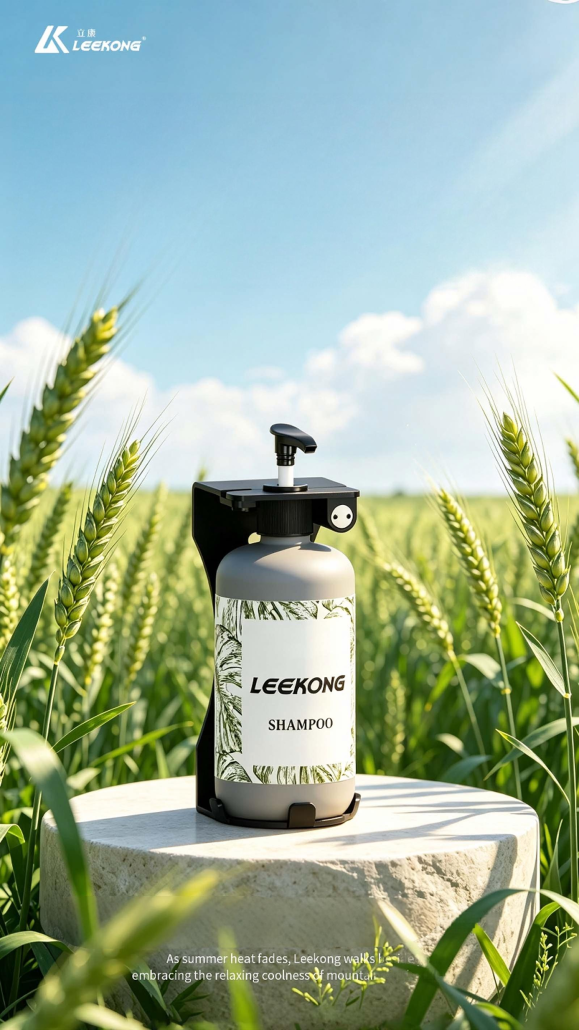
The New Era of Eco-Friendly Hotels: How Sustainable Amenities Are Reshaping Guest Experience and Hotel Competitiveness in 2026
—A Strategic Upgrade from “Plastic Reduction Compliance” to “Value Creation”
Introduction: Sustainability Is No Longer a “Bonus” — It’s a “License to Operate”
In 2026, the global hotel industry stands at a critical turning point. Consequently, sustainability has evolved from a fringe topic into a core competitive dimension of the industry. Data shows that 85% of travelers consider sustainable travel important. 36% of travelers plan to prioritize accommodations with sustainability certifications in 2026. More notably, travelers who value sustainability are willing to pay an 11.7% premium per night for eco-friendly stays — a figure that would have been almost unimaginable just five years ago.
What does this mean? Consequently, sustainability is no longer a ‘nice-to-have’ bonus for hotels; it is rapidly becoming a ‘must-have’ market access requirement. For hotel procurement decision-makers and brand operators, the depth of this shift must be understood. Adjusting amenity strategies accordingly has become a strategic imperative.
Leekong manufactures soap and paper dispensers for global hotels. Brands include Marriott, H World Group, Hunter, and The Guest Supply. Moreover, this article analyzes the core trends shaping eco-friendly hotels in 2026. It explores how sustainable amenities, particularly refillable dispensing systems, can become a key lever for hotels. This lever helps them achieve environmental goals, enhance guest experience, and strengthen brand differentiation.
Part 1: Core Trends Shaping Eco-Friendly Hotels in 2026
1.1 From “Recyclable” to “Intelligent”: The New Face of Green Consumption
Additionally, in 2026, green consumption in hotels converges on three directions: energy structure optimization, green construction, and eco-friendly consumable replacement. Among these, eco-friendly consumable replacement is most directly relevant to Leekong’s business.
In the amenities sector, the industry is transforming from single-use to refillable products. It is shifting from passive compliance to active innovation. More and more hotels are promoting refillable bath products, voluntarily moving away from single-use plastics, and cultivating green hotel practices. Searches for low-carbon and green hotels on OTA platforms have risen year over year. The number of low-carbon hotel listings has grown rapidly.
1.2 Sustainable Design Integrated into Premium Experiences
Contemporary eco-friendly hotels are weaving sustainability into every layer of design. Natural materials such as bamboo, reclaimed wood, and stone are widely used. Large windows, green roofs, and open layouts reduce reliance on artificial lighting and cooling. The key, however, is that sustainability does not mean sacrificing luxury. Guests expect eco-friendly spaces to also deliver premium quality — soft organic linens, non-toxic finishes, and biophilic design that brings nature indoors.
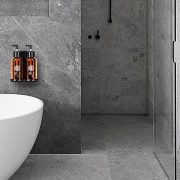
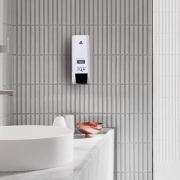
This trend places higher demands on amenity selection: refillable dispensers must not only be eco-friendly but also possess the aesthetic quality to match high-end hotel interior design.
1.3 Intelligent Resource Management Becomes Standard
In 2026, technology plays a critical role in sustainability. Smart systems adjust energy and water use in real time, optimizing efficiency without compromising guest comfort. Low-flow showers, sensor lighting, and refillable amenities have become standard configurations. Many hotels have completely eliminated single-use plastics, replacing them with reusable or biodegradable alternatives.
Guests increasingly recognize these efforts and actively seek out hotels that align with their values. This means that a hotel’s eco-friendly choices in amenities are becoming a direct factor influencing booking decisions.
1.4 “Conscious Travel” Becomes the New Luxury
In 2026, luxury is being redefined. It is no longer just about ornate décor and high-end facilities — it is about conscious, meaningful, and responsible experiences. Guests can gain deeper emotional connections through guided nature walks, local cultural projects, conservation activities, or wellness retreats rooted in natural environments.
Travelers increasingly value authenticity and impact, making sustainability initiatives a key differentiator for hotels. In this context, eco-friendly amenity choices are no longer a “hidden cost” but a “visible value.”
Part 2: Refillable Dispensing Systems — A Win-Win for Sustainability and Business
2.1 The Quantified Value of Plastic Reduction
The hotel industry generates approximately 150 million tons of plastic waste annually, a significant proportion of which comes from bathroom toiletries, food and beverage consumption, and laundry packaging. Refillable dispensing systems are a core path to addressing this problem.
Take Groupe GM’s Ecofill system as an example. Its lightweight, recyclable refill pouches reduce plastic waste by up to 97% compared to single-use mini-bottles, and by 70% compared to typical bulk refill systems, significantly lowering a property’s carbon footprint. Radisson Hotel Group’s practice is even more instructive: 91% of its hotels already use soap dispensers in public restrooms, and the group plans to roll out reusable dispensers across all its properties, eliminating an estimated 57 million mini-bottles and reducing approximately 500 tons of plastic annually.
For hotel procurement decision-makers, these figures translate into two key metrics: lower waste disposal costs and quantifiable outcomes for ESG reporting.
2.2 Operational Efficiency Gains
Refillable systems are not only eco-friendly — they also significantly improve operational efficiency. Groupe GM’s Ecofill system enables staff to replace refill pouches in 30 seconds, balancing efficiency with high standards of cleanliness and reliability.
Leekong’s dispensing systems excel particularly in this dimension. Our product design allows bottle replacement in just five seconds, dramatically reducing housekeeping time costs. Compared to traditional single-use mini-bottles, Leekong systems save 75% in material consumption. They also reduce plastic and liquid waste by 85%. We do not discard any half-empty bottles, which explains this result.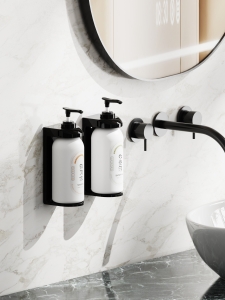
2.3 Brand Differentiation and Guest Experience
As a result, refillable dispensers shift from functional accessories to components of the brand experience. The choice of premium materials — such as Groupe GM’s newly launched Stonecast material, made primarily from stone powder, combining durability with refined design — elevates dispensers from purely functional objects into unique elements of guest experience and interior design.
For hotel brands, this means the sustainable transformation of amenities is not just cost optimization — it is a vehicle for brand storytelling. When guests see a well-designed, reliable refillable dispenser in the bathroom, they perceive the brand’s commitment to quality, detail, and the environment.
Part 3: Certification and Compliance — The New Rules for 2026
3.1 WTTC Certification System Upgrade
In 2026, the global hotel sustainability certification landscape underwent a major change. As a result, WTTC’s Hotel Sustainability Basics has shifted to an independent third-party certification aligned with GSTC.
The framework sets out 12 practical measures covering energy and water efficiency, waste reduction, emissions, support for local communities, and environmental sustainability. Since its launch in 2022, the program has been adopted by more than 8,000 hotels across 85 countries.
This transition directly impacts hotel procurement decisions. Certification requires hotels to monitor procurement practices and use key performance indicators such as the proportion of eco-friendly items and the percentage of local sourcing. This means that when selecting amenity suppliers, hotels need partners who can provide clear, verifiable environmental credentials and data.
3.2 The Driving Force of EU Regulations
The EU’s Directive on Empowering Consumers for the Green Transition connects the WTTC certification system upgrade to the directive. This directive imposes higher requirements on how environmental and sustainability claims are substantiated and communicated. Hotels must back environmental claims with substantive procurement decisions, as greenwashing space rapidly shrinks.
Against this backdrop, choosing amenity suppliers with genuine environmental benefits is not just a brand image issue — it is a compliance risk issue.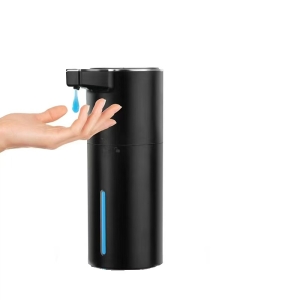
Part 4: Leekong’s Sustainable Amenity Solutions
4.1 Dual Production Capability: Plastic and Stainless Steel Eco-Friendly Options
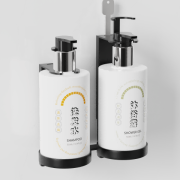
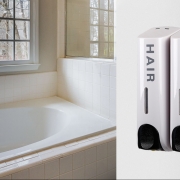
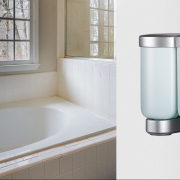
Leekong maintains complete dual production lines for both plastic and stainless steel soap dispensers and paper dispensers. With dual production lines, we offer a suitable material solution aligned to a hotel’s needs.
Stainless Steel Dispensers: Made from 304 stainless steel, these offer exceptional durability with a commercial lifespan of 8–10 years or more. Their non-porous surface resists bacterial growth and is easy to clean, making them ideal for premium hotels and public areas. Stainless steel’s full recyclability also makes it an ideal choice for the circular economy.
Plastic Dispensers: Manufactured from ABS or food-grade PP materials, these are lightweight, cost-effective, and suitable for large-scale deployment. Our plastic products are also designed with sustainability in mind — reusable for over 600 cycles, significantly reducing single-use plastic consumption.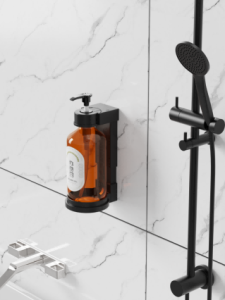
4.2 Refillable Systems: End-to-End Sustainability from Design to Operations
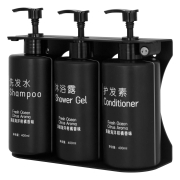
Leekong’s refillable dispensing systems fundamentally change the amenity consumption model. Our system design enables refilling in just five seconds, while saving 75% in material consumption and reducing plastic and liquid waste by 85% — because there are no half-empty bottles being discarded.
For hotel operations, this means lower purchase frequency, reduced waste disposal costs, and higher housekeeping efficiency. For guest experience, it means a consistently adequate soap supply and a consistently tidy bathroom environment.
4.3 Customization Capability: Aligning Sustainability with Brand Identity
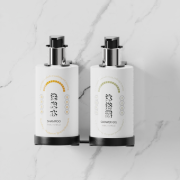
Leekong offers comprehensive customization services ranging from logo printing to color customization, from surface finishes to packaging design. Hotels can extend their brand identity, brand colors, and design language onto soap dispensers and paper dispensers, making sustainable amenities a seamless part of the brand experience.
Our experience serving globally renowned brands including Marriott, H World Group, Hunter, and The Guest Supply has given us deep insight into the differentiated needs of hotels across positioning levels when it comes to quality, design, and sustainability.
Conclusion: The Strategic Value of Sustainable Amenities
In 2026, eco-friendly hotels have moved from “niche choice” to “mainstream expectation.” Sustainability is no longer a “cost item” in hotel operations — it is a strategic asset for brand differentiation, guest loyalty, and long-term competitiveness.
Refillable dispensing systems — including soap dispensers and paper dispensers — are at the heart of this transformation. They are simultaneously a direct tool for plastic reduction, a visible carrier of brand value, and a lever for operational efficiency.
For hotel procurement decision-makers, choosing a sustainable amenity supplier is no longer just about selecting products — it is about choosing a strategic partner who can help the hotel achieve ESG goals, enhance guest experience, and strengthen brand positioning.
Leekong is committed to being that partner. With dual production capability, flexible customization services, and experience collaborating with the world’s leading hotel brands, we help hotels transform sustainability from a “compliance requirement” into a “competitive advantage.”
Is your hotel ready to embrace the new standard of sustainable amenities? Contact us to learn how Leekong can help you achieve both environmental goals and brand value.