
2026 Hotel Amenities Surge: Procurement Strategies
—A Strategic Pivot for Hotel Procurement
Introduction
The hotel industry faced its first major shock of 2026. It stemmed from raw material markets, not demand softness or staffing shortages. Costs for hotel guest amenities have been climbing relentlessly. Factory-gate prices now change almost daily, with morning quotes often invalid by afternoon. Logistics costs are rising in parallel, and many hotel supply intermediaries are feeling the squeeze. The impact has not yet fully reached front-line hotel operations. However, sustained cost pressures will directly translate into higher procurement bills. For properties, this change is imminent.
Hotel procurement teams now stand at a crossroads. Do they continue with traditional consumable-based purchasing models, absorbing one price shock after another? Or do they rethink their procurement strategy from the ground up? This article analyzes the drivers behind the cost surge. It presents a viable path for hoteliers to regain control of their supply chains.
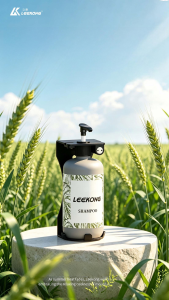
Part 1: The Two Main Drivers—Cotton Yarn and Petroleum
1.1 Cotton Yarn: Up Nearly 20% in Two Months
The core raw material for hotel towels, bath mats, and bed linens is cotton yarn. Prices for 32s and 40s pure cotton yarn were about USD 3400 per ton before the Spring Festival. These yarns typically account for more than 70% of linen product costs. By late March, they had surged past USD$4,000, a nearly 20% increase in just two months.
What makes the situation even more challenging is the sheer unpredictability. One linen manufacturer complained that fixed quotes. When a customer calls for a price, they must first check with the yarn supplier. By the time they call back, the price has often changed. Some distributors have received adjustment notices from upstream mills. They state: Effective immediately, all products are subject to same-day pricing. Quoted prices are valid only on the day of inquiry. A veteran distributor with over a decade of experience remarked, “In the past, price increases were like boiling a frog slowly.We feel boiling water pouring over us now.
The root cause lies in structural supply constraints. Structural supply constraints reduced Xinjiang’s cotton planting area by 5 to 7 million mu (330,000–470,000 hectares), a decline over 10%. Farmers are switching to wheat, and the resulting drop in expected cotton output has naturally driven prices higher.
1.2 Petroleum: PP Prices Jump USD$300/Ton in a Single Day
If you think switching to a polyester-cotton blend will save costs, think again—polyester is also derived from petroleum, and oil prices are rising too.
The upstream source for plastic resins is crude oil. Toothbrush handles, combs, slipper soles, shower gel bottles—these everyday hotel consumables all come from the petrochemical value chain: crude oil → naphtha → ole-fins → plastic resins, with each link adding cost. In late February, some institutions foretasted oil prices hitting $100 a barrel, triggering widespread market panic.
On March 9, PP resin (used for toothbrush handles) jumped USD$300 per ton in a single day—whereas a weekly increase of USD$30 had previously been considered substantial. PET resin (used for shower gel bottles) surged USD$243 per ton in one day, and by the end of March had accumulated a 34.8% increase month-over-month. Pure benzene spiked USD$385 per ton in a single session. According to the H1 2026 interim report of listed company Jiangnan Gaofiber, the average purchase price of polypropylene (PP) in the first half reached USD$1264.35 per ton, up 24.65% year-on-year.
In Hangji, Yangzhou—China’s largest production base for hotel daily necessities—upstream petrochemical plants began to “suspend offers” or ration sales from early March. Where a buyer could previously order 100 tons and receive 100 tons, now an order of 100 tons might only yield 20 tons, forcing them to source the rest elsewhere—only to find that other suppliers are also rationing.
Part 2: The Hotel Industry’s Dilemma—Costs Are Rising, But Room Rates Cannot Follow Suit
The impact of the raw material surge is hitting every category:
Linens: Towels, bath mats, and bed sheets are directly affected, with pure cotton yarn rising nearly 20% in two months.
Plastic-based amenities: Toothbrushes, combs, slippers, shower gel bottles, shampoo bottles—virtually all guest consumables are seeing price hikes. PP prices averaged 24.65% higher in the first half of 2026.
Sensor-operated equipment: Soap dispensers, automatic paper towel dispensers, and other electronic amenities are also under pressure due to rising costs of electronic components and plastic housings.
The fundamental contradiction, however, is this: costs are up, but room rates cannot easily follow suit. Economy hotels risk losing price-sensitive guests if they raise rates, and independent properties have little bargaining power. Profit margins are being compressed on all sides. Industry analysts suggest that 2026 could trigger a wave of consolidation in the hospitality sector.
Part 3: The Path Forward—Shifting from a “Consumables” Mentality to a “Durables” Mentality
In the face of this price surge, hotel procurement must re-examine a fundamental question: What are you actually buying—single-use consumables, or long-lasting assets?
3.1 Long-Term Cost Efficiency
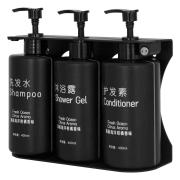
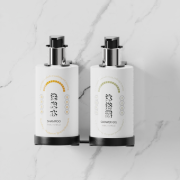
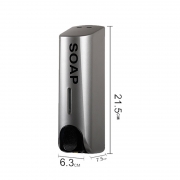
A bottle of shower gel or a toothbrush is gone after one use—you have to buy it again next time. But a stainless steel soap dispenser or paper towel dispenser can last 5, 8, or even 10 years. When PP resin has risen 25% in six months, the cost of single-use plastic bottles climbs with it—while the cost of a durable stainless steel dispenser was locked in at the time of purchase. Over the long term, the per-use cost of durable dispensers is far lower than that of disposable consumables.
3.2 Environmental Compliance and Brand Value
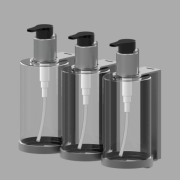
The EU’s single-use plastics ban and China’s Green Hotel standards are accelerating the transition. Refillable soap dispensers can reduce plastic usage by an average of 56–77% compared to disposable mini-bottles. A growing number of hotel groups are placing ESG at the core of their strategy. Switching to fixed dispensers is not only a compliance measure but also a brand-boosting move that resonates with increasingly eco-conscious guests.
3.3 Supply Chain Stability, Avoiding Price Volatility
When upstream raw materials fluctuate wildly—quotations changing daily, if not hourly—relying on a “buy-today, use-today” consumables model means continuous exposure to price volatility. In contrast, durable dispensers involve a one-time procurement decision. You place your order, lock in the price, and you are no longer affected by whether PP resin spikes another USD$155 tomorrow.
3.4 Operational Efficiency Gains
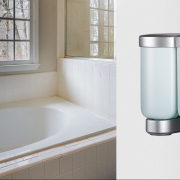
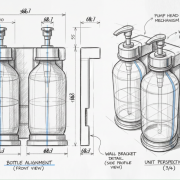
Large-capacity refillable dispensers significantly reduce refill frequency, easing the burden on housekeeping staff. Transparent view windows allow staff to check liquid levels at a glance, eliminating unnecessary “open and check” steps and preventing the guest complaints that occur when dispensers run dry.
Conclusion
The 2026 hotel amenities price surge may appear to be a cost crisis on the surface, but at a deeper level, it is a catalyst for industry transformation. Moving from “buying consumables” to “investing in durable assets,” and from “passively absorbing price hikes” to “actively controlling costs,” is not just about short-term profits—it is about long-term competitiveness.
Leekong is committed to providing hotels with high-quality custom solutions in stainless steel and plastic soap dispensers, as well as paper towel dispensers. We help hotels replace single-use consumables with durable assets, building a procurement moat that withstands cost volatility.
Is your hotel ready for the current cost surge? Contact us to learn how durable dispensers can help you achieve long-term cost optimization.