The Ultimate Guide to Sourcing & Selling Soap Dispensers in 2026: Trends, Materials, and Post-Holiday Strategies
Back to work after Chinese New Year? Discover how to choose the right soap dispensers for hotels, homes, and businesses. Explore 2026 trends in materials, touch-free technology, and refillable systems.
Introduction: A Fresh Start for a Clean Industry
It’s officially one week since we wrapped up the Chinese New Year holiday. The red envelopes have been put away, the firecrackers have faded into memory, and here at Leekong, our production lines are running at full capacity again.
This first week back is always a telling one. It sets the tone for the year ahead. We’ve been busy catching up on orders, checking inventory, and—most importantly—listening to what our clients around the world are asking for.
One thing is clear: the humble soap dispenser is having a moment.
No longer just a functional necessity, it has become a statement piece in interior design, a frontline defender in hygiene protocols, and a crucial touchpoint for branding in hotels and restaurants.
Whether you’re a hotel procurement manager stocking up for the season, a retail buyer looking for the next best-seller, or a homeowner wanting to upgrade your space, this guide will walk you through everything you need to know about sourcing and selling soap dispensers in 2026.
Part 1: Understanding the 2026 Market Landscape
The Post-Holiday Supply Chain Reality
As we mentioned in our welcome-back emails, the week following a major holiday like Chinese New Year is a critical window. Factories are ramping up, but so is demand. If you’re planning a large order—whether for custom-branded bottles or bulk commercial units—now is the time to act.
Why?
– Raw Material Availability: Suppliers of plastic resins, glass, and stainless steel are also just getting back to full speed.
– Production Slot Booking: The first quarter of the year often sees a rush of orders. Securing your production slot early ensures you’re not caught in the summer shipping delays.
The Shift Toward “Hygiene-Conscious” Design
Globally, consumers and businesses are more aware of cross-contamination than ever before. This has permanently shifted the design priorities for soap dispensers.
– In Commercial Settings: Touch-free is no longer a luxury; it’s an expectation. Office buildings, airports, and high-end restaurants are moving away from manual pumps to sensor-based systems to reduce the spread of germs.
– In Homes: While manual pumps are still dominant, there’s a growing niche for automatic dispensers in kitchens, especially for handling raw meat and needing to wash hands without touching a dirty pump.
Part 2: Deep Dive into Materials & Durability
Choosing a soap dispenser isn’t just about looks. The material determines its lifespan, its feel, and its price point. Here’s a detailed breakdown:
- The Pump: The Heart of the Dispenser
The pump mechanism is the most common failure point. A cheap pump ruins the entire user experience.
– Plastic Springs & Valves: Common in very low-cost units. They are lightweight and cheap but prone to corrosion from liquid soap and fatigue after a few hundred uses. If you’re sourcing for a high-traffic area, avoid these.
– Stainless Steel Springs: The industry standard for mid-to-high range dispensers. Resists rust and maintains tension over thousands of presses.
– All-Metal Exterior Pumps: This is where you see the “luxury feel.” A pump with a zinc alloy or brass body, finished in chrome or matte black, feels solid and weighty. It tells the user “this is quality.” For boutique hotels and luxury retail, this is a must.
- The Bottle: Form Meets Function
– Plastic (PET/ABS/HDPE):
– Pros: Lightweight, shatterproof, cheap for shipping.
– Cons: Can feel cheap, may become cloudy over time with certain chemicals.
– Best For: Budget hotels, gyms, promotional giveaways, and travel sizes.
– Glass (Clear/Frosted/Colored):
– Pros: Premium feel, heavy, doesn’t interact with the soap (no chemical taste), highly recyclable.
– Cons: Heavy (higher shipping cost), breakable.
– Best For: High-end home decor, boutique hotels, Airbnb hosts, luxury spas.
– 2026 Trend: Frosted glass with custom labeling is exploding. It hides water spots and gives a spa-like aesthetic.
– Ceramic:
– Pros: Extremely decorative, heavy, holds temperature (cool to the touch).
– Cons: Very heavy, fragile, expensive to mold into unique shapes.
– Best For: High-end retail, decorative home accents, rustic or artisanal-themed hotels.
Part 3: 2026 Color & Design Trends
As we analyze the orders and inquiries coming in this first week back, here’s what’s trending for the year:
The Rise of “Quiet Luxury”
Forget flashy gold and overly ornate designs. The trend is toward clean lines and muted tones.
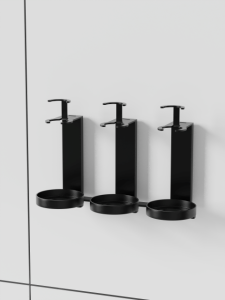
– Matte Black: Still dominating the market. It doesn’t show fingerprints as badly as chrome and looks incredibly modern in both kitchen and bathroom settings.
– Brushed Nickel & Champagne Gold: A softer alternative to polished gold. It adds warmth without being too flashy.
– Earth Tones: Terracotta, olive green, and warm beige. These colors are being paired with ceramic bottles to create a natural, grounded look in home decor.
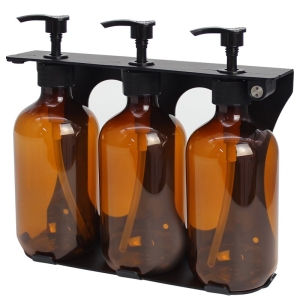
– Transparent Amber/Cobalt Blue:** Clear glass is classic, but colored transparent glass is becoming a favorite for kitchen dispensers. It protects the soap from light degradation (if using natural soaps) and adds a pop of color.
Texture is Key
Smooth surfaces are standard, but textured finishes are gaining ground.
– Ribbed Glass: Adds grip and visual interest.
– Matte Finish Ceramic: Soft to the touch, reduces glare.
– Leather Accents: Some high-end dispensers are incorporating leather straps or bases for a unique, handcrafted look.
Part 4: Touch-Free Technology: The Technical Specs You Need to Know
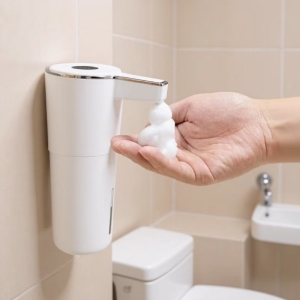
If you’re considering adding automatic soap dispensers to your lineup, whether for commercial or retail, here’s what separates a good sensor dispenser from a frustrating one.
- Sensor Response Time
A slow sensor leads to double-dipping or user frustration. Look for dispensers with an infrared sensor response time of less than 0.25 seconds. The dispense should feel instantaneous.
- IP Rating (Water Resistance)
In a wet bathroom environment, electronics need protection.
– IPX4: Splash-proof. Minimum standard for a bathroom dispenser.
– IPX6 or Higher: Can withstand powerful water jets. Good for commercial settings where the unit might get hosed down during cleaning.
- Adjustable Dispense Amount
Different soaps have different viscosities (thin liquid soap vs. thick foam). A quality automatic dispenser should allow you to adjust the amount of soap dispensed per cycle, usually via a dial inside the battery compartment. This prevents waste and ensures users get enough soap.
- Battery Life vs. USB Rechargeable
– Battery-Powered: Standard, easy to replace. Look for units that use standard AA or AAA batteries.
– USB Rechargeable: The newer trend. A built-in lithium battery that can be charged via USB-C. This is more environmentally friendly (no disposable batteries) and is a strong selling point for eco-conscious consumers.
Part 5: Sustainability & Refillable Systems
The conversation around plastic waste is only getting louder. As a supplier or retailer, offering sustainable options is no longer optional.
The “Refillable” Movement
Instead of throwing away a bottle every time it’s empty, consumers want to keep the beautiful dispenser and just refill it.
– Wide Mouth Openings: If you’re designing a private label dispenser, make sure the mouth is wide enough to easily refill without a funnel. A 1.5-inch to 2-inch opening is ideal.
– Durable Construction: The bottle must be sturdy enough to withstand repeated handling. A thin glass bottle that feels fragile will not inspire confidence for long-term use.
Sourcing Eco-Friendly Materials
– Recycled Glass: Using cullet (recycled glass) in manufacturing reduces energy consumption. It’s a great story to tell your customers.
– Bamboo: Bamboo tops and bases are becoming popular as a renewable resource alternative to plastic. They bring a natural, warm element to the bathroom.
– Biodegradable Packaging: Don’t forget the outer box! Using recycled cardboard for your product packaging aligns with the values of the end consumer.
Part 6: Marketing Tips for Your Soap Dispensers
Once you have the perfect product, how do you sell it?
For B2B Sellers (Hotels, Restaurants, Offices):
– Focus on Total Cost of Ownership (TCO): A cheap dispenser that breaks in 3 months costs more in maintenance and guest frustration than a quality one that lasts 3 years.
– Offer Customization: Can you laser-engrave the hotel logo on the bottle? Can you match the pump finish to the hotel’s faucets? This is a huge value-add.
– Highlight Hygiene Compliance: If selling touch-free units, provide data on how they reduce bacterial cross-contamination compared to manual pumps.
For B2C/Retail Sellers:
– Create “Sets”: Bundle a soap dispenser with a matching toothbrush holder, lotion pump, and tissue box cover. This increases average order value.
– Leverage User-Generated Content (UGC): Encourage customers to post photos of your dispensers in their beautiful kitchens and bathrooms. Repost this content on your social media.
– Tell the Material Story: Don’t just say “glass bottle.” Say “This is made from thick, premium frosted glass with a corrosion-resistant stainless steel pump, ensuring it looks beautiful on your countertop for years.”
Conclusion: Your Partner for 2026
As we settle into this productive new year, our mission remains the same: to provide you with high-quality soap dispensers that elevate your brand and delight your customers.
The holiday is over, the workshops are running, and we are ready for you.
Whether you need:
– Bulk stock for an upcoming hotel opening,
– Custom samples for a new product line, or
– Guidance on which materials suit your target market best,
We are just an email away.
Let’s make this year the cleanest, most stylish one yet.
Wishing you a fantastic Friday and a prosperous year ahead!
Rita
Sales Manager
China Leekong Bathroom Supplies Co., Limited
sales@leekong.cn